Schip Laurel (also known as Skip Laurel or Prunus laurocerasus ‘Schipkaensis’) is a popular evergreen shrub widely used in landscaping due to its fast growth, dense foliage, and ability to thrive in various conditions. Whether you're looking to create a privacy hedge, accent your garden, or add structure to your landscape, Schip Laurel is a versatile and reliable choice. This blog explores how tall Schip Laurels grow, their width, growth rate, planting tips, and how to optimize their growth.
How Tall Do Schip Laurels Grow?
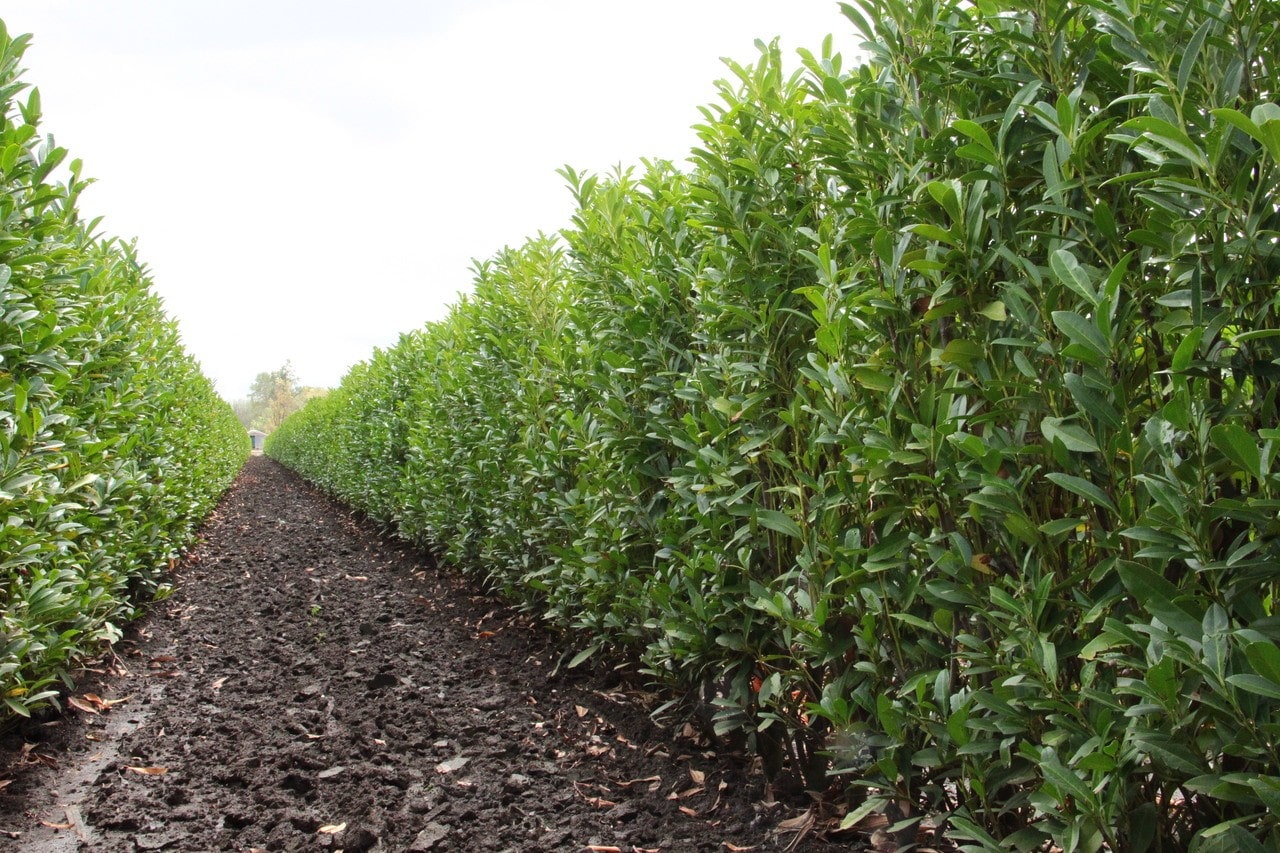
Schip Laurels are known for their moderate to fast growth rate and typically reach a height of 10 to 15 feet when fully mature. In ideal conditions, they can sometimes grow taller, but they are generally easy to maintain at desired heights through pruning. This height makes them perfect for creating privacy screens or hedges, as they offer dense foliage that can block noise, wind, and unwanted views.
How Wide Do Skip Laurels Get?
The width of a mature Schip Laurel shrub can range from 5 to 7 feet. This makes them ideal for narrow spaces where you need a dense, upright shrub that doesn’t spread too far outwards. The combination of height and width allows Schip Laurels to create a thick, natural barrier when planted in rows.
How Fast Do Skip Laurels Grow?
Schip Laurels have a moderate to fast growth rate, typically adding 12 to 24 inches per year under optimal conditions. This makes them one of the faster-growing hedge plants available, allowing you to establish a privacy screen or garden border relatively quickly. With proper care, your Schip Laurels can reach full height in just a few years.
How Far Apart to Plant Schip Laurel?
When planting Schip Laurels as a hedge, proper spacing is crucial to ensure they grow densely without overcrowding each other. The recommended spacing is about 4 to 6 feet apart. Planting them too close can lead to competition for nutrients and water, which can stunt their growth, while planting them too far apart may result in gaps in your hedge for several years.
For a formal hedge where you want the plants to grow together quickly to form a solid screen, planting them 4 feet apart is ideal. For a more natural, loose hedge, a spacing of 5 to 6 feet allows for a slightly more relaxed appearance while still providing good coverage.
How to Make Laurel Grow Faster
While Schip Laurels are naturally fast-growing, there are a few steps you can take to maximize their growth rate:
- Provide Full to Partial Sun: Schip Laurels grow best in full sun to partial shade. While they are tolerant of shade, more sunlight will encourage faster growth and denser foliage. Aim for at least 4-6 hours of sunlight per day.
- Water Regularly: Young Schip Laurels need regular watering to establish their root systems. Water them deeply once or twice a week during the first growing season. Once established, they are relatively drought-tolerant but will grow faster with consistent moisture.
- Mulch Around the Base: Applying a 2-3 inch layer of mulch around the base of the shrub helps retain soil moisture, regulate temperature, and prevent weeds from competing for nutrients. Keep the mulch a few inches away from the trunk to avoid rot.
- Fertilize: Use a balanced, slow-release fertilizer in the spring to provide essential nutrients for growth. A general-purpose 10-10-10 or 12-12-12 fertilizer is suitable. Avoid over-fertilizing, as it can lead to excessive foliage growth at the expense of root development.
- Prune Regularly: Pruning your Schip Laurels encourages denser growth by stimulating new shoots. Prune lightly in the spring or early summer to shape the plant and remove any dead or damaged branches. Avoid heavy pruning in late summer or fall, as this can encourage new growth that may be damaged by frost.
How to Plant Schip Laurel?

Proper planting is essential for your Schip Laurels to thrive. Here’s a step-by-step guide on how to plant them:
- Choose the Right Location: Schip Laurels grow best in well-drained soil and can adapt to a variety of soil types, including loamy, sandy, and clay soils. They prefer slightly acidic to neutral soil (pH 6.0 to 7.5). Choose a location that gets full sun to partial shade.
- Dig the Planting Hole: Dig a hole that is twice as wide and slightly deeper than the root ball of your laurel. This allows the roots to spread out more easily.
- Prepare the Soil: Amend the soil with organic matter such as compost or well-rotted manure to improve drainage and add nutrients. If the soil is heavy clay or poorly draining, consider planting in a raised bed or mound to prevent root rot.
- Plant the Laurel: Place the root ball in the hole, making sure the top of the root ball is level with the surrounding soil. Backfill the hole with soil, gently tamping it down to remove air pockets.
- Water Thoroughly: After planting, water the shrub deeply to help settle the soil around the roots. Continue to water regularly for the first year, especially during dry spells.
- Mulch: Apply a layer of mulch around the base of the plant to conserve moisture and suppress weeds. Keep the mulch a few inches away from the trunk to prevent rot.
- Staking (if needed): If you’re planting in a windy area or the laurel is top-heavy, you may need to stake the plant to help it establish upright growth.
Conclusion
Schip Laurels are an excellent choice for gardeners looking for a fast-growing, dense evergreen shrub that offers year-round beauty. With a height of 10 to 15 feet, a width of 5 to 7 feet, and a growth rate of 12 to 24 inches per year, these shrubs are perfect for creating privacy screens, hedges, or accent plants in the landscape. By spacing them properly (about 4 to 6 feet apart), providing adequate sun, water, and nutrients, and following proper planting techniques, you can ensure that your Schip Laurels grow quickly and healthily.
With the right care, your Schip Laurel hedge will provide you with lush, dense greenery for many years to come, whether as a natural fence or as a beautiful backdrop in your garden.