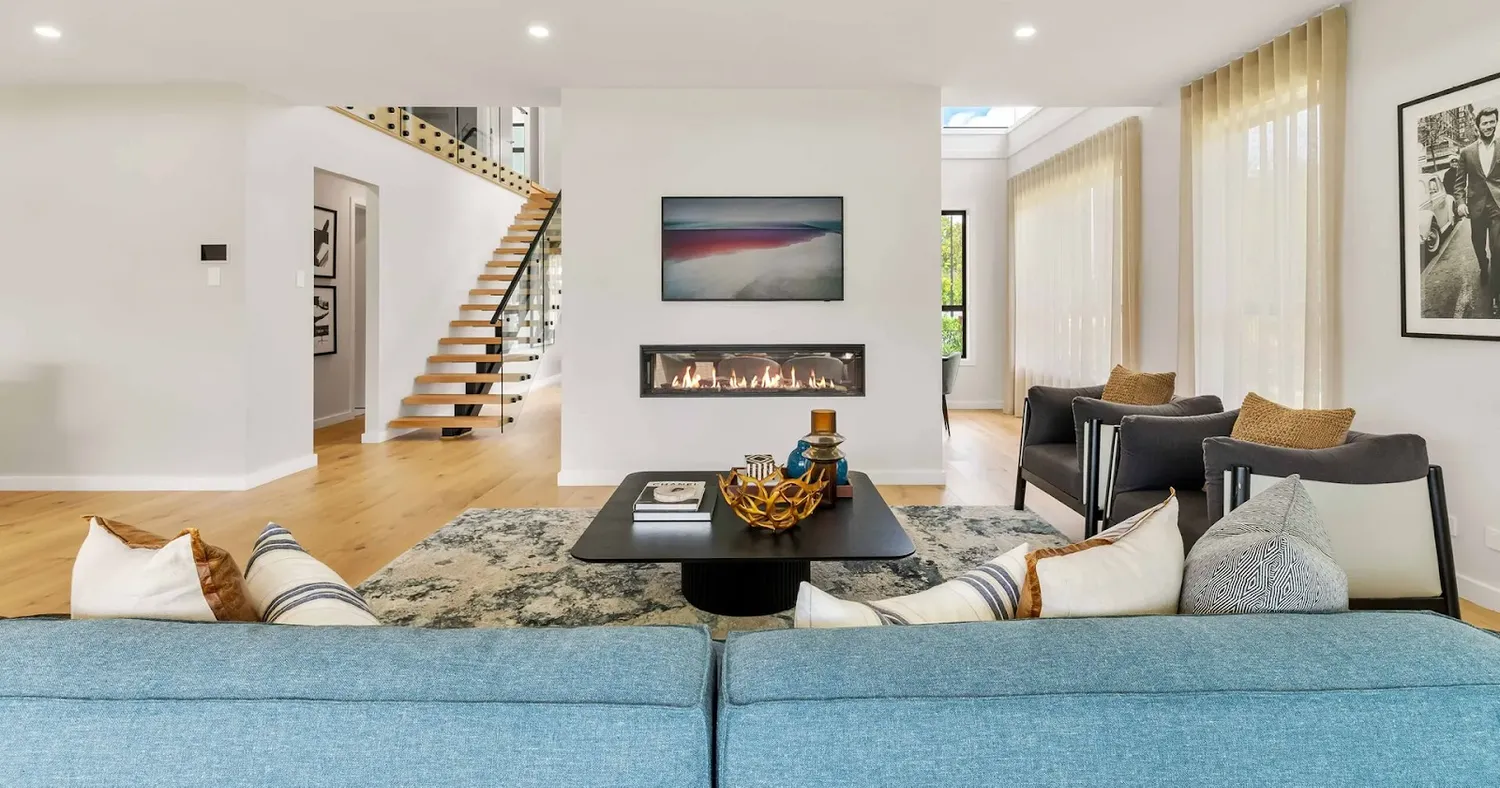
Living in a compact home can feel challenging at times, but the right design approach can completely transform how the space looks, feels, and functions. When every inch matters, thoughtful planning becomes more important than expensive décor. The goal is simple: create a home that feels open, calm, and welcoming, rather than cramped or cluttered. With the right layout choices, furniture selections, and finishing touches, even the smallest home can offer big comfort. In this guide, we will look at smart design strategies that truly work for small spaces and help you enjoy more room to live, relax, and breathe.
Start With Decluttering and Visual Lightness
One of the easiest ways to make a compact home feel bigger is to reduce visual noise. Too many items competing for attention will instantly shrink a room. Begin by removing anything that does not serve a purpose or bring joy. Aim to keep surfaces clear and storage areas organized. Visual lightness also comes from choosing décor that blends in rather than overwhelms. Lighter tones, soft textures, and simple silhouettes help the eye rest instead of constantly adjusting to bold contrasts. Open shelving with curated items, rather than every object displayed at once, preserves breathing room. This approach ensures the space feels intentional, not overcrowded.
Choose a Layout That Supports Flow
Furniture placement has a huge impact on how open or restricted a home feels. Avoid blocking pathways or placing bulky items near entrances. Instead, arrange furniture so there is a natural walking flow throughout the room. Floating a sofa slightly away from the wall can sometimes make a space appear larger than pushing everything to the edges. Consider multi-functional zones, such as a dining and working area combined. Using rugs to define zones keeps the layout organized without physical barriers. A thoughtful layout allows rooms to feel structured yet open, making daily movement effortless.
Use Light and Color Strategically
Light is one of the most powerful design tools in compact homes. Natural light instantly adds space, so keep window areas as open as possible. Lightweight curtains, sheer fabrics, and minimal window coverings are ideal. Mirrors multiply light and reflect depth, making rooms appear wider than they are. Color choices also matter. Neutral walls act as a calming backdrop while allowing accent colors to shine through accessories, cushions, or art pieces. Soft whites, warm beiges, and light grays create a spacious atmosphere without feeling sterile. When color is used, keep it cohesive across the home to avoid breaking up visual continuity.
Invest in Functional, Scaled Furniture
Oversized furniture can dominate a small room. Instead, choose pieces that fit the proportions of the space. Armless chairs, slim-profile sofas, and round tables create openness while providing full function. Multi-purpose furniture works especially well, such as ottomans with storage, nesting tables, or convertible desks. Raised-leg furniture exposes more floor, creating the illusion of size. Built-in storage or wall-mounted shelves help reduce clutter while keeping floor space clear. The key is to think about function first, then style. When each piece earns its place, the room stays balanced and comfortable.
Maximize Vertical and Hidden Storage
Storage is essential in compact homes, but it should never overwhelm the living area. Vertical solutions are ideal because they make use of wall height rather than floor space. Tall shelving, wall cabinets, hanging hooks, and pegboards help organize belongings efficiently. Hidden storage such as under-bed drawers, storage benches, or lift-top coffee tables keeps daily essentials close but unseen. The more streamlined the environment, the more peaceful it feels. A clean home instantly feels larger than one filled with visible items.
Add Warmth Through Texture and Personal Touches
A space that is small can still feel luxurious and inviting. Comfort comes from layered textures, thoughtful lighting, and meaningful décor. Soft rugs, throws, warm lighting, and natural materials create a cosy atmosphere without adding bulk. Rather than filling rooms with decorative objects, select a few personal items that truly matter. Plants are especially effective because they bring life and freshness without demanding much space. The goal is to achieve warmth through quality rather than quantity.
Keep Design Simple and Intentional
One of the biggest mistakes in small-space design is trying to include too much. Simplicity allows each detail to stand out. When decorating, ask whether each item contributes to beauty, comfort, or function. If it doesn’t, consider removing it. This approach creates harmony and ensures the home feels curated instead of crowded. Clean lines, calm colors, and balanced proportions create a timeless look that feels both elegant and practical.
Final Thoughts
Compact homes do not have to feel restrictive. With the right design choices, they can become some of the most efficient, stylish, and comfortable living spaces. The key is to plan intentionally, minimize clutter, and choose furniture and décor that support both beauty and function. When you adopt a thoughtful approach, every corner becomes useful, every surface has purpose, and the entire home feels open rather than confined. Living small can actually encourage smarter choices, calmer surroundings, and a lifestyle built around what truly matters. By applying these smart design ideas, you can create a space that feels bigger, brighter, and more welcoming every single day.