Selecting the right roofing material is one of the most important decisions a homeowner can make, as it affects durability, comfort, and long-term costs. A roof is not just a protective shell; it also contributes significantly to a home’s appearance and value. With so many materials available, the selection process can feel overwhelming. Each option offers different advantages depending on climate, budget, and personal priorities. Homeowners should consider both immediate needs and future performance. A thoughtful choice can reduce maintenance worries and improve energy efficiency. Understanding key factors will help narrow the options and lead to a confident decision.
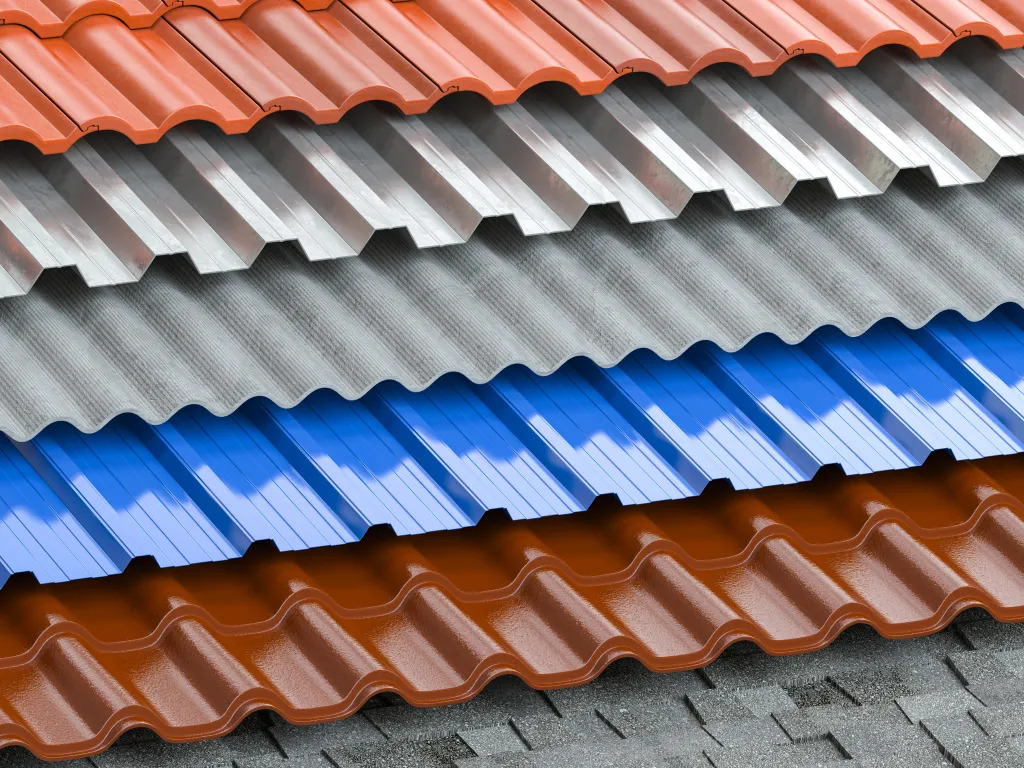
Understanding Climate and Weather Conditions
Local climate plays a crucial role in determining the most suitable roofing material. Homes in areas with heavy rainfall or snow require materials that resist moisture and prevent leaks. In regions prone to intense sunlight and heat, materials that reflect heat and resist cracking perform better. Wind resistance is also essential in storm-prone locations, as poorly suited roofs may suffer damage or lifting. Evaluating how a material handles temperature swings, humidity, and extreme weather ensures better performance. Choosing with climate in mind can significantly extend the life of the roof.
Balancing Budget and Longevity
Budget considerations often guide roofing decisions, but upfront cost should not be the only factor. Some materials are more affordable initially yet require frequent repairs or earlier replacement. Others may cost more at installation but last decades with minimal upkeep. Homeowners should assess the total cost over the roof’s lifespan rather than focusing solely on installation expenses. Factoring in maintenance, repairs, and replacement timelines helps determine true value. A balanced approach ensures financial comfort both now and in the future.
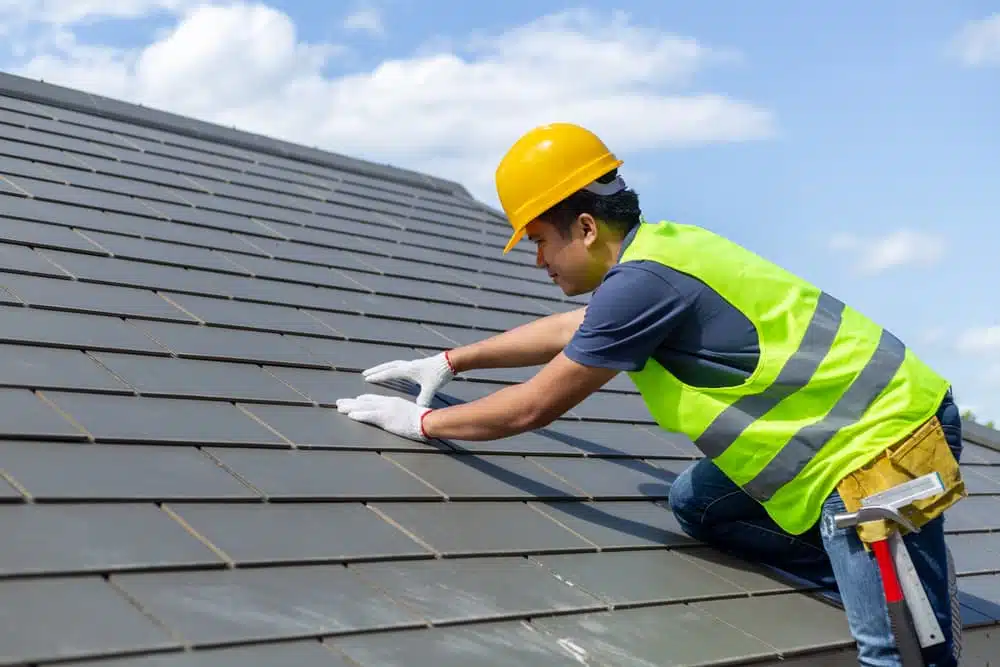
Matching Aesthetics and Architectural Style
A roof should complement the overall design of the home. Different materials offer varied textures, colors, and profiles that can enhance curb appeal. Traditional homes often benefit from classic styles, while modern architecture may suit sleek, minimal designs. The roof’s appearance can influence resale value and neighborhood harmony. Selecting a material that aligns with architectural features creates a cohesive look. Visual appeal should work hand in hand with performance considerations.
Considering Energy Efficiency and Insulation
Roofing materials can impact indoor comfort and energy bills. Some options reflect sunlight, reducing heat absorption and keeping interiors cooler during warmer months. Others provide better insulation, helping retain heat in colder seasons. Improved energy efficiency can lower heating and cooling costs over time. Homeowners should consider how a roofing choice supports year-round comfort. An energy-conscious decision benefits both the household budget and overall living experience. Click on this page to know more about roofing.
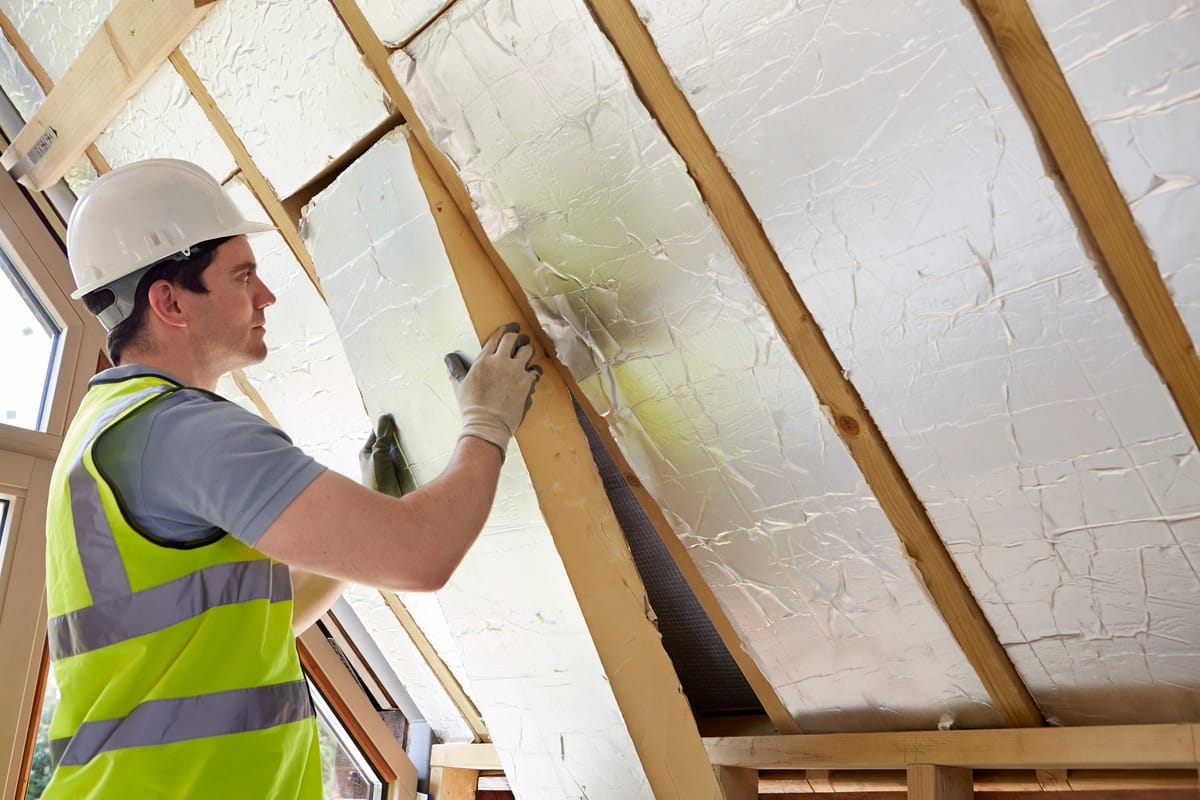
Installation, Maintenance, and Durability
The complexity of installation varies among roofing materials and can affect labor costs and timelines. Some roofs require specialized skills, while others are simpler to install. Maintenance needs also differ, ranging from occasional inspections to regular cleaning and repairs. Durable materials withstand wear and tear with minimal attention, offering peace of mind. Understanding maintenance expectations helps homeowners prepare for long-term care. A reliable roof should fit comfortably into a homeowner’s lifestyle.
Sustainability and Local Regulations
Environmental impact is an increasingly important factor in roofing selection. Some materials are recyclable or made from sustainable resources, reducing environmental footprint. Additionally, local building codes and homeowner association rules may limit certain options. Checking regulations early prevents costly changes later. Choosing a compliant and eco-conscious material supports responsible homeownership. Sustainability and legality should be part of the decision-making process.
Selecting the perfect roofing material requires careful evaluation of climate, budget, style, efficiency, and regulations. By weighing these factors thoughtfully, homeowners can choose a roof that protects their investment and enhances daily living for years to come.