Solar water heating is an environmentally friendly and cost-effective way to produce hot water for homes and businesses. By harnessing the power of the sun, solar water heating systems reduce dependence on traditional energy sources like natural gas or electricity. These systems consist of solar thermal collectors that capture solar radiation and convert it into heat. This heat is then transferred to water, providing an alternative to conventional water heating methods. With the rising cost of energy and growing environmental concerns, solar water heating is becoming an increasingly popular choice for homeowners and businesses alike. In this article, we will explore how solar thermal collectors work and the benefits they offer in terms of energy efficiency and cost savings.
What Are Solar Thermal Collectors?
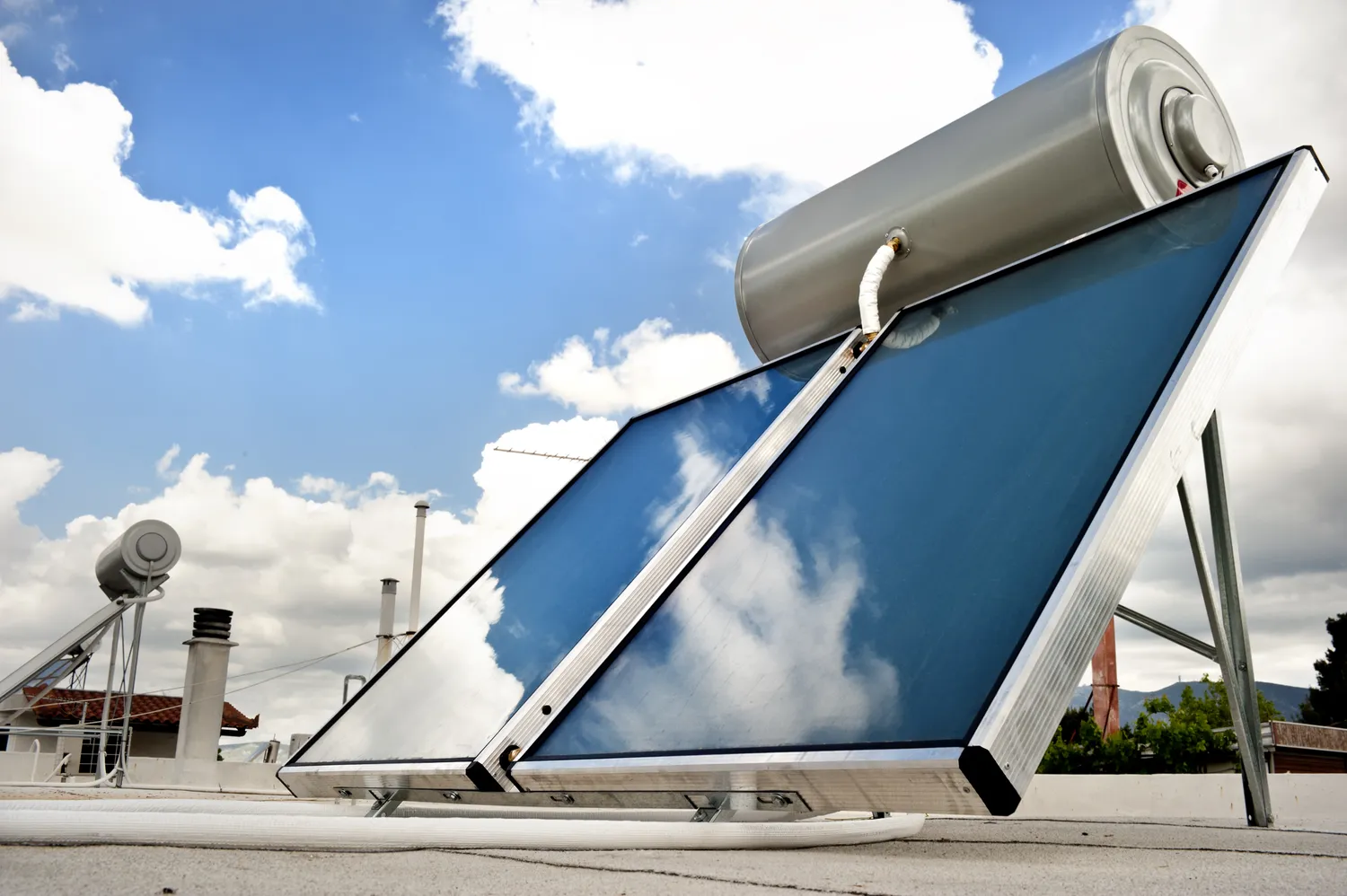
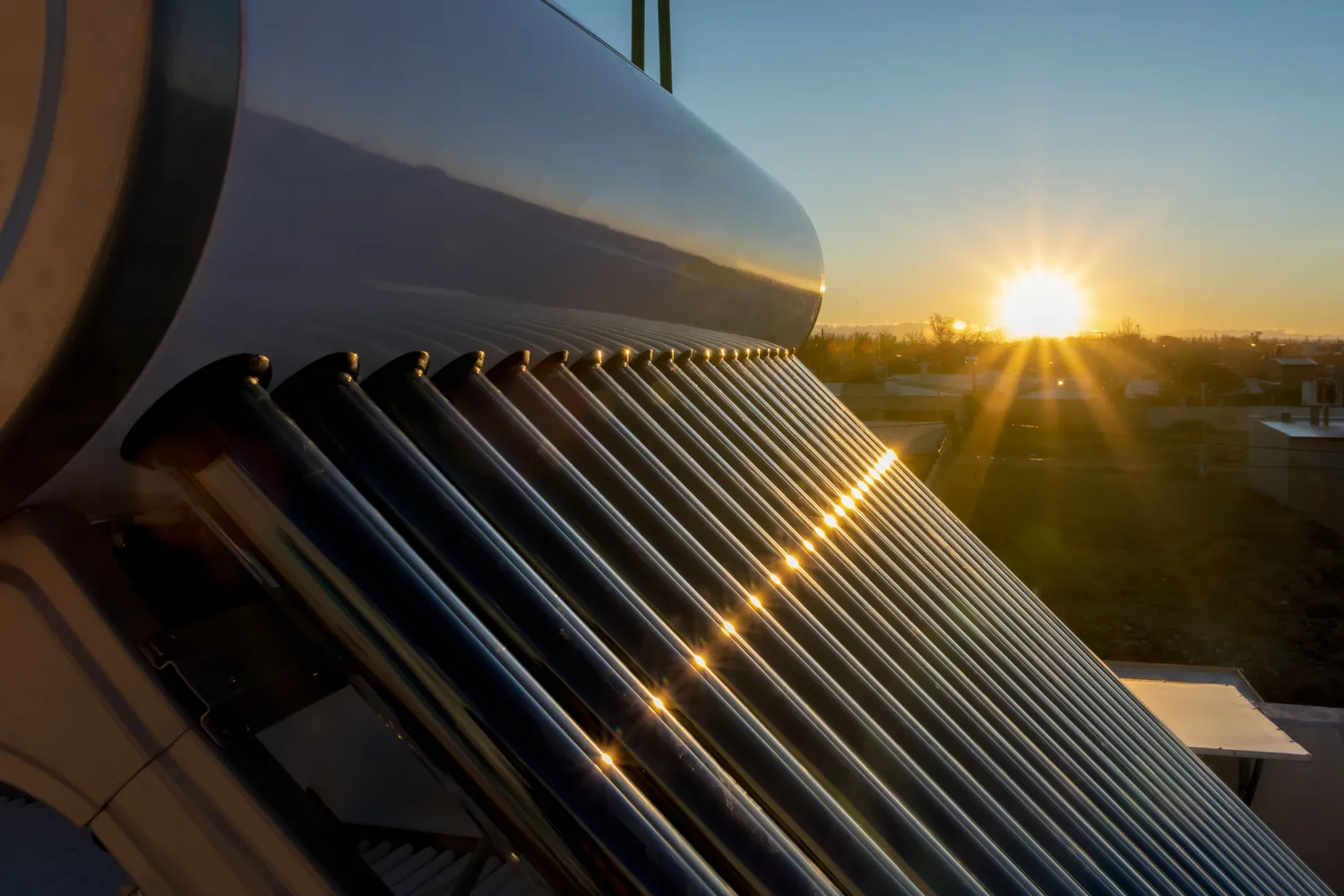
Solar thermal collectors are the heart of a solar water heating system. These devices are designed to absorb sunlight and convert it into heat, which is then transferred to water or another fluid circulating within the system. There are different types of solar thermal collectors, but the most common are flat-plate collectors and evacuated tube collectors. Flat-plate collectors consist of a flat, insulated box with a dark-colored absorber plate inside. This plate absorbs sunlight and heats up, transferring the heat to water or a heat-transfer fluid flowing through tubes attached to it. Evacuated tube collectors, on the other hand, use a series of glass tubes that are evacuated of air to create a vacuum. The vacuum helps to reduce heat loss, making them more efficient in cooler climates. Check out here to know more about solar collectors.
How Solar Water Heating Works
The process of solar water heating begins when sunlight hits the solar collectors. As the absorber plates or tubes heat up, they transfer this heat to the fluid circulating within them. This fluid could be either water or a special anti-freeze solution, depending on the climate and system design. The heated fluid is then transported through pipes to a storage tank, where the heat is transferred to the water. The water in the tank remains hot until it is needed for use, such as for bathing, cooking, or cleaning. Some systems are designed with a heat exchanger to prevent the fluid from coming into direct contact with the water, ensuring that only the heat is transferred.
Types of Solar Water Heating Systems
There are two main types of solar water heating systems: active and passive. Active systems rely on pumps to circulate the fluid through the collectors and storage tank. These pumps are powered by electricity, often from the grid or, ideally, from the solar system itself. Active systems are more efficient and can be used in a wider range of climates and applications. On the other hand, passive systems do not require pumps. Instead, they rely on natural convection to circulate the fluid. Passive systems are simpler and less expensive to install but may not be as efficient, particularly in colder climates where water circulation is slower.
Benefits of Solar Water Heating
One of the biggest advantages of solar water heating is its ability to reduce energy bills. By using the sun as a free source of energy, homeowners can significantly cut down on their reliance on electricity or gas for water heating. This can result in savings on energy bills over time, especially in areas with abundant sunlight. Solar water heating is also a clean energy solution. Since it does not burn fossil fuels, it produces no greenhouse gas emissions, making it an environmentally friendly choice. Additionally, solar water heaters have a long lifespan and require minimal maintenance, making them a durable and low-maintenance investment.
Factors to Consider When Installing a Solar Water Heating System
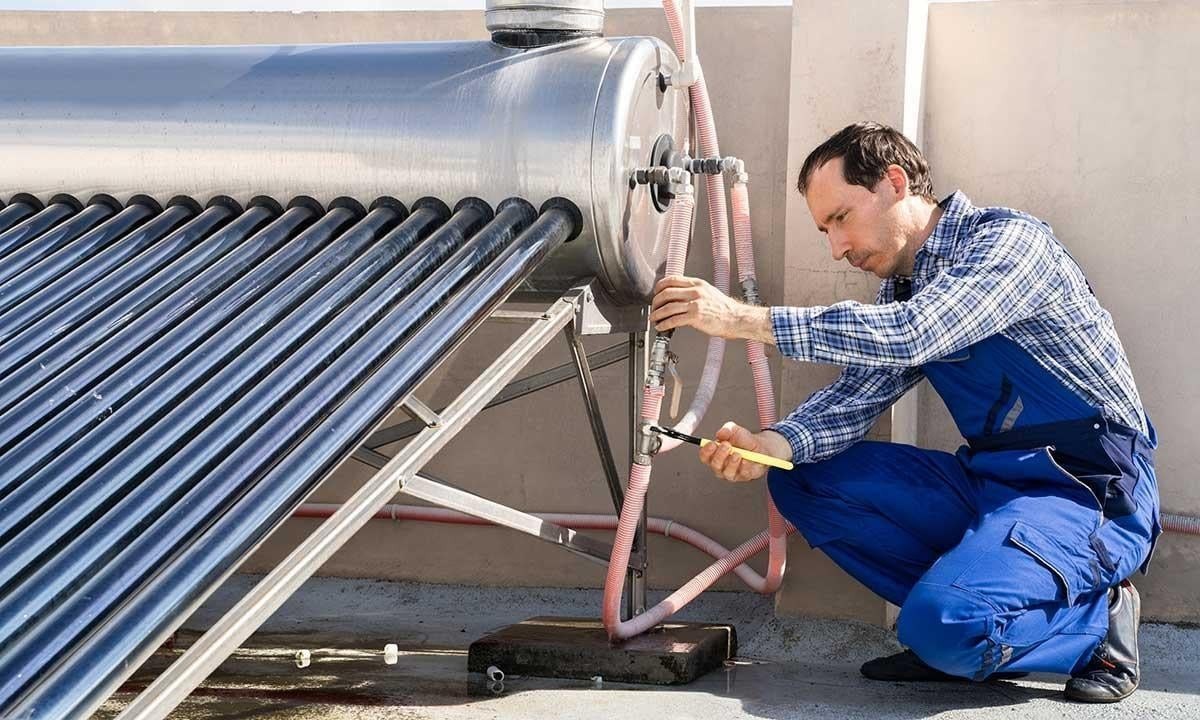
While solar water heating offers numerous benefits, there are a few factors to consider before installation. First, the system’s efficiency is dependent on the amount of sunlight available in your location. Areas with frequent cloud cover or long winters may not get enough solar radiation to make the system cost-effective. Roof orientation and tilt angle are also important factors to ensure the collectors receive optimal sunlight exposure. Furthermore, solar water heating systems require sufficient roof space for installation, which may not be available in every home. Finally, while the initial installation costs can be higher than traditional water heating systems, the long-term savings and environmental benefits typically outweigh these upfront expenses.
Conclusion
Solar water heating is a powerful tool for reducing energy consumption and saving money. By using solar thermal collectors to capture and convert sunlight into heat, these systems provide an efficient and sustainable way to meet your hot water needs. Whether through passive or active systems, solar water heaters can help reduce your carbon footprint and contribute to long-term energy savings. As technology continues to improve and the demand for renewable energy grows, solar water heating is poised to become an even more vital part of sustainable energy solutions for homes and businesses around the world.