If you've ever dealt with money matters like credit cards or loans, you've likely come across the term 'credit score.' It's important to manage your money and achieve your financial goals. Whether you're new to Canada, just starting with credit, or trying to figure out why your credit isn't great, this guide has got you covered.
What is a Credit Score?
A credit score is like a report card for your financial trustworthiness. It's a three-digit number that ranges from around 300 to 900. The higher the number, the better. This number tells banks, lenders, and sometimes even employers how reliable you are with money. It's calculated by looking at your financial history, especially how you've handled credit in the past.
In Canada, two main companies, Equifax and TransUnion, keep track of your credit score. They might give you slightly different numbers because they use different methods to calculate them.
Why Does My Credit Score Matter?
Your credit score is super important in personal finance. When you want a loan for a car, house, or anything else, your credit score plays a big role in whether you'll get it or not. Lenders always check your credit score before lending you money.
If your credit score is high, things become much easier. You get lower interest rates, better terms, and faster approval. This means you can achieve your financial goals more quickly and with less trouble.
What's a Good Credit Score?
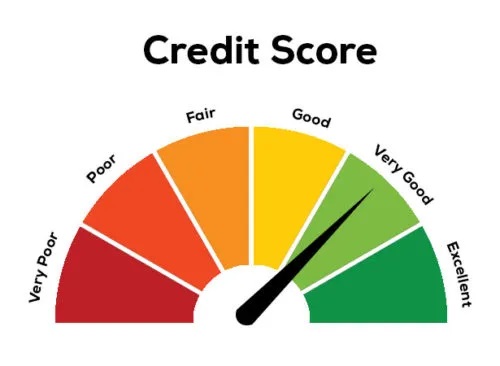
Equifax says a credit score between 660 and 724 is considered good. But there are different levels within the 300 to 900 range:
- 300 to 559: Poor
- 560 to 659: Fair
- 660 to 724: Good
- 725 to 759: Very Good
- 760 to 900: Excellent
Remember, different lenders might have slightly different opinions on what's a good or bad credit score. Banks, for instance, can be stricter than other lenders.
Taking Care of Your Credit Score
Knowing your credit score and how it works is crucial if you're planning to borrow money. Regularly check your credit report for mistakes or incorrect information. Sites can help you do this for free. If you find any mistakes, let the credit bureau know so they can fix them.
The five factors determining your credit score are all about managing your money. If your score isn't great, start by learning some basic money management and budgeting skills. There are quick ways to improve your credit score, but the most important thing is to stick to good financial habits over time.
Understanding your credit score is like having a superpower in the world of money. It helps you make smarter decisions and get closer to your financial dreams! Visit Auto Approvers for more details.