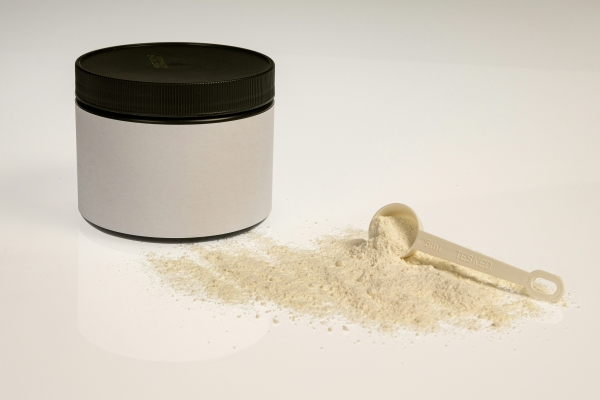
Electrolytes are essential minerals for humans as they help regulate critical functions in the body. Some of the most important minerals are potassium, calcium and magnesium. These minerals control hydration levels, enable muscle contractions, support nerve signaling and maintain proper pH balance. Most people, even me for the longest time, associate electrolyte imbalances with athletes and intense workouts. But that is a dangerous piece of misinformation, because an electrolyte beverage can be very helpful even if you are not a professional athlete. In this article, we are going to look at the benefits of using electrolytes powder, but also at the signs that you are low on electrolytes.
Low Energy and Persistent Fatigue
One of the first signs that you are low on electrolytes is that you are constantly feeling tired and without energy, even after a full night of quality sleep. Potassium and sodium are two of the minerals that regulate fluid balance inside and outside your cells; therefore, it has a direct effect on oxygen delivery and circulation. Moreover, magnesium also plays a role in energy production. So, as you can imagine, if the levels of these minerals are low, so is the way you are feeling.
It’s essential not to blame electrolytes when you are feeling tired because of a lack of sleep. Electrolyte-related fatigue is persistent and heavy, no matter how much rest you get. You might also notice that you find it difficult to concentrate, or just a feeling that your mind is slower than usual. The first thing you want to do is to assess your hydration levels. If you have been sweating a lot, been under intense stress or have been travelling, consider adding some electrolytes powder to your water to regulate your levels.
You Experience Muscle Cramps and Weakness
Many people start asking some questions when they experience muscle cramps. Potassium, sodium, magnesium and calcium play important roles in muscle relaxation and contraction. If their levels drop drastically, as it happens when you sweat excessively, the muscles start tightening involuntarily, or start feeling weak and shaky. During or after physical activities, muscle cramps can often appear. But they can also appear if you are sitting for a long time and not hydrated properly. Muscle cramps can go away on their own, but they can also wake you from your sleep.
In a case like this, a rehydration process is necessary as soon as you can start it. You should focus on potassium, sodium and magnesium. There are electrolytes powder options, or at least one electrolyte beverage option, to provide these minerals for you. Magnesium is great to relax muscles, so it will be great in your battle with muscle cramps. If cramps persist despite hydration, you should review your daily fluid intake and even your diet. Chronic low intake of mineral-rich foods can contribute to recurring issues. And if even after all of these, the problems continue, you should consider talking to a professional.
Dizziness and Headaches
Dizziness and lightheadedness are two of the most clear signals that your electrolytes intake is not exactly good. An electrolyte beverage can really help regulate your electrolytes levels. Sodium helps regulate blood volume and pressure, while potassium supports proper nerve signaling. If the levels get too low, the blood pressure drops and dizziness sets in. This happens especially after sweating, vomiting and excessive water intake. In order to identify a headache that’s caused by dehydration, know that these are some of the common elements of it:
- Dull and non-throbbing pain
- No nausea or light sensitivity
- Accompanied by dehydration symptoms (thirst or a dry mouth)
- Discomfort in the neck
- Generalized pain (pain that you feel all around the head)
- Pain that intensifies with movement
Your fastest and safest solution is to focus on hydration. I know that the first instinct is to start drinking a lot of plain water, but it’s not going to do the trick. Add some electrolytes powder to the water and it will be of great help with the headache or dizziness you are experiencing. Try to sip slowly and monitor your progress over half an hour, or even an hour. Pair the rehydration process with a snack too, as that will help rebalance the blood sugar levels, which leads to a quicker recuperation.
Tingling Sensation or Irregular Heartbeats
These are symptoms that most people don’t know are related to electrolytes imbalance. While it’s true that they are not as common, they still happen and it’s worth knowing about them. Electrolyte depletion can affect nerve function and the heart rhythm. When these levels drop significantly, you may feel heart palpitations, fluttering sensations, or even some mild chest discomfort. When calcium and magnesium are low, you might start to feel some tingling in the feet, hands and lips. If the imbalance is only mild, these symptoms will be temporary. But if the imbalance continues, the problem can become more serious.
If you experience mild palpitations after heavy sweating or dehydration, rehydrating with an electrolyte beverage may help normalize levels. Do not jump directly to a very high dosage, choose something balanced. Try to prioritize resting in a cooler and darker place. Studies show that sleeping in a cold room results in a higher quality of sleep. However, it’s essential to keep in mind that irregular heartbeats and constant chest pains that are constant require medical attention.
Conclusion
Whether you prefer to add some electrolytes powder to your plain water, or simply buy an electrolyte beverage, know that it can help you with some of the symptoms we mentioned. To tell you the truth, I wasn’t aware that the tingling sensations we sometimes feel can be caused by an electrolyte imbalance. The body is very complex and complicated and needs many elements to work as efficiently as possible; and sometimes, the tiniest element can make the biggest difference. Don’t ignore your hydration levels and provide your body with the minerals it needs.