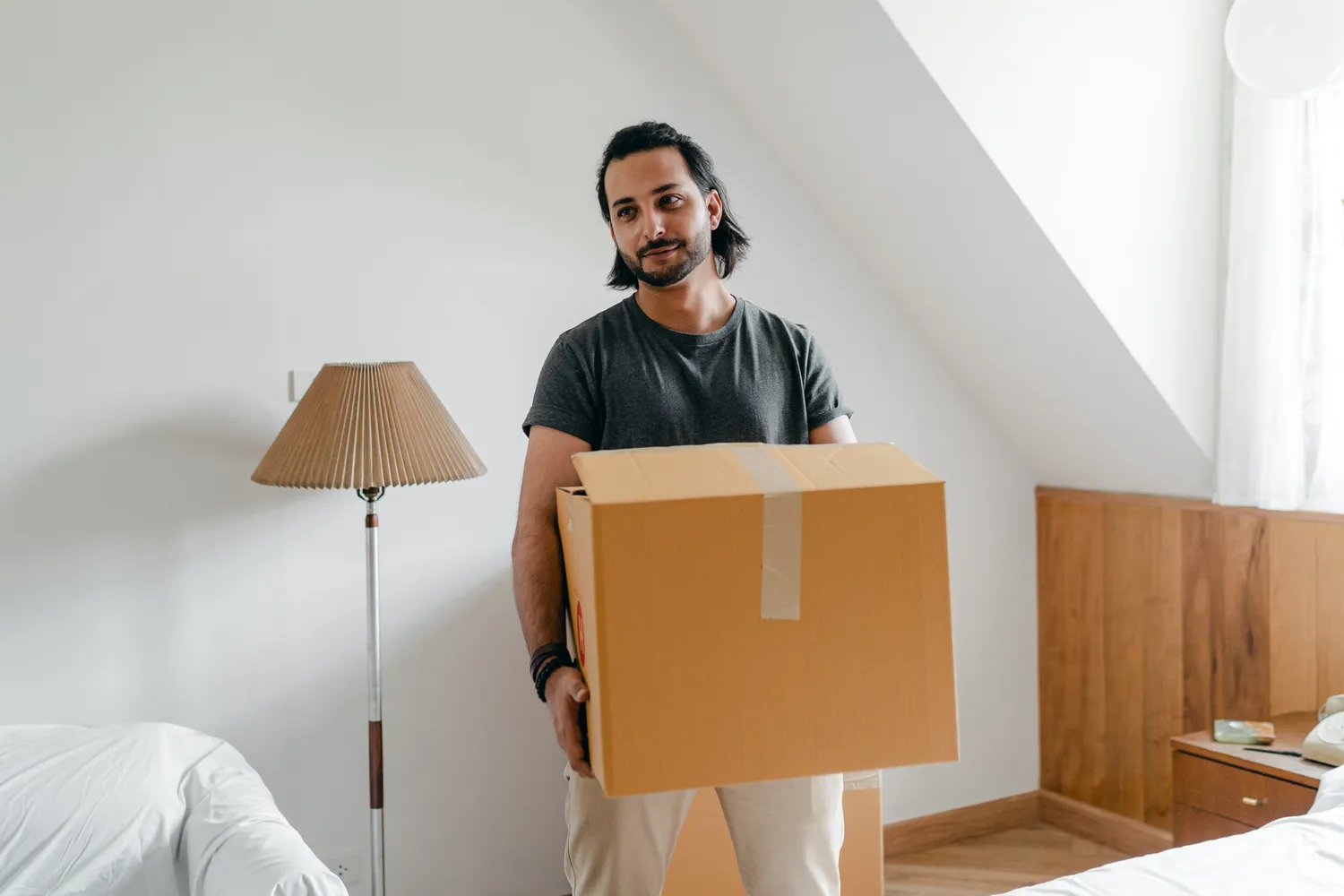
Moving is one of life's most stressful events, and the challenges can be magnified when you do it alone. Whether for a new job, a fresh start, or any other reason, relocating alone can be an overwhelming experience. However, moving solo can be manageable and rewarding with proper planning and a clear strategy. Embrace the journey, and you can discover the hidden joys of independence and the thrill of creating your own path, turning your move into the adventure of a lifetime!
Key Considerations to Ensure a Successful Solo Move
1. Plan Ahead
Moving solo is a significant undertaking, so it's crucial to start planning well in advance. Create a detailed moving checklist outlining tasks, deadlines, and necessary supplies. This proactive approach will reduce anxiety and help you stay organized, ensuring a smoother transition to your new home. Whether booking a moving company or setting up utilities, a well-thought-out plan is your best ally.
2. Declutter Before Packing
Take advantage of your move to declutter and downsize your belongings. The less you have to move, the easier the process becomes. As you go through your possessions, consider whether each item is essential or if it's time to let it go. Donate, sell, or discard items you no longer need to streamline your move and create a fresh start in your new space.
3. Packing Supplies
Gathering high-quality packing supplies is essential for the safety of your belongings during the move. Invest in sturdy boxes, bubble wrap, packing tape, and packing paper. These materials will provide the necessary protection to prevent damage during transit, ensuring your possessions arrive at your new home in good condition.
4. Pack an Essentials Box
Packing a separate essentials box is a lifesaver during the initial days in your new home. Include toiletries, a change of clothes, important documents (like your lease or mortgage papers), and basic kitchen supplies. This box ensures immediate access to necessities without rummaging through numerous boxes as soon as you arrive.
5. Seek Professional Help
Moving solo doesn't mean you have to handle everything on your own. Consider hiring professional movers to take care of the heavy lifting and transportation. Their expertise can alleviate much of the physical strain associated with moving, leaving you with more energy and focus for other crucial tasks.
6. Research Your New Area
Before you move, research your new neighborhood or city. Identify the nearest grocery stores, medical facilities, and other essential services. This knowledge will ease your transition and help you feel more at home in your new surroundings.
7. Notify Service Providers
It's essential to inform utility companies, postal services, and other relevant institutions about your change of address. Set up utility services in your new home well before your arrival to ensure a smooth transition. This proactive approach helps you avoid any service interruptions.
8. Maintain a Support System
While you may be moving alone, it's crucial to maintain a support system. Keep your friends and family informed about your move, and establish a communication plan for the transition period. Knowing that you have a network of people who care about your well-being can provide emotional support during the sometimes challenging process of moving solo.
9. Rent a Storage Unit
If your new home isn't ready for occupancy or you're downsizing, consider renting a storage unit for temporary storage. It provides a secure location for your belongings during the transition, reducing clutter and protecting your possessions.
10. Take Breaks and Self-Care
Moving can be physically and emotionally draining, so remember to take regular breaks. Stay hydrated, maintain a balanced diet, and get enough rest to ensure you're physically and mentally prepared to handle the challenges of the move. Self-care is essential to keep your well-being intact throughout this process.
11. Budget Wisely
Creating a detailed budget that encompasses all moving expenses is a crucial step. This should include costs for packing materials, professional services, and travel expenses. Sticking to your budget will help you stay financially responsible and prevent unexpected financial stress that could disrupt your move.
12. Get Proper Insurance
Moving insurance is a wise investment when relocating. Moving insurance protects your belongings in case of damage or loss during the move. While you hope for a smooth transition, having insurance in place offers peace of mind and financial protection if unexpected incidents occur.
13. Safety Measures
Staying vigilant and prioritizing your safety is of utmost importance. Share your moving plans with a trusted friend or family member and keep them updated on your progress. Additionally, avoid disclosing specific details about your move to strangers to maintain your security throughout the process.
A chance for personal growth
Moving solo can be challenging but also a chance for personal growth and a new chapter in your life. With these essential tips and careful planning, you can make your solo move a successful and fulfilling experience. Remember that you are in control of your journey, and by taking the right steps, you can confidently navigate the path to your new home.