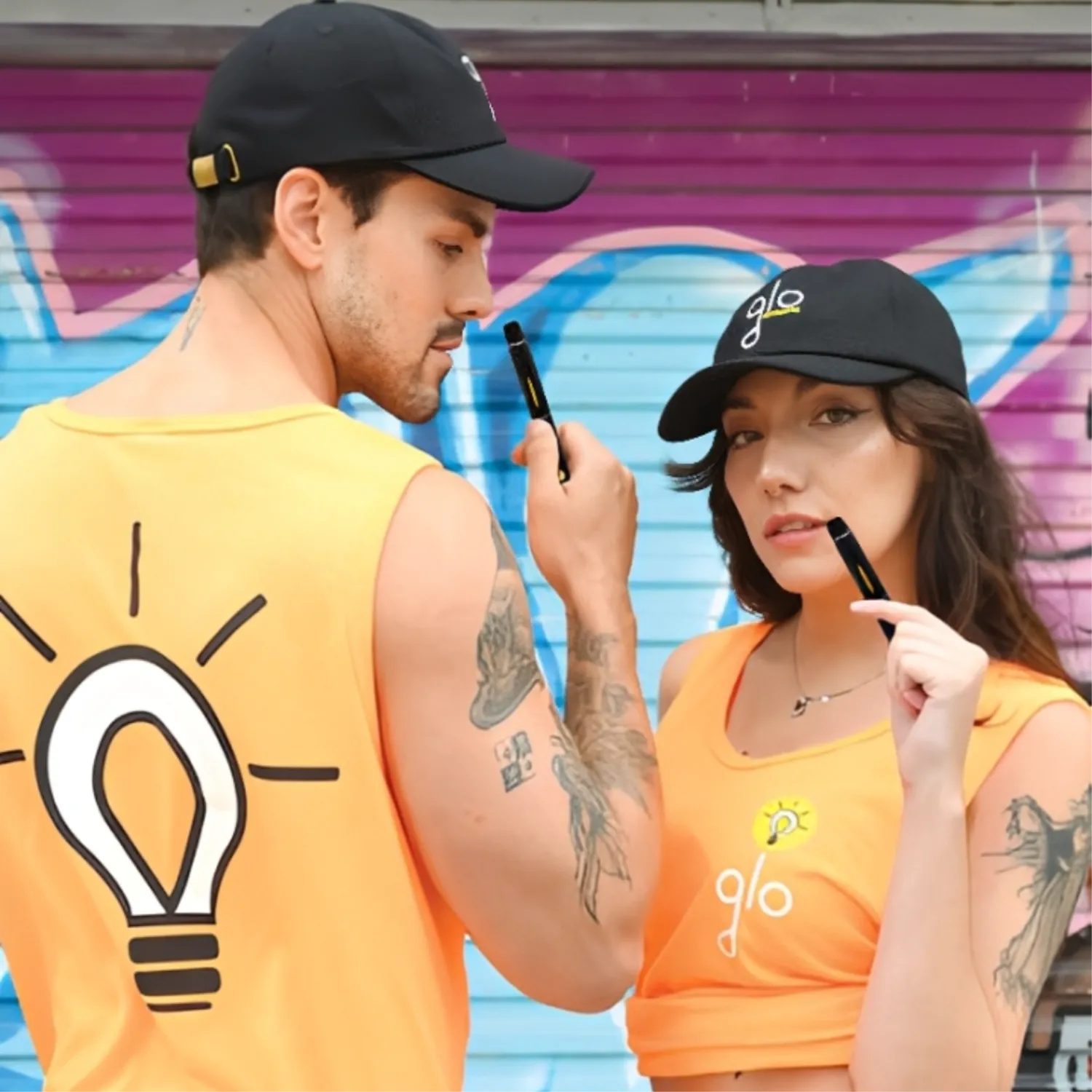
“This article explores why consumers struggle to distinguish real Glo carts from dangerous counterfeits. It highlights how sophisticated packaging, fake QR codes and unregulated gray markets mask the presence of harmful additives like Vitamin E acetate and pesticides in street-filled hardware.”
The cannabis vape market is currently a mess and Glo Extracts sits right at the center of the chaos. If you’ve spent any time looking for a cartridge, you’ve seen the bright holographic boxes and the massive flavor lists. But there’s a significant gap between what people think they’re buying and what’s actually inside the glass.
The real problem isn't just fakes it's that the real ones already operate in a legal gray area. Most people check for a high, look at the oil's thickness and call it a day. In reality, those are the easiest things for a counterfeiter to mimic. Here’s why the line between Glo carts real vs fake has become almost invisible to the average consumer.
The Ghost Brand Problem
To understand why it’s so hard to spot a fake, you have to realize that Glo isn't a store brand. You won't find them at a licensed, state-regulated dispensary next to compliant names like 710 Labs or Connected. Glo is what the industry calls a gray market brand.
This creates a massive loophole. Since there’s no government regulated version sitting on a shelf with a state mandated tracking sticker, anyone can claim their version is the original. When a brand lives in the shadows, every copycat looks like a twin. Without a central legal authority to point to, the definition of authentic becomes whatever the seller tells you it is.
The Truth About Real vs. Fake
When people argue about Glo carts real vs fake, they’re usually talking about two different manufacturing sources:
When people argue about Glo carts real vs fake, they’re usually talking about two different manufacturing sources. For a deeper breakdown of how the brand itself explains this distinction, see this detailed guide on Glo Extracts real vs fake.
- Central Source: These are cartridges filled by the actual, original Glo Extracts group. They generally use specific terpenes and higher-quality distillate.
- Open-Source Packaging: These are empty boxes and glass hardware bought for pennies on sites like DHgate or Alibaba. Local plugs are then filled with random oil in a basement or garage.
The packaging is often identical. The hardware is often identical. The only true difference is the oil's chemistry, which you cannot see with the naked eye until it's already in your lungs.
Why Your Eyes Are Lying to You
Counterfeiters have moved way past cheap-looking fakes. They’ve mastered the art of first impressions, focusing entirely on the box's shelf appeal.
- The Box Trap: Modern fake Glo boxes use magnetic lids, high-end holographic foil and perfect printing. It looks professional because professional printing is cheap when ordered in bulk. Most buyers assume a nice box equals a clean product, but counterfeiters spend more money on the cardboard than on the oil.
- The QR Code Scam: This is the most effective trick in the book. You scan a code and it takes you to a Verification page. However, you must look at the URL. If it is not the official site, you are looking at a clone site set up by the counterfeiters specifically to tell you that their fake product is Verified.
The Chemistry of the Street Cart
If the box looks perfect, why does the authenticity matter? It matters because of what's added to the oil to save money. In a regulated lab, oil is cleaned of pesticides and heavy metals. In a garage-filled Glo cartridge, you’re often getting thickeners like Vitamin E Acetate.
This was the main culprit behind the EVALI lung crisis. It makes thin, weak oil look thick and high-quality, but it is devastating to your respiratory system. Beyond the oil, you also run the risk of inhaling lead or arsenic from the cheap, unbranded metal heating elements used in counterfeit hardware that hasn't been safety-tested.
Red Flags You Might Be Ignoring
It’s tough to be 100% sure without a laboratory, but there are some dead giveaways that your Glo cartridge isn't from the central source:
- The Price Check: If a dealer is offering you 10 for $150, it is undoubtedly a fake. Quality distillate and real terpenes cost money. No one is selling a legitimate, high-potency product at a loss.
- Flavor Inventories: Glo usually releases specific seasonal editions. If your seller has flavors that don't exist on the official brand's menu, or they have 50 different flavors in stock at once, they likely bought a variety pack of empty boxes and filled them all with the same mystery oil.
- Hardware Logos: Genuine central-source carts usually have a small G or Glo engraved on the metal base near the threads. Most cheap fakes skip this because the extra manufacturing step cuts into their profit margins.
The It Gets Me High Fallacy
The most common argument for these carts is: It gets me high, so it must be real. This is dangerous logic. Synthetic cannabinoids often called K2 or Spice or low grade distillate mixed with hot terpenes can get you high, but that does not mean they are safe.
A high isn't a lab test. Getting high on oil that contains pesticides or residual solvents like butane is a shortcut to long-term health issues. Just because the effects feel familiar doesn't mean the chemical makeup is clean.
The Psychology of Consumer Trust

Why do people continue to buy them? It’s a mix of brand recognition and convenience. Glo has built a massive social media presence that makes it feel like a legitimate household name. Because people see the logo everywhere, they lower their guard. Counterfeiters capitalize on this fame to push untested products into the hands of people who just want a convenient way to vape.
Conclusion
The reason you can’t tell the difference between Glo carts real vs fake is that the counterfeiters are working harder than the actual brands. They know exactly what you’re looking for the box, the bubble, the QR code and they have figured out how to fake all of it for less than five dollars a unit.
If a cartridge doesn't come with a Full Panel Certificate of Analysis that you can verify through a legitimate, third-party lab, you are taking a massive risk. In this market, a real box doesn't guarantee a real product. The only way to be certain is to move away from the gray market and prioritize your health over a recognizable logo.