Soft furnishings add comfort, warmth, and aesthetic appeal to our homes. However, they also face constant exposure to dust, spills, and wear, requiring regular maintenance to keep them looking and smelling fresh. This comprehensive guide offers practical advice on maintaining your soft furnishings, extending their lifespan, and ensuring they remain as inviting as the day you brought them home.
Getting to Know Your Soft Furnishings
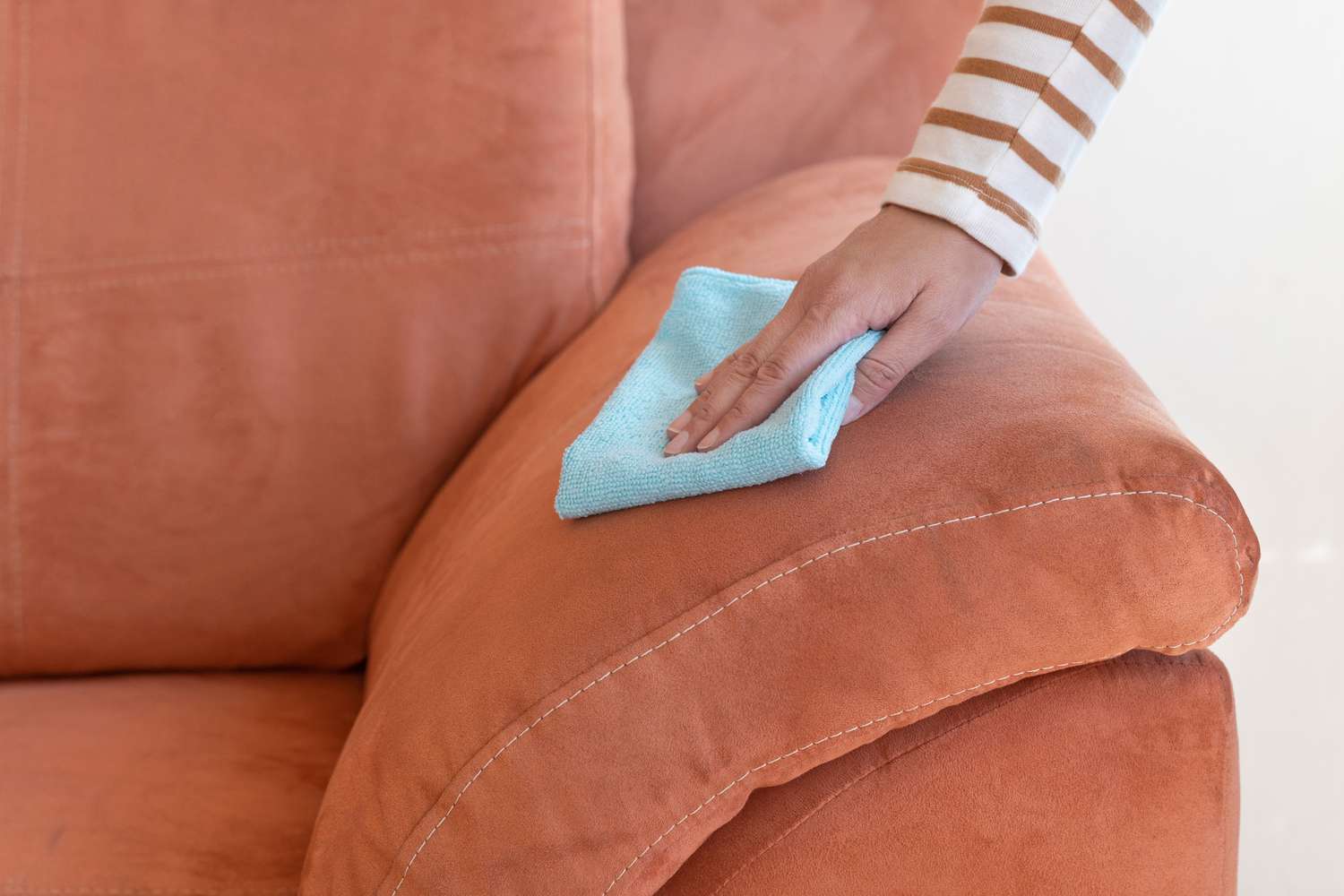
The first step in effective maintenance is understanding the materials you’re dealing with. Soft furnishings include a broad range of items, such as sofas, curtains, cushions, and carpets, made from various fabrics like cotton, linen, wool, silk, and synthetic blends. Each material has unique properties and care requirements. For example, silk is delicate and often requires professional cleaning, whereas cotton is more resilient and can typically withstand home washing.
The Basics of Everyday Care
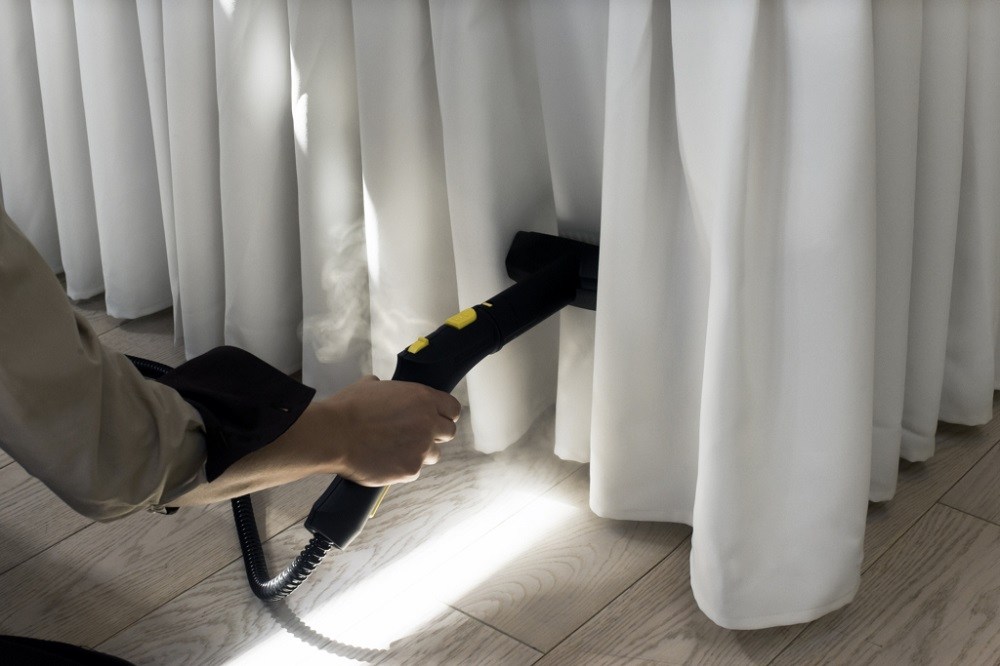
Regular maintenance can prevent dirt from becoming ingrained and reduce the need for intensive cleaning. Weekly vacuuming of upholstered furniture and carpets removes surface dust and dirt, preventing them from settling deeper into the fabric. Curtains should be dusted or vacuumed with an attachment to remove dust and allergens. Cushion covers and removable fabrics should be washed according to their care labels, generally every few months, to remove accumulated dirt and odors.
Tackling Spots and Spills Immediately
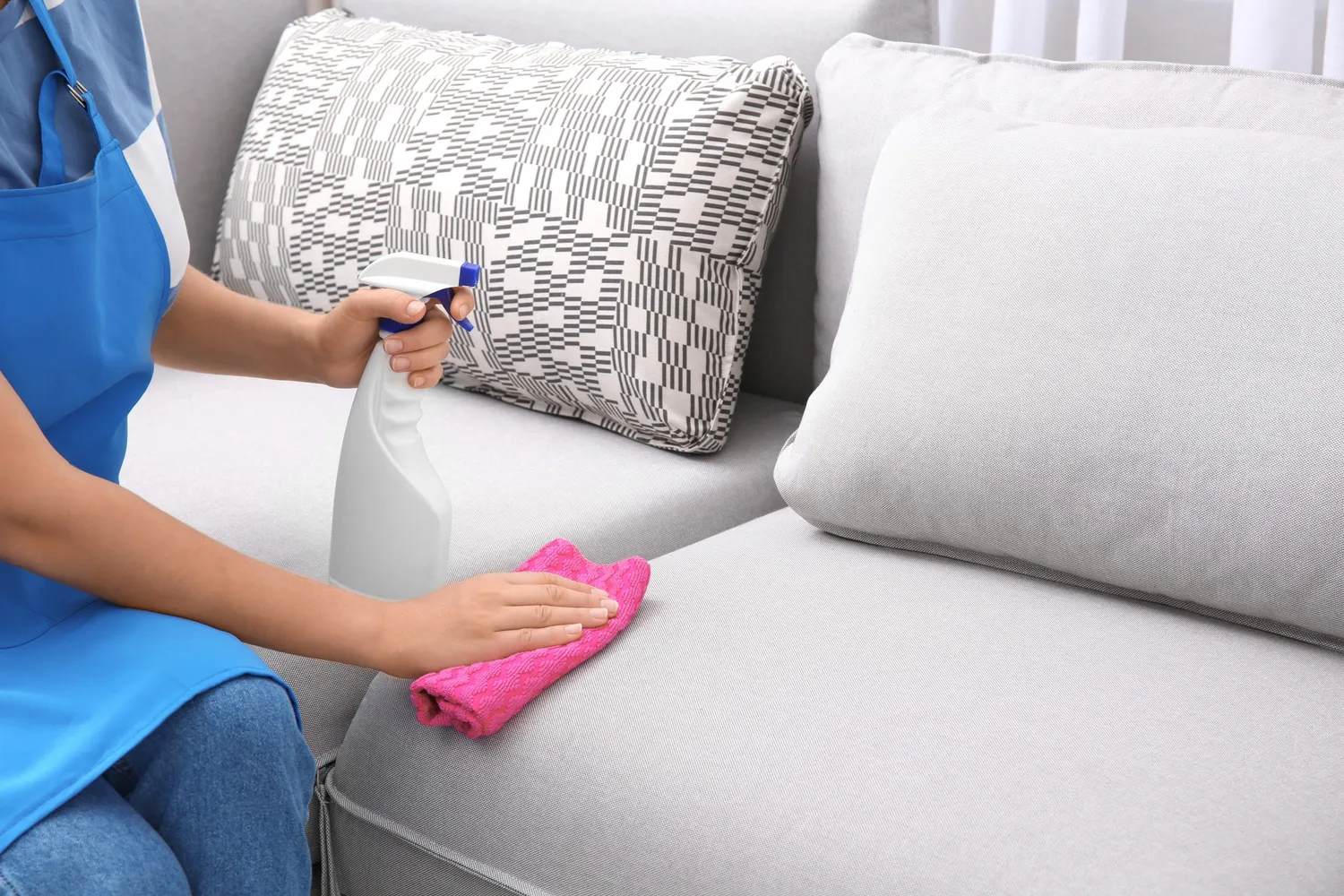
Accidents happen, but prompt action can prevent spills from becoming permanent stains. Blot fresh spills immediately with a clean, absorbent cloth to remove as much liquid as possible. Avoid rubbing, as this can spread the stain or push it deeper into the fabric. For specific stains, such as red wine or coffee, consult a stain removal guide for advice on suitable cleaning solutions. Always test any cleaning product on an inconspicuous area first to check for colorfastness.
Deep Cleaning Techniques
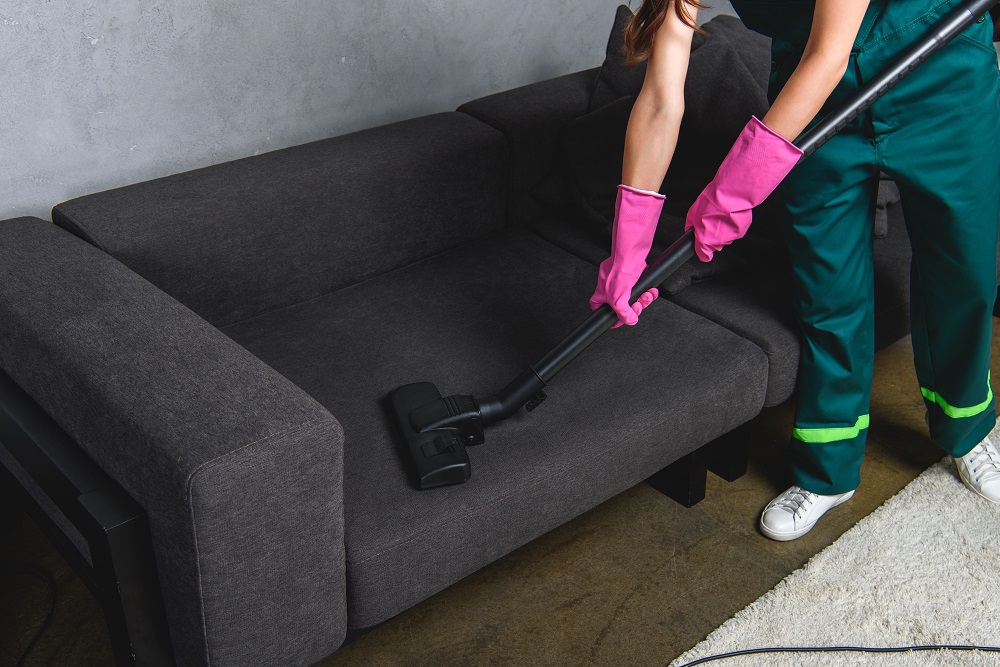
Even with regular maintenance, soft furnishings will occasionally need a deeper clean. Steam cleaning is effective for many types of upholstery and carpets, killing dust mites and removing embedded dirt. However, not all fabrics are suitable for steam cleaning, so check the manufacturer’s recommendations. For delicate items, consider hiring a professional cleaning service that specializes in soft furnishings. They will have the expertise and equipment to clean sensitive materials without causing damage. Check out Wink's carpet & upholstery cleaning to know more about deep cleaning techniques.
Freshening Up Your Soft Furnishings
Beyond cleaning, there are simple ways to keep your soft furnishings smelling fresh. Baking soda is a natural deodorizer; sprinkle it on upholstered furniture or carpets, leave for a few hours, then vacuum it up. Fabric refreshers can also be used, but choose one suitable for your fabric type and test it first. Opening windows regularly to allow fresh air to circulate can also help reduce mustiness and keep your soft furnishings smelling clean.
Safeguarding Your Furnishings
To minimize future stains and damage, consider using fabric protectors. These products create a barrier on the surface of the fabric, making it more resistant to spills and stains. However, they should be applied carefully following the manufacturer's instructions and may need to be reapplied after deep cleaning. Additionally, keep soft furnishings out of direct sunlight where possible to prevent fading, and rotate cushions regularly to ensure even wear.
Conclusion
Maintaining your soft furnishings requires a combination of regular cleaning, prompt stain removal, and periodic deep cleaning. Understanding the specific care requirements of different materials and taking preventative measures can significantly extend the life and appearance of your soft furnishings. By following these guidelines, you can keep your home comfortable, welcoming, and fresh for years to come.