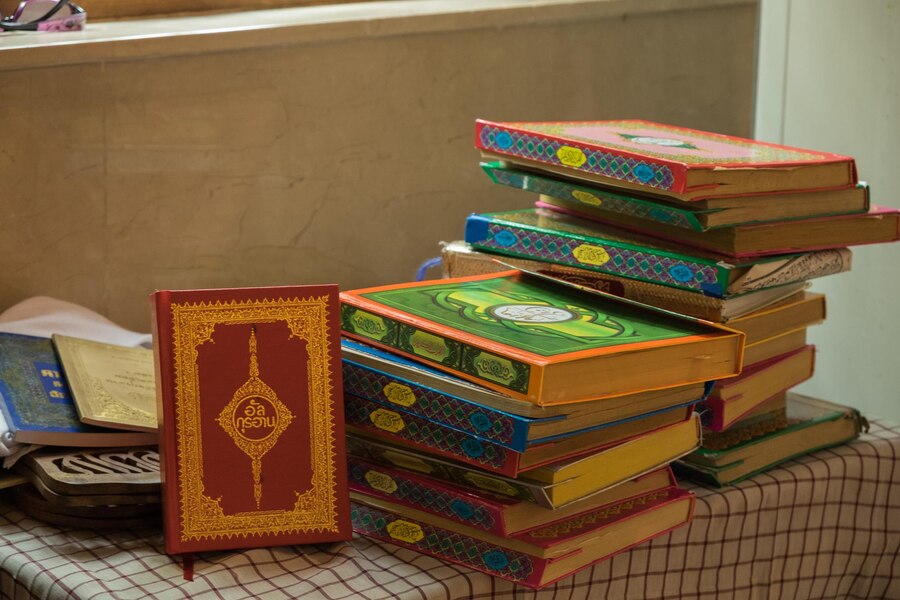
Islamic history is a vast and multifaceted subject, essential for understanding the cultural, political, and intellectual contributions of Muslim societies to global civilization. Urdu-speaking audiences, particularly in South Asia, have a rich repository of Islamic history books that provide deep insights into key historical events, figures, and empires that shaped the Muslim world. This article aims to explore the significance of Islamic history in Urdu, the themes covered in these books, and offer a curated list of essential works to enhance your understanding of the Islamic past.
Why Study Islamic History in Urdu?
Urdu, a widely spoken language in South Asia, has long been a medium for scholarly works, especially in Islamic studies. For readers in Pakistan, India, and neighboring regions, reading Islamic history in Urdu is both accessible and culturally relevant. Here's why Urdu is crucial for studying Islamic history:
1. Cultural and Regional Relevance
The Indian subcontinent has a long history with Islam, from the early spread of the faith to the establishment of major Muslim empires. Urdu literature and history are deeply rooted in the socio-political landscape of this region, making it an ideal language for understanding the dynamics of Islamic civilization in South Asia.
2. Ease of Access
For many in South Asia, Urdu is the preferred language for scholarly engagement. By reading Islamic history books in Urdu, you can easily access complex ideas and historical events in a language that feels natural and familiar.
3. Historical and Scholarly Contributions
South Asian scholars have made significant contributions to Islamic historiography. Many of the essential texts on Islamic history were either written in Urdu or translated into it, reflecting the intellectual heritage of the region.
Key Themes in Islamic History
Islamic history is a broad field with numerous significant themes that shape the development of the Muslim world. Some key topics frequently explored in Urdu texts include:
- Life of Prophet Muhammad (PBUH): In-depth accounts of the Prophet’s life, teachings, and his pivotal role in the early years of Islam.
- The Rise and Fall of Caliphates: Analysis of early Caliphates such as the Rashidun, Umayyad, and Abbasid, along with later empires like the Ottoman Caliphate.
- Islamic Civilization and Contributions: Exploration of the intellectual, cultural, and scientific achievements of Muslim societies, including advancements in mathematics, astronomy, and medicine.
- Medieval Muslim Empires: Studies of the Delhi Sultanate, Mughal Empire, and Ottoman Empire, focusing on their political and cultural legacies.
- Islamic Philosophy and Theology: Examination of key Islamic philosophical schools, theological movements, and the contributions of thinkers like Al-Ghazali, Ibn Sina, and Shah Waliullah.
- Colonialism and Modern Islamic Movements: How the colonial period affected Muslim societies and the responses of Islamic reformers and nationalists.
Must-Read Islamic History Books in Urdu
Here’s a curated list of essential Islamic history books in Urdu, each providing rich insights into different aspects of Islamic history. These texts serve as fundamental resources for anyone wishing to understand the Muslim world's development, particularly in the South Asian context.
1. "Tarikh al-Tabari" (The History of al-Tabari) – By Muhammad ibn Jarir al-Tabari
- Overview: One of the most comprehensive historical texts in Islamic historiography, Tarikh al-Tabari covers the history of the world from creation to the Abbasid period, providing detailed accounts of early Islamic history and key events such as the life of Prophet Muhammad (PBUH), the rise of the first Caliphates, and the conflicts during the early centuries of Islam.
- Significance: This work is a cornerstone for understanding early Islamic civilization and is often considered one of the most important Islamic historical texts.
- Urdu Translation: Widely accessible to Urdu readers, offering insights into the early political and social history of Islam.
2. "Seerah Ibn Hisham" (The Life of Muhammad) – By Ibn Hisham
- Overview: This biography of the Prophet Muhammad (PBUH) by Ibn Hisham is one of the most respected works on the life of the Prophet. It provides details of his early life, prophethood, and the significant events of his mission.
- Significance: The book is a vital source for understanding the Prophet’s role in shaping the early Muslim community and the religious, social, and political changes that followed.
- Urdu Translation: The translation of this classic biography allows Urdu readers to gain an intimate understanding of the Prophet’s life and mission.
3. "Tareekh-i-Islam-i-Hind" (History of Islam in India) – By Siraj-ud-Din Ali Khan Arzu
- Overview: Arzu’s Tareekh-i-Islam-i-Hind focuses on the arrival and spread of Islam in the Indian subcontinent. It covers the establishment of the Delhi Sultanate, the rise of the Mughal Empire, and the enduring influence of Islam on the subcontinent’s culture and society.
- Significance: This book is essential for understanding the history of Islam in South Asia, especially its cultural and political impact.
- Urdu Translation: The Urdu version provides a deep, context-specific exploration of Islamic history in the subcontinent.
4. "Tareekh-i-Mughul" (History of the Mughals) – By Khwaja Ahmad Faruqi
- Overview: This book offers an in-depth analysis of the Mughal dynasty, exploring the rise of the empire under Babur, its golden age under Akbar, and its eventual decline.
- Significance: The Mughal Empire remains one of the most influential Muslim empires in history, and this book covers its political, military, and cultural contributions to the Muslim world.
- Urdu Translation: Faruqi’s work, in its Urdu translation, remains an authoritative resource for understanding the Mughal period in Indian history.
5. "Fikr-o-Tafseer Ka Itihas" (History of Islamic Thought and Interpretation) – By Dr. Muhammad Iqbal
- Overview: Dr. Iqbal traces the development of Islamic philosophy and the interpretation of the Qur'an, examining how Islamic thought evolved from the early centuries to the modern era.
- Significance: Iqbal’s insights into Islamic philosophy are crucial for understanding the intellectual tradition of Islam and its continued relevance in the modern world.
- Urdu Translation: This work, originally written in Urdu, provides a deep and reflective analysis of the evolution of Islamic thought.
6. "Tareekh-i-Usmaniyah" (History of the Ottomans) – By Dr. Muhammad Iqbal
- Overview: This book examines the rise and fall of the Ottoman Empire, focusing on its political, military, and cultural impact on the Muslim world.
- Significance: The Ottomans played a critical role in the defense and spread of Islam, and this text offers a detailed exploration of their empire.
- Urdu Translation: Iqbal’s reflections on the Ottomans in Urdu provide readers with a deeper understanding of the Empire’s role in shaping Islamic history.
7. "Tareekh-i-Islam" (History of Islam) – By Maulana Shibli Nomani
- Overview: Maulana Shibli Nomani’s Tareekh-i-Islam is one of the most comprehensive accounts of Islamic history from the Prophet Muhammad (PBUH) to the modern era.
- Significance: This work offers an extensive narrative of the events, personalities, and empires that have shaped the course of Islamic civilization.
- Urdu Translation: Nomani’s scholarly work in Urdu serves as an authoritative text for students and researchers interested in Islamic history.
Islamic history provides critical insights into the development of not only Muslim societies but also global civilization. Through the Urdu language, these historical works become more accessible and culturally relevant to readers in South Asia. The books listed above are essential for anyone wishing to explore the deep and complex history of Islam, especially from a South Asian perspective.
If you're eager to explore these books further or wish to learn more about Islamic history in Urdu, consider diving into these recommended works. For those interested in a detailed guide to Islamic History Books in Urdu feel free to reach out. Let us know your specific interests, and we’ll be happy to curate further resources or provide in-depth analysis on particular themes and texts.