
In Islam, the stories of the Prophets are not merely historical accounts but profound lessons that continue to shape the moral and spiritual lives of millions. These narratives, as mentioned in the Qur’an and Hadith, offer timeless guidance on faith, patience, perseverance, and the ultimate goal of submitting to the will of Allah. For Muslims, the stories of the Prophets hold deep significance as they help us understand the essence of Islam, the trials faced by these noble figures, and how their messages are relevant to modern life.
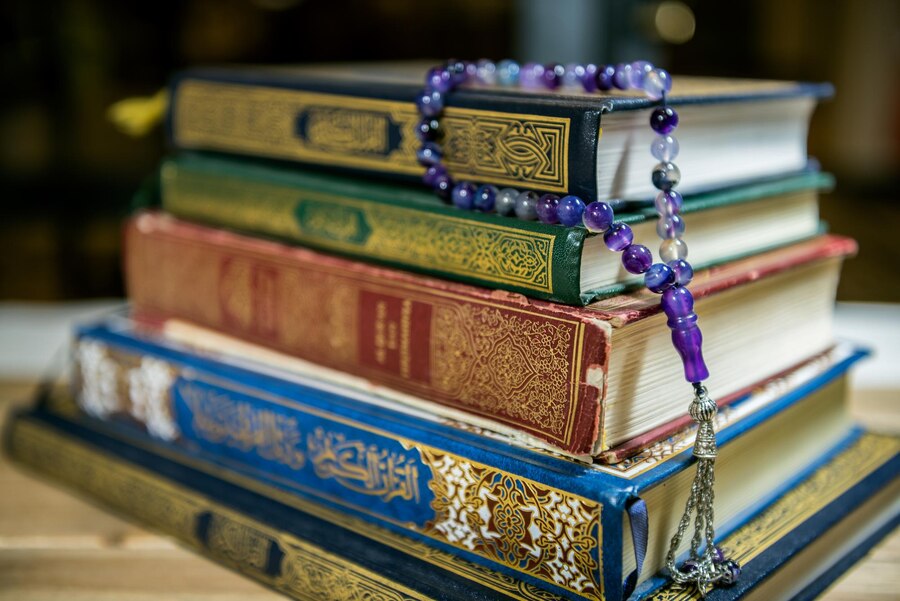
Islamic books on the stories of the Prophets provide a way to engage with these narratives on a deeper level. Whether you're a new Muslim or someone seeking to understand the Prophetic traditions, these books serve as powerful tools for reflection, spiritual growth, and learning. In this article, we’ll explore why the stories of the Prophets are important and highlight some must-read Islamic books that delve into their lives and teachings.
The Importance of the Prophets in Islam
In Islam, the Prophets are seen as divinely chosen individuals who brought the message of Tawhid (the oneness of God) to humanity. From Prophet Adam (AS), the first human being, to Prophet Muhammad (PBUH), the final Prophet, each of these figures played a unique role in guiding their communities to righteousness.
The Qur’an mentions 25 prophets by name, but Islamic tradition acknowledges that there were many more sent to different nations. The stories of these prophets are filled with moral lessons that cover a wide spectrum of human experiences, including:
- The Strength of Faith: Many of the prophets faced immense adversity, but their unwavering faith in Allah remained a central theme. These stories inspire Muslims to stay committed to their faith, even in the face of trials and hardships.
- Moral and Ethical Lessons: The prophets exemplified the highest moral standards—honesty, justice, kindness, and forgiveness. Their lives serve as a moral compass, guiding us to lead better lives.
- Patience and Perseverance: From the trials of Prophet Ibrahim (AS) to the patience of Prophet Ayyub (AS), these stories emphasize the importance of patience and resilience during times of difficulty.
- Divine Mercy and Justice: Through the experiences of the prophets, we are reminded of Allah’s mercy, justice, and the importance of repentance and seeking forgiveness.
Key Themes in the Stories of the Prophets
The stories of the Prophets cover numerous themes that help shape our understanding of Islam. Here are some of the major themes explored:
- Monotheism and the Message of God: Each prophet carried the message of worshipping the one true God. This is a consistent thread in every prophet’s story, from Prophet Adam to Prophet Muhammad (PBUH).
- Divine Challenges and Miracles: The Prophets often faced challenges that tested their faith and resolve. Many performed miracles, like Prophet Musa (AS) parting the Red Sea, or Prophet Isa (AS) healing the sick.
- Family and Community: The interactions between the Prophets and their families, companions, and communities illustrate essential values of social responsibility, justice, and compassion.
- Prophetic Struggles and Triumphs: From the exile of Prophet Yunus (AS) to the battles faced by Prophet Muhammad (PBUH), these stories remind us of the human side of the Prophets and the perseverance needed to fulfill their missions.
Must-Read Islamic Books on the Stories of the Prophets
1. "Stories of the Prophets" by Ibn Kathir
- Overview: One of the most widely read and authoritative works on the stories of the Prophets, Ibn Kathir’s Stories of the Prophets provides a detailed, rich account of the lives of the prophets mentioned in the Qur’an and Hadith. This book covers both well-known and lesser-known Prophets, offering a complete picture of their struggles, missions, and the messages they carried.
- Why It’s Special: Ibn Kathir’s scholarship is renowned for its depth and accuracy. His detailed references to Qur’anic verses and Hadith make this book an essential resource for anyone interested in understanding the prophetic tradition in Islam.
- Recommended For: Those seeking an in-depth, scholarly approach to the stories of the Prophets.
2. "The Lives of the Prophets" by Muhammad al-Jibaly
- Overview: This book provides a straightforward, engaging, and easy-to-understand narrative of the lives of the Prophets. Written by Muhammad al-Jibaly, it includes practical lessons drawn from the stories of each Prophet, making it accessible for young readers and newcomers to Islamic studies.
- Why It’s Special: Al-Jibaly’s writing style is simple yet profound, making the moral lessons from each story easy to grasp. This book also includes supplementary discussions on how to apply the teachings of the Prophets in our daily lives.
- Recommended For: Beginners, young adults, and anyone seeking a more digestible introduction to the Prophetic stories.
3. "In the Footsteps of the Prophet" by Tariq Ramadan
- Overview: Although not a traditional collection of prophetic stories, In the Footsteps of the Prophet focuses on the life of Prophet Muhammad (PBUH). Tariq Ramadan reflects on the spiritual, social, and intellectual dimensions of the Prophet’s life, offering readers a profound understanding of his character and mission.
- Why It’s Special: Ramadan’s approach is philosophical and reflective, making this book ideal for those interested in understanding the deeper spiritual and ethical teachings of Prophet Muhammad (PBUH).
- Recommended For: Those seeking a deeper, more reflective look at the life of Prophet Muhammad (PBUH) and the universal messages of Islam.
4. "The Prophets" by Muhammad Asad
- Overview: Muhammad Asad’s The Prophets is a scholarly work that delves into the lives and messages of the Prophets from an intellectual and theological perspective. This book offers a historical analysis of the prophets mentioned in the Qur’an and their significance in the context of Islamic thought.
- Why It’s Special: Asad’s deep understanding of both classical Islamic thought and modern theology makes this book a unique contribution to the study of the Prophets. It offers both a historical account and a philosophical exploration of their messages.
- Recommended For: Scholars and readers looking for a more academic exploration of the Prophetic stories.
5. "The Story of Prophet Yusuf" by Dr. Muhammad al-Ghazali
- Overview: This book focuses on the Qur'anic story of Prophet Yusuf (Joseph), widely regarded as one of the most captivating and inspirational stories in the Qur’an. Dr. Muhammad al-Ghazali offers an insightful analysis of Yusuf’s journey, focusing on themes of patience, forgiveness, and trust in Allah.
- Why It’s Special: Al-Ghazali’s exploration of Prophet Yusuf’s story highlights how his trials, including betrayal, imprisonment, and reconciliation, offer timeless moral lessons. The book’s focus on applying these lessons in contemporary life makes it particularly relevant for today’s readers.
- Recommended For: Those interested in exploring one of the most spiritually rich and morally profound stories in the Qur’an.
The stories of the Prophets are a cornerstone of Islamic teachings, offering invaluable lessons for believers. These stories not only guide us toward moral and ethical living but also help us understand the deep connection between humanity and the Divine. Whether you are a scholar or a general reader, the books mentioned above provide an excellent way to explore the lives of these remarkable figures and the enduring wisdom they shared.