Understand What Is Off-Page SEO and How It Builds Authority
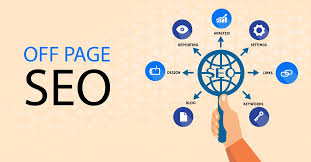
In the world of digital marketing, simply having a well-designed website with great content is no longer enough. Even if your pages are perfectly optimised, without off-page SEO, your website may struggle to rank well on search engines. Off-page SEO is the practice of optimising factors outside of your website to improve your search rankings, build authority, and drive organic traffic.
While on-page SEO focuses on content, structure, and technical elements on your website, off-page SEO shows search engines that your website is trustworthy, credible, and authoritative. This makes it an essential strategy for businesses looking to stand out online, attract the right audience, and grow their brand presence.
What Is Off-Page SEO?
Off-page SEO, sometimes called off-site SEO, refers to all the actions taken outside your website to influence your search engine rankings. It signals to Google and other search engines that your website is reliable, relevant, and authoritative.
Some key elements of off-page SEO include:
- Backlinks – Links from other websites pointing to yours.
- Social Signals – Shares, likes, and engagement on social media platforms.
- Brand Mentions – Mentions of your brand across blogs, forums, and news sites.
- Guest Posting – Writing content for other websites to reach a new audience and earn backlinks.
- Influencer Outreach – Collaborating with industry influencers to create content or mentions.
- Online Reviews – Positive reviews on directories, Google My Business, and other platforms.
The main idea behind off-page SEO is simple: if other trustworthy websites link to or mention your site, it signals to search engines that your content is valuable and credible.
Why Off-Page SEO Is Important
Builds Domain Authority
Search engines rank websites based on multiple factors, one of the most important being domain authority. Domain authority reflects the overall trustworthiness, expertise, and credibility of a website. Off-page SEO activities, such as earning high-quality backlinks from authoritative websites, directly contribute to increasing your domain authority. The more your website is recognized by other trusted sources, the more search engines view it as a reliable and expert resource in your industry.
Improves Search Rankings
Backlinks, brand mentions, and social signals all send positive signals to Google and other search engines that your website deserves higher rankings. Websites with a strong off-page SEO profile tend to rank better and faster than sites that only rely on on-page optimization. Essentially, off-page SEO acts as a vote of confidence from other sites, helping search engines understand that your content is relevant, credible, and valuable for users.
Drives Referral Traffic
When your content is linked on other websites, blogs, or social media platforms, it doesn’t just improve SEO — it also drives direct referral traffic from those sources. Visitors coming from high-authority websites are often more engaged, spend more time on your site, and are more likely to convert into leads or customers. This makes off-page SEO not just a ranking factor but also a powerful traffic-generation tool.
Enhances Brand Visibility and Reputation
Off-page SEO helps your business gain recognition across the internet. A strong backlink profile combined with consistent brand mentions builds online credibility, positioning your website as a trusted authority in your industry. Over time, this improves not just search rankings but also your overall brand reputation, making potential customers more likely to choose your business over competitors.
Supports Local SEO
For local businesses, off-page SEO is crucial for improving visibility in local search results. Strategies like online reviews, local citations, and partnerships with community blogs or websites help search engines understand that your business is active and trusted in a specific location. These tactics not only improve local rankings but also help attract more nearby customers searching for the products or services you offer.
Key Off-Page SEO Strategies
1. High-Quality Backlink Building
Backlinks are the foundation of off-page SEO. But not all backlinks are equal. Search engines prioritize quality over quantity, meaning links from reputable, relevant websites carry far more weight than low-quality or spammy links.
Some effective backlink strategies include:
- Guest blogging on industry-relevant websites
- Collaborating with influencers or thought leaders
- Creating shareable content like infographics, videos, and case studies
- Earning links naturally through high-quality, informative content
2. Social Media Engagement
Although social signals such as likes, shares, comments, and overall engagement are not direct ranking factors for search engines, they play an important role in increasing visibility and amplifying content reach. Platforms like LinkedIn, Twitter, Instagram, and Facebook can help your content reach a wider audience, encouraging more people to view, share, and link to it. This increased exposure indirectly benefits SEO by generating more referral traffic, brand awareness, and high-quality backlinks, which contribute to overall website authority.
3. Brand Mentions
Even if your website isn’t directly linked, search engines can recognize brand mentions across blogs, news sites, forums, and social media as a signal of credibility and relevance. Consistent brand mentions indicate that your business is being talked about within your industry, which strengthens your online reputation and authority. These mentions show search engines that your brand is active, relevant, and trusted, which can positively impact your search visibility over time.
4. Influencer Outreach and Collaboration
Collaborating with influencers, industry experts, or thought leaders can significantly enhance your brand’s online visibility and credibility. Working with influencers allows your business to reach a highly targeted audience, earn high-quality backlinks, and strengthen trust among potential customers. Influencer marketing not only drives traffic to your website but also builds long-term brand authority by associating your business with reputable voices in your niche.
5. Guest Posting
Guest posting allows you to write content for other websites in your niche. It’s a win-win strategy: the host website gets valuable content, while you earn backlinks, exposure, and authority in your industry.
6. Online Reviews and Reputation Management
Reviews on platforms like Google My Business, Yelp, or industry-specific directories contribute to off-page SEO. Positive reviews enhance your brand reputation, improve local search rankings, and increase user trust.
7. Forum and Community Participation
Active participation in forums like Quora, Reddit, and niche communities can help establish your brand authority. Answering questions and providing valuable insights encourages users to visit your website and enhances your online reputation.
How Off-Page SEO Builds Authority
Off-page SEO builds authority by signaling to search engines and users that your website is trustworthy, relevant, and valuable.
- Backlinks from authoritative websites act as endorsements of your content.
- Brand mentions show consistency and recognition across the web.
- Social engagement and reviews indicate that users trust and value your brand.
Over time, these combined signals increase your domain authority, which improves rankings for competitive keywords and helps your website stand out as an industry leader.
Businesses that invest in off-page SEO often see long-term benefits, including higher organic traffic, better user engagement, and more leads.
Partnering with a professional team, such as the Best SEO Agency in USA, ensures your off-page SEO strategies are executed efficiently, ethically, and effectively. A good agency can help identify authoritative backlink opportunities, manage influencer collaborations, optimize social engagement, and monitor your brand mentions online.
Common Mistakes in Off-Page SEO
Even though off-page SEO is crucial, many businesses make mistakes that limit its effectiveness:
- Focusing Only on Quantity of Backlinks – Low-quality links can hurt your rankings. Always prioritize relevance and authority.
- Ignoring Brand Mentions – Tracking mentions can uncover opportunities for backlinks and reputation management.
- Neglecting Social Media – Active engagement increases visibility and indirect SEO benefits.
- Overlooking Local SEO – For small businesses, missing local citations and reviews can limit growth.
- Using Black-Hat Techniques – Paid or spammy links may lead to penalties from Google.
How to Measure Off-Page SEO Success
Tracking the results of off-page SEO is essential. Key metrics include:
- Number of high-quality backlinks earned
- Domain authority and page authority scores
- Referral traffic from external websites
- Social shares, likes, and engagement
- Brand mentions across forums, blogs, and media
- Improvements in organic rankings and visibility
By monitoring these metrics, businesses can refine their off-page SEO strategies and continue building authority effectively.
FAQs About Off-Page SEO
1. What is the difference between on-page and off-page SEO?
On-page SEO focuses on optimizing elements on your website like content, meta tags, and structure. Off-page SEO focuses on external factors like backlinks, social signals, and brand mentions to boost authority.
2. Why are backlinks important in off-page SEO?
Backlinks act as votes of confidence from other websites. High-quality backlinks signal to search engines that your website is trustworthy and relevant, improving rankings.
3. Can social media activity improve SEO?
While social signals don’t directly affect rankings, sharing and engagement increase visibility, traffic, and backlinks, indirectly supporting SEO performance.
4. How long does it take to see results from off-page SEO?
Results can vary, but generally, businesses may start seeing improvements in 3–6 months, depending on the industry, competition, and quality of strategies.
5. What are some common off-page SEO mistakes?
Common mistakes include low-quality backlink building, ignoring brand mentions, neglecting social media, overlooking local SEO, and using black-hat techniques.
6. How does off-page SEO build website authority?
By earning backlinks from authoritative sites, gaining brand mentions, and engaging users on social media, your website is recognized as credible and trustworthy, which increases its authority and improves rankings.
Conclusion
Off-page SEO is not optional in today’s competitive digital landscape. It helps search engines and users recognize your website as credible, relevant, and authoritative. From backlinks to social engagement, brand mentions, and reviews, every off-page strategy contributes to building domain authority and driving organic growth.