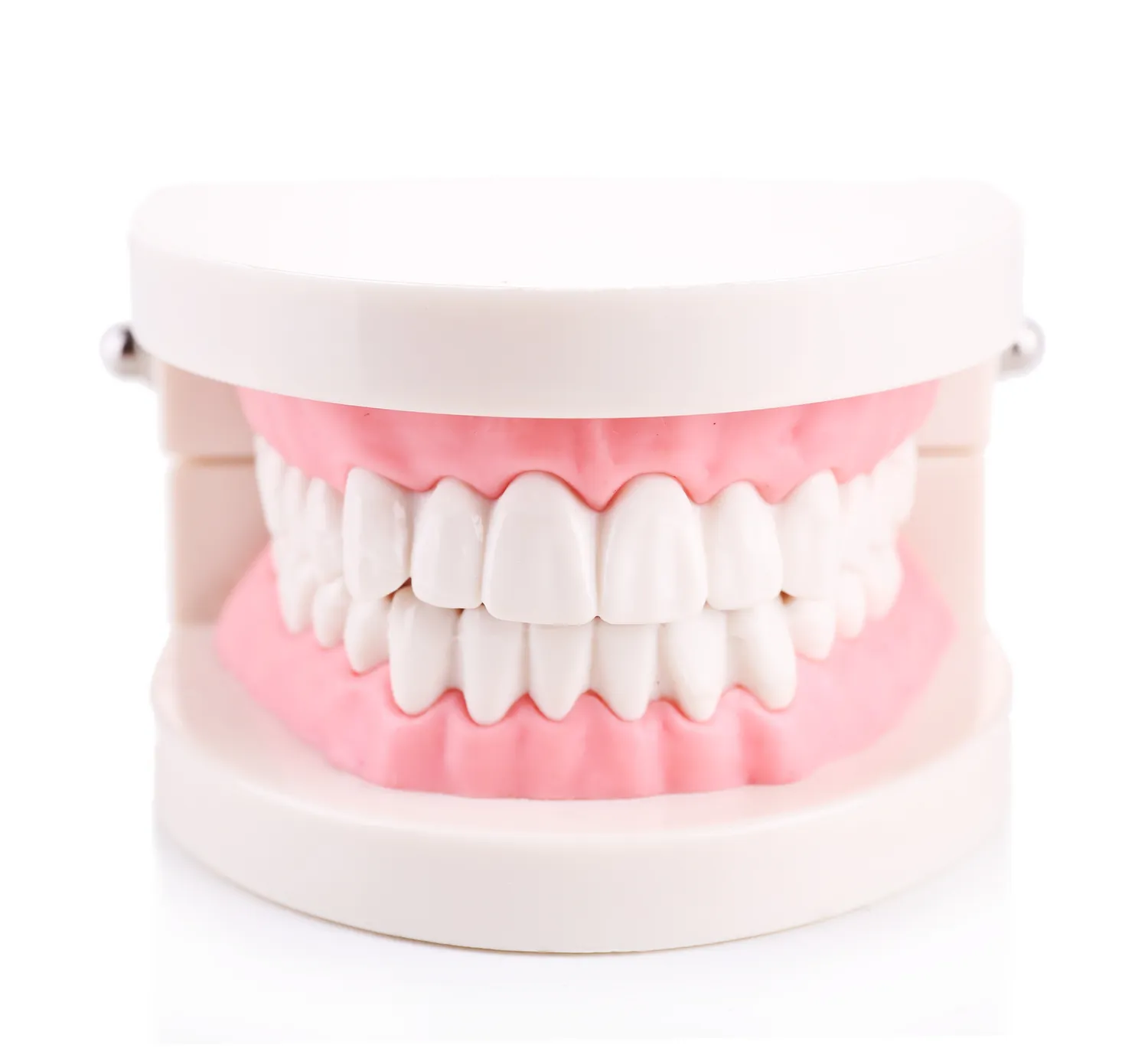
Discomfort at first
Getting new partial dentures can be uncomfortable at first. This is because the mouth must adjust to having something other than your natural teeth. If you can overcome the initial discomfort, you can enjoy the benefits of your new dentures.
Wearing a new set of dentures can take a few days or even a week. You may experience a minor soreness while eating or talking, but that pain should subside once you become more accustomed to the new dentures.
It is best to avoid foods that are hard and crunchy. Instead, eat soft foods such as soups, puddings, and cooked vegetables. These foods are easy to chew and will help relieve sore gums.
It is also essential to clean your mouth thoroughly. This will help the artificial teeth feel like they belong in your mouth. You can ask your dentist about the best products for cleaning your dentures.
Another way to avoid sore gums is to chew on both sides of your mouth. This will ensure even pressure on the gums and reduce discomfort.
It is also a good idea to use an ice pack to numb the area where the denture rests. You can also place a damp cloth over the dentures for added comfort.
Aside from eating soft foods, you can also take over-the-counter pain relief to help with discomfort. Using dental creams can also reduce irritation early on.
You should see your dentist if you experience discomfort for a long time. The dental professional can adjust the dentures to reduce irritation. If the irritation persists, you may have to have them refitted.
Longevity
Using dentures as a replacement for missing teeth can help maintain the teeth' health and improve your smile's appearance. Dentures are available in several different styles and materials. It is essential to select a product that is right for your needs.
The lifespan of partial dentures varies, depending on how well they are cared for. They can last between 6 and 20 years. However, there are several steps you can take to extend the life of your dentures.
The fit of your denture base is one of the most critical factors in the longevity of your appliance. A partial with a poorly fitted base may not be comfortable or functional. Regular cleaning and adjustments will help extend the life of your partial.
The material used to manufacture your denture can also significantly impact its longevity. Plastics can last long, while metals can be more prone to fracture.
You can also extend the life of your dentures by using proper oral care and maintaining a good oral hygiene routine. This will ensure that your dentures are clean and free from food debris. If your denture is damaged, you may need to send it to a dental laboratory for repair.
Researchers used several statistical tools to determine the longevity of partial dentures. Various studies used the Kaplan-Meier method to determine how many failures and survivals occurred.
Several studies used multi-level modeling reanalyses to determine the long-term treatment effects. They concluded that the conventional method overestimated the probabilities of success and failure.
Using a reline or rebase procedure can help extend the lifespan of your partial dentures. A reline or rebase can help restore the fit and comfort of your denture.
Cost
Depending on the location, the cost of partial dentures can vary greatly. The type of denture and the materials used will also determine the price. If you have dental insurance, you may receive some or all of your denture costs covered.
Dentures are designed to replace missing teeth. They give you a natural look and allow you to chew food. They are also a good solution for people with healthy teeth. Regardless of the type of denture, you will need regular checkups to ensure they are working correctly.
The cost of partial dentures can be expensive, especially if you don't have dental insurance. Dental plans can provide a discount on the price of the dentures, and you don't have to pay for dentist statements or X-rays.
You may need to pay for additional procedures, which will add to the overall cost. Some providers will also cover relines, which are costs related to the cleaning and adhesives of your dentures.
The price of a denture can also depend on the number of teeth you have missing. If you have a lot of missing teeth, you may need more procedures, which will increase the overall cost of your dentures.
A flexible partial denture may cost as little as $700 but can run up to $1,500. This type of denture is typically made of soft plastic or nylon. They conform to the shape of your gums and are less durable than a traditional complete denture.
Traditional rigid partial dentures are usually made from metal and may have metal clasps. They can be expensive, however, and may become loose over time.
Cleaning
Keeping your partial dentures clean is essential to maintaining the appearance and life of your dentures. Proper care helps to prevent the accumulation of bacteria, plaque, and calculus on your dentures. These substances can irritate your gums and lead to soreness and inflamed gums. They can also cause bad breath.
To keep your dentures clean, brush them regularly. You can use a soft-bristled brush and non-abrasive toothpaste. These brushes will help remove food debris and plaque.
Your dentures should be cleaned every day. Store them in a glass of water when they are not in use. Never leave them in a plastic bag or open in the air. They are susceptible to damage when exposed to hot or cold temperatures.
Dentures can be cleaned with a denture-cleaning solution. These solutions contain chlorine, which helps to disinfect your dentures. However, it would be best if you used only a mild solution. These solutions can also tarnish metal clasps.
Before putting your dentures back in your mouth, use a soft brush to clean the dentures thoroughly. Rinse with warm water. Never use bleach or other abrasive cleaning solutions on partial dentures.
Cleaning dentures regularly helps to keep them looking good and stain-free. Dentures can be costly, so it is essential to keep them clean to prevent damage. If you are missing some or all of your teeth, you should consider getting dentures to replace them.
Your dentist will advise you on how to keep your dentures clean and healthy. The dentist will also tell you when to remove your dentures for the night.
If you wear partial dentures, you should clean them daily. Cleaning your partial dentures helps to prevent the accumulation of bacteria, plaque, calcium deposits, and calculus.
Eating soft foods with partial dentures.
Getting a set of dentures can be a challenge. You'll need to learn how to eat food with your partials, which may take a bit of practice.
The best way to enjoy food with your new teeth is to take it slow. Try to chew food thoroughly and simultaneously use both sides of your mouth. This will help prevent your dentures from moving around and allow you to enjoy your food without discomfort.
You can also try some of the more difficult-to-chew foods. For example, you can try a small piece or a small chocolate bar if you love chocolate. These foods are a good idea because they have health benefits.
A great way to find out what food will work with your partials is to ask your dentist. They may give you some suggestions or recommend a denture adhesive.
Several websites offer recipes for soft foods. Some foods that can work with your partials include smooth chocolates, cookies, and cheesecake. Some people find that drinking water can help them to chew their food.
For instance, drinking a small glass of water can help wash away food particles. If you are wearing a flexible partial, you may want to avoid drinking anything hot. Hot liquids may dislodge your partials, so you may want to hold them in your mouth for a short period before consuming them.
The best way to enjoy food with a set of dentures is to learn how to prepare it properly. Some foods are hard to chew and may require multiple bites to break down. In addition, your mouth may be sensitive to heat, and chewing excessively could burn your sensitive soft tissues.