If you've been shopping for a new fireplace, you've probably come across two terms that seem almost identical -propane fireplace and LP fireplace. Are they the same thing? Does it matter which one you choose? And how does any of this connect to finding the right direct vent gas fireplace for your home?
The short answer is: propane and LP (liquefied petroleum) are the same fuel. But that terminology still confuses a lot of buyers. The longer answer involves understanding fuel types, venting systems, installation requirements, and which option genuinely fits your home and lifestyle.
In this guide, we'll walk through everything clearly -so you can shop for direct vent fireplaces with confidence and come home with exactly the right unit.
First Things First: What Is LP Gas?
LP stands for liquefied petroleum gas. In the context of American home heating, LP almost always means propane. So when a product is labeled as a direct vent LP fireplace or a direct vent propane fireplace, you're looking at the same appliance designed to burn the same fuel -just described using different terminology.
The practical distinction is minor:
- Propane is stored as a liquid under pressure in tanks, but vaporizes into gas for combustion
- LP is the general industry term used by manufacturers and fuel suppliers
- Both refer to the same clean-burning, efficient fuel source
When browsing products, always check the specs. Most units come in two fuel configurations -natural gas (NG) and liquid propane (LP) -so make sure you select the version that matches your home's setup.
What Makes a Direct Vent Fireplace Different?
A direct vent fireplace uses a sealed combustion system. It pulls outdoor air in for combustion through one pipe and expels exhaust back outside through another -without ever interacting with the air inside your home. This two-pipe design (often a coaxial pipe-within-a-pipe arrangement) makes these units among the safest and most efficient options on the market.
The benefits are significant:
- No risk of combustion gases entering your living space
- No traditional chimney required -venting can go through a wall or roof
- Efficiency ratings often reaching 70% or higher
- Clean indoor air quality due to the fully sealed system
- Flexible placement -suitable for bedrooms, basements, and rooms without chimneys
This combination of safety, efficiency, and design flexibility is a big reason why homeowners upgrading their heating systems increasingly turn to direct vent fireplaces for sale rather than older open-hearth alternatives.
Propane vs. LP: What Actually Differs?
Since propane and LP describe the same fuel, the real comparison shifts to how these units are built, installed, and used day to day.
Fuel Source and Storage
A direct vent propane fireplace requires an on-site tank -typically installed outside your home. This makes it an ideal solution for rural properties or homes without access to a municipal gas line. Tanks range from small above-ground cylinders to large buried units holding several hundred gallons.
The advantage is energy independence. The trade-off is that you'll need to monitor your tank level and schedule refills through a local supplier -something most propane homeowners quickly get used to.
Heat Output
Propane has a higher BTU content per cubic foot than natural gas, which means a direct vent LP fireplace can deliver intense, consistent heat even in colder climates. Most residential units produce between 20,000 and 40,000 BTUs -enough to serve as a serious supplemental or primary heat source for medium to large rooms.
Installation
Whether you choose a propane or natural gas model, the fireplace installation process is largely the same. A licensed technician connects the unit to your fuel supply, runs the vent pipes through the wall or ceiling, and ensures everything meets local building codes. For propane setups, you'll also coordinate a one-time tank installation with your fuel supplier if you don't already have one.
Operating Costs
Propane typically costs more per BTU than natural gas, but it delivers more heat per unit of volume. Your actual operating costs will depend on local propane pricing, how frequently you use the fireplace, and your home's overall insulation. Many homeowners find that a well-chosen, high-efficiency unit offsets the higher fuel cost through reduced waste and better heat distribution.
Should You Consider a Direct Vent Fireplace Insert?
If you already have an existing fireplace -whether wood-burning or an older gas model -you may not need to replace the entire structure. That's where a direct vent fireplace insert becomes worth considering.
An insert is a self-contained unit designed to fit into your existing firebox opening. It converts an old, inefficient fireplace into a modern, sealed gas appliance. The insert connects to vent pipes that run up through your existing chimney flue, making it one of the least invasive upgrades available for older homes.
Direct vent gas fireplace inserts are popular for several practical reasons:
- They eliminate cold drafts and heat loss from unused fireplace openings
- No major construction or new chimney is needed
- Available in both natural gas and LP/propane configurations
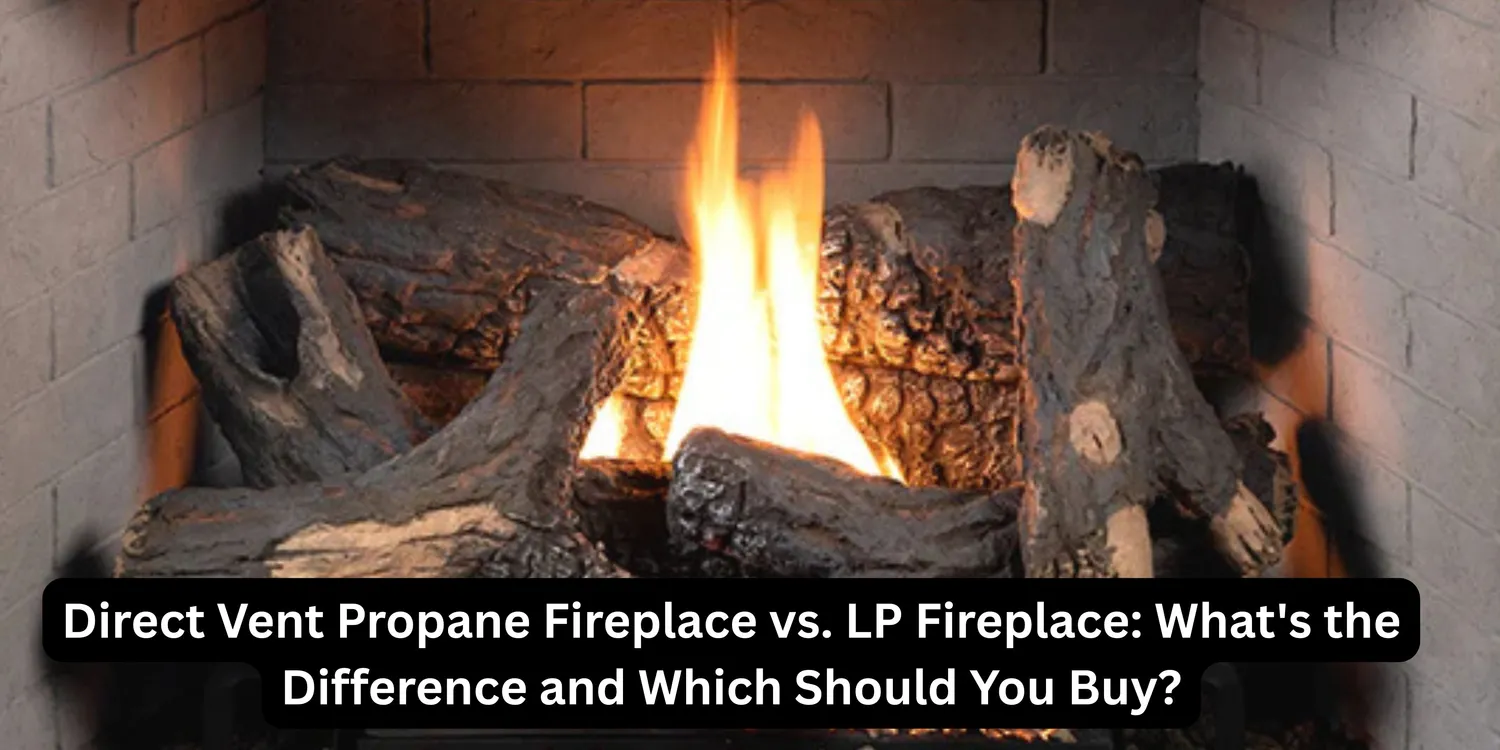
- Modern designs range from traditional log sets to sleek contemporary styles
- Efficiency improves dramatically compared to open-hearth wood or older gas fireplaces
Whether you go with a full replacement unit or a direct vent insert, the sealed combustion technology works the same way -safe, clean, and effective.
How to Match the Right Fireplace to Your Home
Choosing the right fireplace isn't just about fuel type -it's about how the unit fits into your home, your lifestyle, and your long-term heating needs. Here's how to think through it practically.
Start With Your Space
Room size is one of the most important factors. A compact 32-inch unit works well in a bedroom or study, while a larger 45-inch or 60-inch model suits open-plan living areas and great rooms. The key measurement is BTU output -as a general starting point, plan for roughly 20 BTUs per square foot, adjusted for ceiling height and insulation quality. Getting this right means your fireplace heats the room efficiently without running constantly or falling short on cold nights.
Think About Your Home's Fuel Setup
Homes already connected to a municipal natural gas line will find that fuel option simpler and often more economical. If you're in a rural area or your property doesn't have gas service, a propane model gives you the same performance and technology without needing a gas line -just an on-site tank managed through a local supplier. Neither option is inherently better; it comes down to what's already in place at your property.
Consider How You'll Actually Use It
Some homeowners want a fireplace that works as a primary heat source, running for extended periods during winter. Others want something they can flip on for ambiance on weekend evenings. These are very different use cases. For frequent, heavy use, look for units with higher BTU output, robust blower systems, and durable construction. For occasional ambiance, a compact, stylish model with good flame aesthetics and simple controls may be all you need.
Match the Style to Your Interior
The fireplace sits at the center of a room visually, so aesthetics matter as much as performance. Traditional models with realistic log sets and ember beds work beautifully in classic, rustic, or transitional interiors. Linear contemporary models with glass media -crushed glass, reflective panels, or river rocks -suit modern and minimalist spaces. Many units also offer customizable liners, surrounds, and media options, so you can fine-tune the look to complement your existing decor.
Factor In the Full Cost -Not Just the Unit Price
The purchase price is only part of the picture. Installation costs, venting materials, any required permits, and ongoing fuel expenses all factor into the real cost of ownership. Entry-level units start under $2,000, while premium models with smart ignition, interior lighting, and high-end finishes can reach $10,000 or more. Planning for the total investment upfront - rather than just the sticker price - helps avoid surprises down the line.
Features Worth Paying Attention To
Regardless of fuel type, certain features consistently separate good products from great ones:
- Electronic ignition - more reliable and convenient than a standing pilot light
- Smart ignition systems - improve both safety and ease of use
- Interior accent lighting - adds ambiance even when the heat is off
- Multi-function remote control - adjust flame height and output without leaving your seat
- Blower fan - circulates warm air more effectively throughout the room
- Ceramic glass front - retains heat inside the firebox while looking elegant
- Realistic log sets or glass media - a personal aesthetic choice that significantly affects the overall look
Brands like Majestic and Superior have built strong reputations for incorporating these features thoughtfully across their product lines, from compact inserts to large statement pieces.
Common Mistakes to Avoid
Even well-prepared buyers occasionally make avoidable errors. Here's what to watch out for:
Buying the wrong fuel configuration. Always confirm whether you need a natural gas or LP/propane model before purchasing. These units are not interchangeable without a conversion kit, and not all models support fuel conversion at all.
Underestimating BTU requirements. Too little output and your room stays cold; too much and you're wasting energy. Use the 20 BTUs per square foot starting point and adjust based on your specific space.
Overlooking venting logistics. Even though direct vent systems are more flexible than traditional fireplaces, they still have specific routing requirements. Make sure your planned installation location allows for proper pipe runs before you commit to a purchase.
Skipping professional installation. Gas appliance installation should always be handled by a licensed technician. Improper installation can void warranties, fail inspections, and create genuine safety hazards. Factor this into your budget from the beginning.
Conclusion
The propane vs. LP debate turns out to be no debate at all -they're the same fuel, just described differently. The decisions that actually matter are about venting technology, unit size, style, and whether a full fireplace or a direct vent fireplace insert better suits your home.
What stays consistent across all those choices is the fundamental advantage of direct vent technology: sealed combustion, strong efficiency, flexible installation, and clean indoor air. Whether you're searching for the best direct vent gas fireplace for a new build or exploring options to modernize an older home, this technology delivers a genuinely compelling blend of performance and design.
Take your time with the specs, match the BTU output to your space, confirm your fuel source, and work with a knowledgeable retailer. When you're ready to start comparing models, you can explore a wide range of direct vent fireplaces here - from compact inserts to grand linear showpieces - to find the right fit for your home.