There's something deeply comforting about a warm, glowing fireplace on a cold winter evening. It creates ambiance, adds warmth, and transforms any room into a cozy retreat. But modern homeowners expect more from their fireplace than just a pretty flame - they want efficiency, safety, clean air, and a design that complements their living space.
That's exactly where a direct vent fireplace delivers. Combining advanced heating technology with flexible installation and stunning visual appeal, these systems have become the preferred fireplace choice for homeowners in 2026. Whether you're building new, renovating, or simply upgrading your current setup, this guide covers everything you need to know.
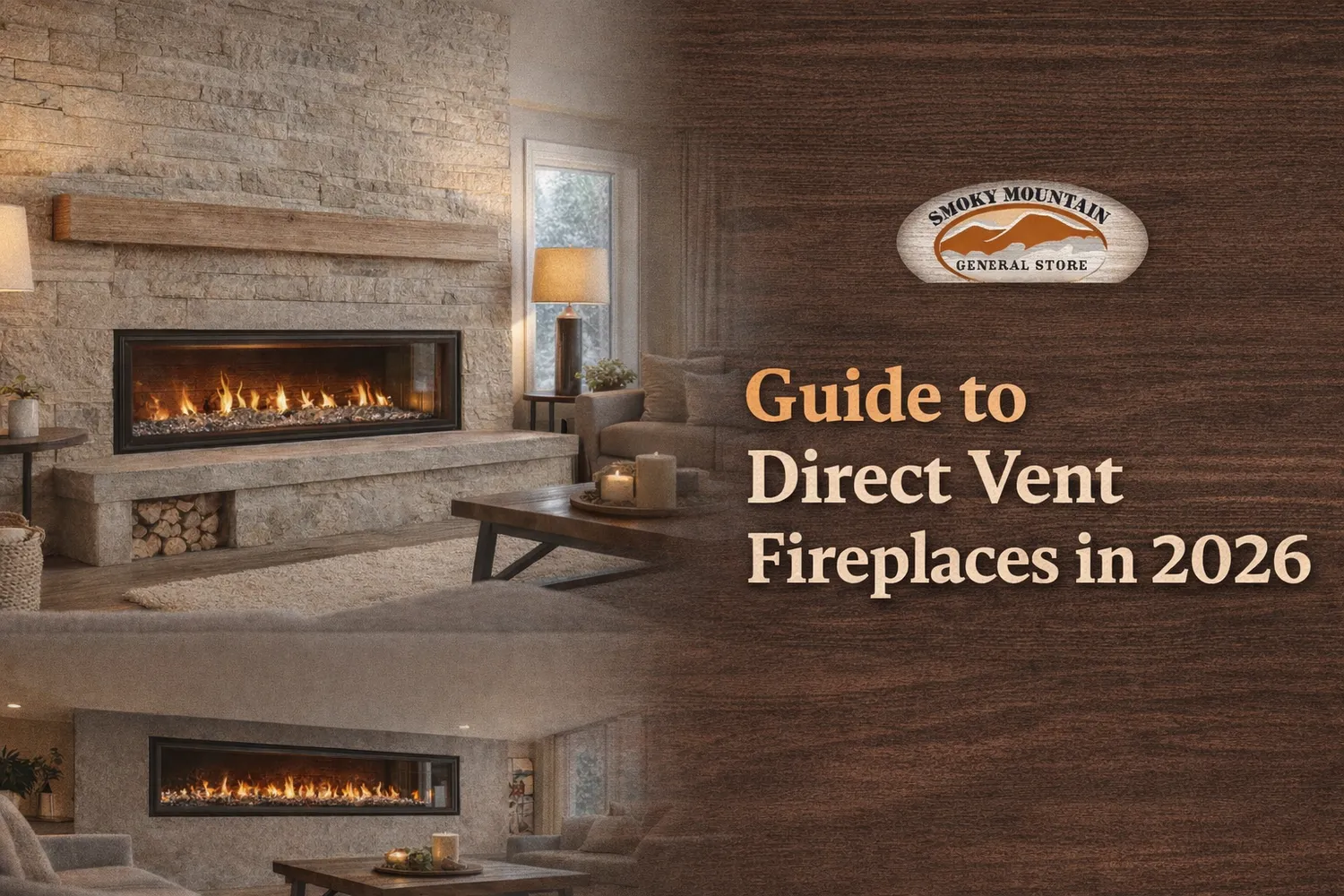
What Is a Direct Vent Fireplace?
A direct vent fireplace operates using a completely sealed combustion system built around a coaxial pipe-within-a-pipe design. The outer pipe draws fresh air in from outside for combustion, while the inner pipe expels all exhaust gases back outdoors - without ever affecting the air inside your home.
This sealed design eliminates backdrafting, a genuine safety risk found in traditional open-flue fireplaces where exhaust gases can be pushed back into the living space under certain pressure conditions. Most units run on natural gas or propane and can be vented either horizontally through an exterior wall or vertically through the roof, giving you genuine freedom in placement.
Key Benefits
1. High Heating Efficiency
One of the strongest reasons homeowners choose this type of fireplace is its impressive efficiency. Standard models typically achieve ratings between 70% and 85%, while premium units can reach up to 95% - meaning nearly all the fuel burned converts directly into usable heat for your room. Compared to conventional heating models, homeowners can save anywhere from 20% to 30% on annual heating bills by using their fireplace for zone heating - warming the rooms they actually occupy while lowering the central thermostat.
2. Clean Indoor Air
Because the combustion chamber is fully sealed behind a fixed glass front, nothing from the burning process enters your living space. No smoke, no soot, no carbon monoxide, no nitrogen dioxide, no odors. Your indoor air stays completely clean no matter how long the unit runs -making it an excellent choice for families with young children, elderly members, or anyone with asthma, allergies, or other respiratory sensitivities.
3. No Chimney Required
There's no need for expensive masonry work or an existing chimney. The venting system requires only a simple wall or ceiling penetration, making installation practical in almost any room - a basement, bedroom, home office, sunroom, or new addition. When planning your installation, keep in mind that horizontal vent runs typically accommodate up to three elbows and around 40 feet of pipe, so confirm your desired location works with these limits before purchasing.
4. Zone Heating and Energy Savings
Rather than heating your entire home at once, a direct vent gas fireplace allows you to warm specific rooms independently. This zone heating approach lets you lower your central furnace settings significantly, contributing to those 20-30% heating bill savings mentioned earlier -a meaningful financial benefit over the long term.
5. Safety You Can Count On
The sealed glass front keeps all flames and embers fully contained within the firebox. There's no risk of sparks landing on carpets or furniture, and children and pets are protected from open flame contact. Combined with the elimination of backdrafting, these fireplaces rank among the safest home heating options available today.
6. Minimal Maintenance
No wood splitting, no ash removal, no chimney sweeps. A yearly inspection of the venting system and an occasional wipe of the glass panel is all the upkeep required. Most modern units include remote controls, and many support smart home integration - allowing you to adjust flame height, heat output, and fan speed directly from your smartphone.
Styles and 2026 Design Trends
Today's direct vent fireplace serves as an architectural anchor rather than just a heat source. The variety of styles available means there's a design to suit every interior.
Traditional Gas Log -Featuring hand-crafted ceramic log sets and glowing embers, these units deliver the classic warmth and character of a wood fire without any of the hassle. They suit traditional and transitional interiors beautifully and are available in a wide range of sizes.
Linear Contemporary -Wide, low-profile linear models create a sweeping ribbon of flame across a feature wall. In 2026, the leading trend for linear fireplaces is frameless openings and flush installations that blend seamlessly into plaster, stone, or concrete walls -creating a truly built-in architectural look.
See-Through -Designed to be enjoyed from two rooms simultaneously, see-through models work beautifully as visual dividers in open-plan layouts -separating a living area from a dining space while keeping both connected and warm.
Glass Media -Instead of logs, these fireplaces feature decorative glass crystals, polished stones, or reflective beads. The flames weave through the glass creating a jewel-like contemporary effect, often enhanced further by integrated LED accent lighting that adds depth and color to the display.
2026 Material Trends -This year's most popular surround materials include reclaimed wood, textured natural stone such as limestone and slate, and polished concrete -paired with warm metal accents like bronze or blackened steel for a sophisticated, grounded aesthetic.
What About Fireplace Inserts?
If you already have an existing masonry fireplace or wood-burning firebox, direct vent fireplace inserts offer a practical and cost-effective upgrade path. These units slide directly into your existing opening and connect through your chimney using a properly fitted liner - no major renovation required.
Direct vent fireplace inserts gas models deliver all the same benefits as a built-in unit: clean air, efficient heat, easy operation, and a polished finished appearance. When searching for the best direct vent gas fireplace insert, prioritize BTU output matched to your room size, electronic ignition, a built-in blower fan, variable flame controls, and solid warranty coverage from a trusted manufacturer.
Tips for Choosing the Right One
- Size it correctly - measure your wall space and match the fireplace size proportionally to the room for both visual balance and heating performance
- Calculate BTU needs - multiply your room's square footage by 20 to 40 BTUs, using the higher range for cold climates or rooms with high ceilings
- Check local building codes - regulations vary by region and some areas have restrictions on certain fireplace types, so always verify compliance before purchasing
- Confirm your venting path - check that your chosen installation location can accommodate the vent pipe run before committing to a model
- Choose your fuel - natural gas is convenient for homes already connected to a gas line; propane is a reliable alternative for rural properties
- Always hire a certified installer - a qualified technician ensures your gas connections are safe, your venting is properly sealed, and your installation meets all local code requirements
Final Thoughts
A direct vent fireplace is one of the most rewarding upgrades you can make to your home. It delivers efficient, clean, and safe warmth while adding genuine architectural beauty to any room. Whether you're drawn to a classic traditional look, a sleek contemporary linear design, or a practical insert solution to upgrade an existing hearth - today's market offers something exceptional for every home and every budget.
Explore the full collection at Smoky Mountain General Store and find the perfect fireplace for your space, your style, and your lifestyle.