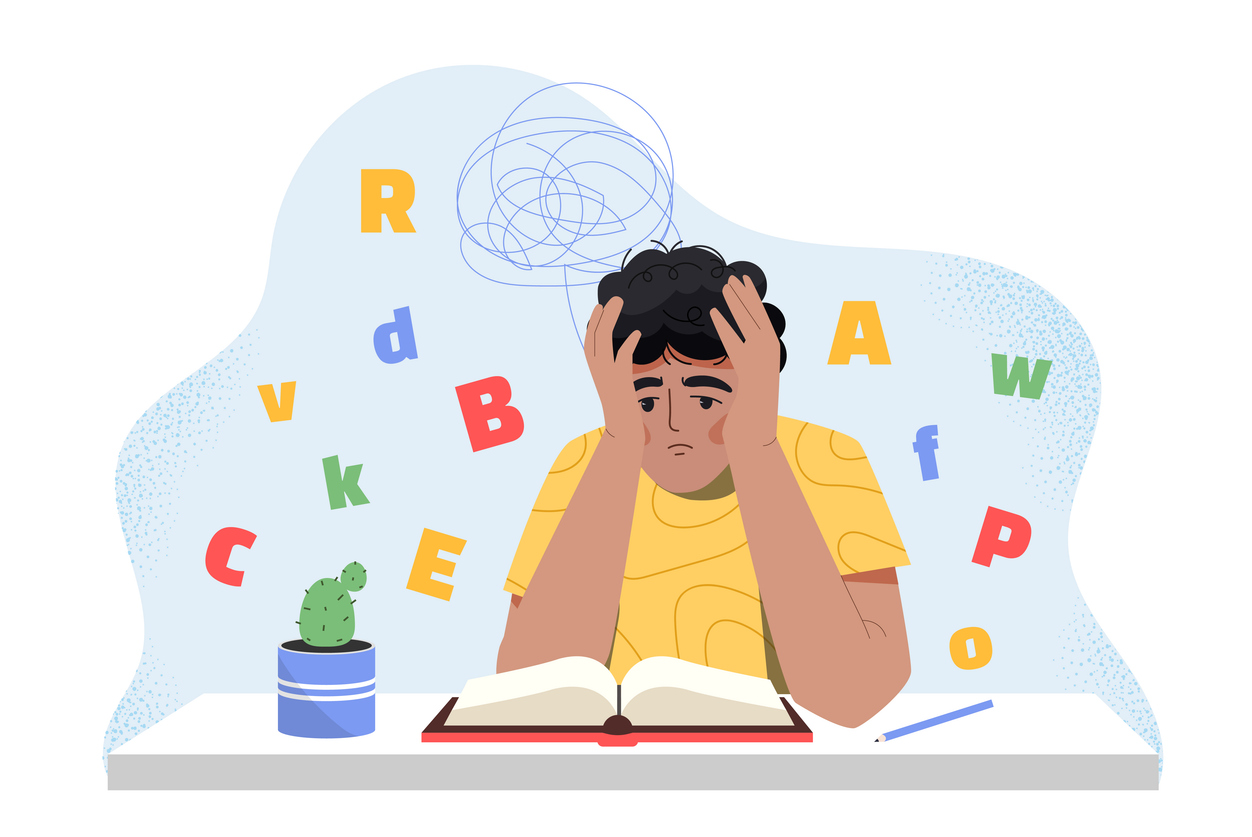
Depression is a treatable condition, and it differs from neurodevelopmental disorders like autism or ADHD, which last a person's entire life. Depression doesn't necessarily begin in childhood, but long-term experiences of depression play a significant role in shaping a person's identity. Let’s understand first what neurodivergent means.
What does it mean to be neurodivergent?
In neurodivergence, specific brain functions deviate from normal patterns. These differences occur in areas such as learning, focusing, expressing emotions, and understanding. The term was introduced in 1998 to help people understand that brain differences are a natural variation, not a problem that needs to be fixed.
Lack of proper social communication and displaying monotonous behavior are among the most common symptoms of people with neurodivergent conditions. Some of these include:
- ADHD (Attention Deficit Hyperactivity Disorder)
- Autism Spectrum Disorder
- Dyslexia and other learning difficulties
- Tourette Syndrome
- Down Syndrome
These conditions typically appear before birth or during early childhood and persist throughout life. They can be challenging, but they can also provide significant strengths, such as improved memory, pattern recognition, and attention to detail.
Community Perspectives and Ongoing Debates
The neurodivergent community continually debates the idea of depression as a neurodivergent condition. Part of the group argues that depression is not like autism, and this is because it can be cured, and often managed or resolved. However, others argue that many people experience permanent and recurrent depression, which in some way alters their brain's physiological processes.
People who experience chronic depression may report that depression is a significant part of their identity. They say they grew up with depression, used it as a lens, and their experiences have shaped their unique views.
How does depression affect the brain?
When someone is depressed, they often report differences in their thinking compared to others without depression. There’s confusion when processing information, a struggle to remember or understand it, or a general sense that things are “blurry”.
Unlike other neurodevelopmental conditions, depression can occur at any age, even after experiencing a difficult period in life. Symptoms of depression include:
- Living most days feeling like no meaning in life
- Losing pleasure in things that used to make you happy
- Changed eating and sleeping habits
- Feeling extremely tired
- Unable to concentrate
- Feeling worthless
Studies have shown that some people with depression have damage to the hippocampus, the part responsible for memory and learning. The amygdala goes into overdrive, causing emotions to become more intense and emotionally out-of-control. These changes are often similar to the changes in the brain that we observe and recognize when we talk about neurodivergence.
Brain chemistry associated with depression, such as changes in serotonin and dopamine neurotransmitters, influencea person's mood, which in turn, impacts a person's mental health, their ability to connect with friends and family, and even their daily activities.
The connection between depression and recognized neurodivergent conditions
Even if we disagree that depression is a neurodivergent condition, we cannot ignore the deep connection between the two. Neurotypical people are more likely to experience depression than non-neurodivergent people.
According to the data, most:
- People with autism are four times more likely to experience depression
- One-third of people with ADHD also experience depression and anxiety
Why Does This Happen?
There are several reasons why neurodivergent people are at higher risk of depression, the most common are:
Hiding and Exhaustion: Many neurodivergent people try to hide their true selves to fit into society. This becomes a significant stressor that weighs heavily on them, leading to burnout and depression.
Social Challenges: They have difficulty understanding social situations, which results in:
- Social rejection and exclusion
- Insensitive handling by others
- Harassment from peers
- Feeling isolated and lonely
Sensory Overload: Managing an overwhelming number of sights, sounds, and sensations is energy-intensive. This constant burden can contribute to mental health issues.
Late Diagnosis: Many people find out they are neurodivergent later in life. They often experience low self-confidence as they didn’t understand why they felt like an outsider, resulting in depression.
Child psychiatrists have reported numerous cases where low moods affect children's or teenagers' social lives. They usually tell families that it's normal to feel sad or upset when your brain is different. The good news is that a neurodivergent condition can be managed with support and treatment.
Finding Hope and Support
Whether or not depression is considered a neurodivergent condition, people must get the help and support they need. Both neurodivergent individuals and those with depression deserve understanding, respect, and appropriate care.
Embracing Personal Authenticity
Depressed, neurodivergent, or not, personal authenticity remains essential for every human being. Everyone has the right to express their true identity and maintain their inner identity.
You don't need a label to receive support and understanding for your personal challenges. Accurate classification isn't necessary, and a neurodivergent definition isn't essential for validation. Many neurodivergent people, such as those with autism and ADHD, also join communities for support with other mental health problems like anxiety and depression.
Getting the right support
Mental health professionals, such as board-certified psychiatrists, specialize in diagnosing and treating a variety of psychiatric conditions, including depression and neurodivergent conditions. Now, you have access to online psychiatrists, so you can get the right diagnosis and treatment no matter where you are. So, if you have a mentally challenging problem, you don't have to suffer in silence. Help is available. You can also consult an online child psychiatrist for information or a second opinion about your child's mental health.