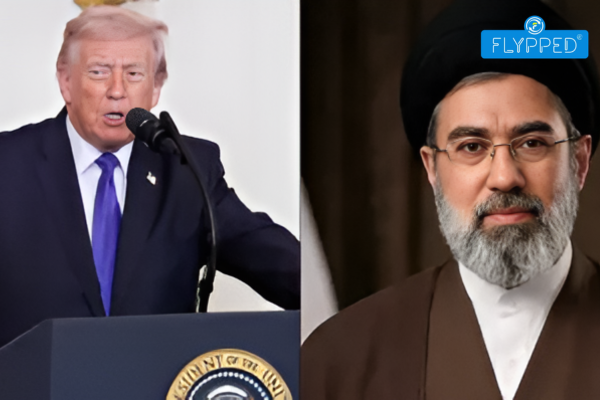
The political temperature in West Asia continues to rise as Iran and the United States remain locked in a serious standoff. In a major development linked to the growing West Asia conflict, Tehran has introduced a framework of conditions aimed at reducing hostilities and preventing a wider war.
These proposals widely discussed as Iran's 7 demands to end war reflect Iran’s attempt to reshape negotiations after years of sanctions, military pressure, and regional tensions. Analysts believe the move signals both diplomatic intent and strategic positioning as global powers watch closely.
Iran’s Seven Conditions
According to multiple reports, Iran has presented seven key demands that it believes are necessary for peace. The proposal comes after prolonged disagreements between Tehran and Washington over security, sanctions, and military presence in the region.
The demands reportedly include:
- Closure of US military bases across Gulf regions
- Complete removal of economic sanctions imposed on Iran
- Financial reparations for damages linked to past conflicts
- Guarantees against future military strikes
- Freedom to continue Iran’s ballistic missile program
- Ending military actions involving Israel and allied groups
- Greater control over strategic waterways such as the Strait of Hormuz
These conditions, commonly referred to as Iran's 7 demands to end war, highlight Tehran’s aim to strengthen its regional influence while seeking long-term security assurances.
Israel Factor Deepens Regional Tensions
The crisis cannot be viewed as a two-nation dispute alone. The ongoing Israel Iran war remains a central factor shaping negotiations. Iran has repeatedly accused the US of backing Israeli military operations, while Israel views Iran’s nuclear ambitions and missile capabilities as direct threats.
Because of this interconnected rivalry, any peace agreement between Washington and Tehran would likely require complex political compromises involving Israel. Experts warn that resolving one front of the conflict without addressing regional alliances may prove extremely difficult.
Political Signals and Uncertain Diplomacy
Debates in Washington have intensified, especially in discussions surrounding Trump Israel news, as former US President Donald Trump has expressed optimism about potential negotiations while also supporting a tougher stance on Iran’s military programs.
Despite ongoing diplomatic exchanges, neither side has fully accepted the other’s proposals. Tehran continues to reject restrictions on its missile program, while Washington views several Iranian demands as unrealistic. As reported by Flypped, this prolonged stalemate is keeping global markets volatile and security analysts worldwide on edge.
According to Iran's latest war news, the situation now stands at a delicate crossroads. Whether Iran's 7 demands to end war become a pathway to negotiations or deepen confrontation remains uncertain.
For now, the world continues to watch as diplomacy struggles against rising geopolitical pressure, a reminder that peace in West Asia depends not only on military strength but also on political compromise and mutual trust.