Running a medical equipment shop involves more than just offering top-tier medical devices to healthcare facilities. It requires ongoing efforts in maintaining and caring for the equipment, ensuring that the devices you sell are reliable, functional, and compliant with industry standards. Additionally, maintaining the shop itself—both the physical space and its operations—ensures that your customers receive quality products and service.
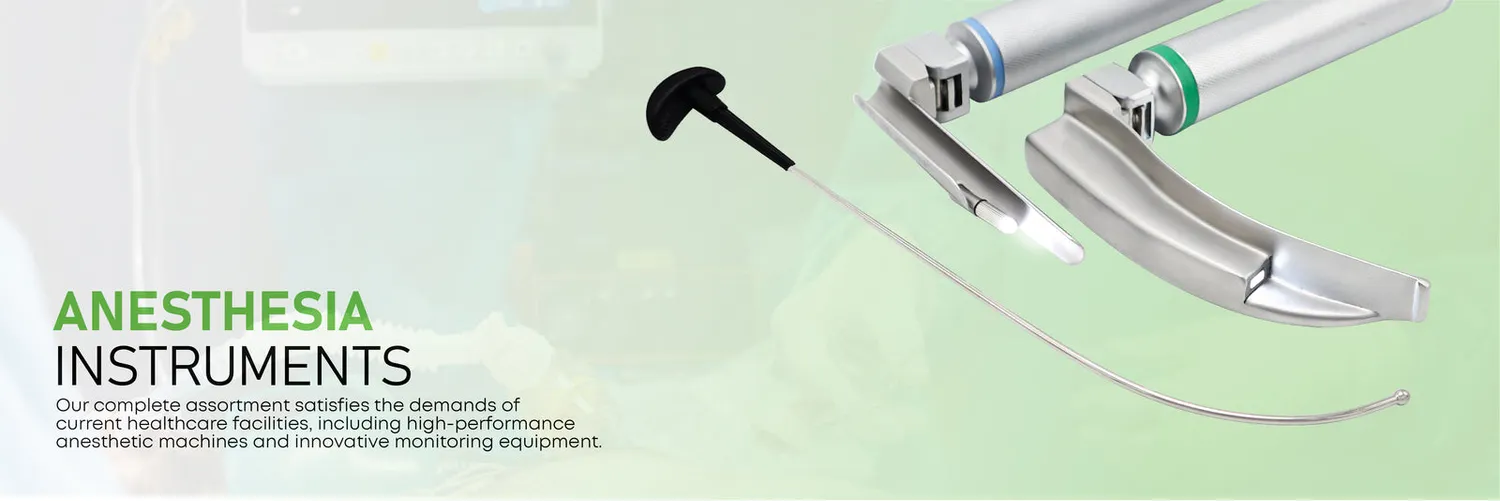
Here’s a guide on how to properly maintain and care for your medical equipment shop to build a successful, long-term business.
1. Ensure Regular Equipment Inspection and Maintenance:
One of the key aspects of a medical equipment shop is the equipment itself. Regular inspections and maintenance are crucial to ensure that all devices remain safe and functional for your clients.
Inspection Protocols:
- Check for Wear and Tear: Regularly inspect your medical equipment for any visible signs of damage, rust, or excessive wear and tear. Devices that are exposed to frequent use, such as diagnostic tools or patient monitoring systems, are particularly vulnerable to damage.
- Test for Accuracy: Ensure that diagnostic and monitoring equipment is consistently calibrated to provide accurate results. Calibration should be done as per the manufacturer's instructions, and verification procedures should be conducted regularly.
- Safety Checks: Medical equipment should meet regulatory safety standards. Verify that devices are functioning within safety specifications, including electrical safety for devices like defibrillators, ECG machines, or infusion pumps.
Maintenance Schedule:
- Routine Maintenance: Set up a maintenance schedule for each type of equipment. Some devices may require daily cleaning, while others may need monthly or annual inspections. Create a checklist to ensure every item is maintained properly.
- Replace Worn Parts: Some components, like cables or batteries, degrade over time. Replace parts before they become a problem, and use OEM (Original Equipment Manufacturer) parts whenever possible to ensure quality.
- Professional Services: For more complex medical equipment, it may be necessary to have licensed professionals perform maintenance. Establish relationships with certified repair services to handle specialized repairs.
2. Maintain a Clean and Organized Shop:
The cleanliness and organization of your medical equipment shop can greatly affect the overall customer experience and the condition of your equipment. A well-maintained environment helps extend the life of the equipment and prevents contamination, which is especially important for medical devices that will be used in patient care.
Shop Cleanliness:
- Sanitize Surfaces: Regularly sanitize the shop floor, countertops, and workspaces to avoid contamination. This is especially crucial if you’re selling devices that come into contact with patients, like thermometers or blood pressure cuffs.
- Dust-Free Environment: Dust can accumulate on medical devices, affecting their functionality. Use dust covers on equipment and clean your shop’s air conditioning filters to reduce dust buildup.
- Proper Ventilation: Ensure that your shop has proper ventilation, especially if you store equipment with sensitive electronics or chemicals. A clean environment helps maintain the equipment’s durability.
Organized Storage:
- Proper Shelving and Racking: Organize medical equipment neatly on shelves or racks, making it easy to find and access. Use clear labeling to identify different devices, and separate equipment based on their categories (e.g., diagnostic tools, surgical instruments, etc.).
- Inventory Management: Implement an inventory management system to track the equipment in your shop. This can be done manually, or you can invest in inventory management software that alerts you when stock is low, when repairs are needed, or when items are out of service.
3. Comply with Regulatory Standards:
The medical equipment industry is highly regulated, and compliance is key to maintaining your shop’s reputation and avoiding legal issues. In many countries, medical devices must meet specific regulations to be sold to healthcare providers or institutions.
Regulatory Compliance:
- Understand Local Regulations: Ensure that you are familiar with and follow all local, regional, and national regulations regarding the sale, maintenance, and disposal of medical equipment. For example, in the U.S., devices sold to healthcare facilities must be FDA-approved.
- Certifications and Documentation: Maintain the necessary certification for each piece of equipment, ensuring they meet regulatory standards. Keep records of inspections, repairs, and any certifications received by the manufacturers.
- Proper Disposal Practices: Properly dispose of any medical equipment that is obsolete, damaged, or no longer compliant with regulatory standards. Follow the rules for disposing of hazardous materials, including batteries and any equipment containing sensitive chemicals.
4. Offer Ongoing Staff Training:
Your staff plays an essential role in maintaining the quality of the equipment you sell and ensuring the smooth operation of the shop. Regular training on handling equipment, customer service, and safety protocols ensures that your team is well-prepared for their responsibilities.
Employee Training Programs:
- Product Knowledge: Regularly train your staff on the technical specifications, usage, and maintenance of the medical equipment you sell. Knowledgeable employees can provide better customer service, assist in making appropriate recommendations, and answer technical questions about the devices.
- Handling and Cleaning: Ensure that your staff is trained on how to handle equipment carefully to avoid damage, as well as the correct cleaning and sanitization procedures. Proper handling is critical for preventing damage to sensitive or expensive equipment.
- Customer Interaction: Equip your staff with customer service training so they can effectively assist clients, demonstrate products, and address any concerns or inquiries. Providing excellent customer support can help build a loyal client base.
5. Implement Robust Inventory and Order Management:
Effective inventory management is a cornerstone of a successful medical equipment shop. By keeping track of your stock levels and managing orders efficiently, you ensure that you always have the equipment your customers need in stock.
Inventory Tracking:
- Automated Systems: Invest in inventory management software that tracks the stock of each product in real-time, manages orders, and alerts you when it's time to reorder or restock.
- Regular Audits: Perform periodic physical audits to ensure the stock matches the data in your system. This will help you catch any discrepancies early and prevent stockouts.
- Maintain Proper Stock Levels: For medical shops, it's critical to stock both high-demand items and hard-to-find specialized equipment. Striking the right balance will ensure your shop is well-equipped to handle diverse customer needs.
Efficient Order Fulfillment:
- Fast Delivery: Offering timely delivery services for medical equipment is crucial. Having a streamlined order fulfillment system and clear delivery procedures ensures that clients receive the products they need without delays.
- Shipping and Packaging: Ensure that the packaging of your medical equipment is secure and protects devices during transit. Use appropriate packing materials and ensure products are properly sealed to maintain their quality.
6. Maintain Excellent Customer Service:
Customer service is key to the success of any business, and in the medical equipment field, providing exceptional service can foster trust and loyalty among your clients.
Customer Support:
- Knowledgeable Staff: Your staff should be able to provide guidance and support in choosing the right equipment, answering questions about device usage, and offering troubleshooting tips.
- After-Sales Support: Offer after-sales services, such as equipment servicing, warranties, and repair assistance. Knowing that customers can rely on you for continued support after the sale can differentiate your shop from competitors.
- Returns and Repairs: Have clear policies in place for returns and repairs, especially for faulty or damaged equipment. A fair and transparent policy will build trust with your customers.
Conclusion:
Maintaining and caring for your medical equipment shop is not just about keeping devices in good working condition—it’s about creating a smooth, organized, and professional environment that meets the needs of healthcare providers and institutions. Regular equipment inspections, adhering to regulatory standards, offering expert customer support, and maintaining a clean and organized shop are all crucial components of running a successful medical equipment business. By investing in these areas, you ensure that your business remains competitive, compliant, and capable of providing high-quality service to your customers.