In the fast-paced and high-pressure environment of hospitals, efficiency and precision are essential in every medical procedure. From intubations in emergency rooms to routine surgeries in operating theaters, healthcare professionals rely on a wide range of tools and equipment to perform their tasks.
One such tool, the laryngoscope, plays a vital role in visualizing a patient's airway during intubation, but the traditional method of reusing laryngoscope handles presents challenges related to cleaning, sterilization, and, ultimately, patient safety. Single-use laryngoscope handles have emerged as a solution, offering a streamlined approach that enhances operational efficiency, reduces risks, and ensures smooth patient care.
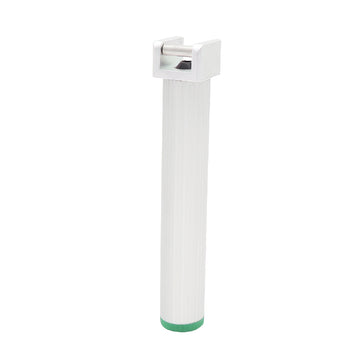
What Are Single-Use Laryngoscope Handles?
Single-use laryngoscope handles are disposable devices designed for one-time use in medical procedures. Unlike traditional reusable laryngoscope handles that require cleaning, sterilization, and reprocessing after each use, single-use handles come pre-sterilized and ready for immediate use. Once used, the handle is discarded, eliminating the need for time-consuming sterilization processes.
These handles are typically packaged in a sterile, ready-to-use condition, ensuring that healthcare professionals can access clean, safe instruments without delay. This innovation streamlines workflows, particularly in high-pressure environments like operating rooms or emergency care settings, where quick, efficient, and sterile equipment is critical.
How Single-Use Laryngoscope Handles Streamline Medical Procedures:
Improved Efficiency in Emergency Situations: In emergency medical situations, time is of the essence. Every second counts when performing life-saving procedures, and the last thing healthcare providers need is a delay in accessing sterile equipment. Single-use laryngoscope handles eliminate the need for sterilization, making them immediately available for use when needed. Healthcare professionals can quickly grab a sterile handle from the supply shelf, without wasting time on cleaning and disinfecting reusable tools. This streamlines procedures like intubations, especially in high-stress situations such as trauma care or emergency surgeries.
Simplified Workflow for Medical Staff: Traditional reusable laryngoscope handles require a detailed and thorough cleaning process between uses. This can be time-consuming, requiring multiple steps like disassembly, cleaning, and sterilization. In busy healthcare settings, these tasks can create unnecessary bottlenecks in the workflow. With single-use handles, the process is simplified: staff use the handle once and dispose of it after the procedure. This eliminates the need for staff to allocate time for sterilizing and reprocessing equipment, allowing them to focus on patient care and other essential tasks. The streamlined workflow enhances productivity and ensures that procedures are carried out efficiently and without delay.
Ensuring Sterility with Every Use: Maintaining sterility is one of the most critical aspects of medical procedures. Contaminated equipment can lead to serious infections and complications, potentially extending hospital stays or even resulting in fatalities. Single-use laryngoscope handles are individually packaged in sterile conditions, ensuring that they are free from any pathogens or contaminants. Since the handles are only used once and then discarded, there is no risk of residual bacteria or viruses being transmitted to other patients, as can happen with reusable handles, even with rigorous cleaning protocols. This guarantees that each patient receives the highest level of safety during their procedures.
Reduction in Risk of Cross-Contamination: Cross-contamination is a constant concern in healthcare settings, especially when dealing with reusable medical equipment. Laryngoscope handles, with their intricate parts and designs, can be challenging to clean thoroughly. Even the most meticulous cleaning process may leave pathogens behind, putting patients at risk. Single-use laryngoscope handles eliminate this risk entirely. Since they are used only once, there is no opportunity for harmful microorganisms to spread from one patient to another. This reduction in cross-contamination is especially crucial in sensitive environments like operating rooms and intensive care units, where patients are already at a higher risk of infection.
Cost Savings Over Time: While single-use laryngoscope handles may have a higher initial cost than reusable options, they can be more cost-effective in the long run. The expense associated with cleaning, sterilizing, and maintaining reusable laryngoscopes—both in terms of time and resources—can add up quickly. Additionally, the potential costs associated with treating hospital-acquired infections (HAIs) due to cross-contamination can far exceed the cost of single-use devices. By eliminating the need for cleaning and sterilization, healthcare facilities can save money in operational costs, making single-use laryngoscopes a worthwhile investment in the long term.
Ease of Stock Management: Managing a hospital's inventory of reusable medical instruments can be a complex and time-consuming task. Reusable laryngoscopes must be carefully tracked, cleaned, and sterilized, all of which require ongoing attention from staff. With single-use laryngoscope handles, inventory management becomes much simpler. These handles are disposable, and their usage is straightforward. Healthcare facilities can stock single-use handles in bulk, ensuring a consistent and sufficient supply for all procedures. This reduces the chances of shortages or delays in patient care and simplifies logistics and supply chain management.
Increased Patient Throughput: When procedures are streamlined, patient throughput increases. Single-use laryngoscope handles contribute to this efficiency by eliminating the time required for reprocessing reusable tools. Healthcare professionals can perform more procedures in less time, improving patient flow and reducing wait times. This is especially beneficial in busy healthcare facilities, where maximizing the use of resources and minimizing delays can have a significant impact on overall patient care.
Environmental Considerations and Innovations:
While single-use products have been criticized for their environmental impact, many manufacturers are addressing these concerns by creating biodegradable or recyclable single-use laryngoscope handles. By using materials that are easier to dispose of responsibly, these products can help mitigate the environmental footprint of medical waste. Additionally, healthcare facilities can implement recycling programs to further reduce waste, ensuring that their use of single-use devices aligns with sustainability goals.
Conclusion:
Single-use laryngoscope handles are transforming the way medical procedures are conducted, offering numerous benefits that streamline workflows, enhance patient safety, and improve overall operational efficiency. By reducing the time spent on sterilization, ensuring the sterility of each handle, and eliminating the risks of cross-contamination, these handles help healthcare professionals perform their jobs with greater speed and accuracy. Furthermore, they provide cost savings in the long term while also allowing hospitals to manage inventory more easily. As healthcare practices continue to evolve, single-use laryngoscope handles represent a step toward a more efficient, safer, and streamlined approach to patient care.