Starting a fiber cement board manufacturing business is a smart move in today’s rapidly growing construction and infrastructure sector. With rising demand for durable, fire-resistant, and eco-friendly building materials, entrepreneurs and investors are increasingly exploring opportunities in this segment. A well-planned Cement Wall Panel Plant can offer long-term profitability and scalable growth when set up correctly. This comprehensive checklist will guide you through every critical aspect required to establish a successful manufacturing unit.
1. Understanding the Fiber Cement Board Market
Before investing, it is essential to understand market demand. Fiber cement boards are widely used in residential, commercial, and industrial construction due to their strength, moisture resistance, termite resistance, and low maintenance.
Key demand drivers include:
- Rapid urbanization and infrastructure development
- Preference for lightweight and durable wall panels
- Increased focus on sustainable construction materials
- Growing use in prefabricated and modular buildings
Understanding customer needs and regional demand will help you plan capacity and product specifications.
2. Business Planning & Feasibility Analysis
A detailed project report (DPR) is the backbone of your manufacturing venture. This document should include:
- Market research and competitor analysis
- Estimated capital investment
- Plant capacity and scalability
- Operating costs and profit margins
- Break-even analysis
A well-prepared feasibility study not only minimizes risk but also helps in securing funding from banks and financial institutions.
3. Location Selection for the Manufacturing Plant
Choosing the right location plays a major role in operational efficiency and logistics. Consider the following factors:
- Availability of raw materials like cement, silica, and cellulose fiber
- Proximity to target markets
- Easy access to transportation and utilities
- Availability of skilled and semi-skilled labor
- Compliance with industrial zoning regulations
An optimally located plant reduces transportation costs and ensures smooth supply chain management.
4. Legal Approvals & Regulatory Compliance
To operate legally, ensure all mandatory approvals are obtained:
- Company registration and factory license
- Pollution Control Board clearance
- Environmental impact assessment (if applicable)
- Fire safety and labor law compliance
- GST registration
Meeting regulatory requirements on time prevents delays and penalties during operations.
5. Raw Materials Required for Fiber Cement Boards
High-quality raw materials are essential for producing durable and consistent wall panels. Commonly used materials include:
- Ordinary Portland Cement
- Silica sand or fly ash
- Cellulose fiber
- Water and chemical additives
Reliable sourcing of raw materials ensures uninterrupted production and consistent product quality in order to build a profitable and future-ready Cement Wall Panel Plant.
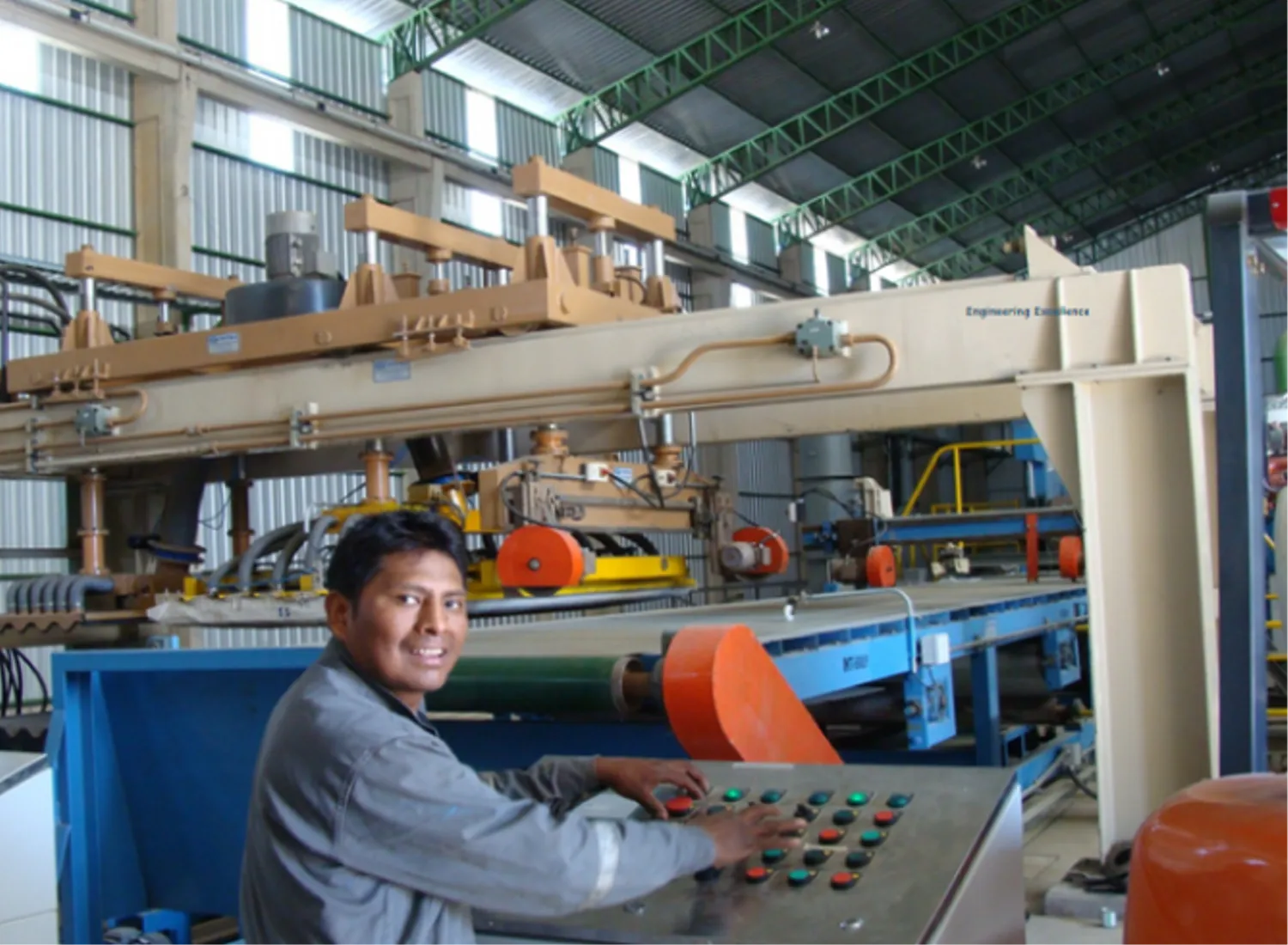
6. Machinery & Equipment Selection
Machinery determines production capacity, automation level, and product finish. Key equipment required includes:
- Raw material batching and mixing system
- Sheet forming or Hatschek machine
- Pressing and curing system
- Cutting, trimming, and finishing machines
- Quality testing equipment
Choosing advanced machinery improves efficiency, reduces wastage, and ensures uniform panel strength.
7. Manufacturing Process Overview
The production process of fiber cement boards typically involves:
- Accurate batching and mixing of raw materials
- Sheet formation using automated systems
- Pressing to achieve required thickness and density
- Controlled curing for strength development
- Cutting and surface finishing
Strict quality control at every stage ensures compliance with industry standards.
8. Workforce & Skill Requirements
A balanced workforce improves productivity and quality. Required manpower includes:
- Machine operators
- Quality control technicians
- Maintenance engineers
- Supervisors and production managers
Providing training and safety awareness programs enhances operational efficiency and reduces downtime.
9. Quality Control & Product Certification
Consistency and compliance are key to long-term success. Quality checks should focus on:
- Thickness and density uniformity
- Moisture and fire resistance
- Bending strength and durability
- Dimensional accuracy
Obtaining certifications helps build trust and expands market reach.
10. Marketing & Distribution Strategy
Even the best product needs effective promotion. Consider the following channels:
- Dealer and distributor network
- Direct sales to builders and contractors
- Online B2B platforms
- Trade fairs and exhibitions
Highlight benefits such as durability, sustainability, and cost-effectiveness to stand out in the competitive market.
11. Cost, ROI & Profitability Analysis
The investment in a fiber cement board plant depends on capacity and automation level. Major cost heads include:
- Land and building
- Machinery and installation
- Raw materials
- Labor and utilities
With proper planning, the payback period is attractive due to growing demand and healthy profit margins.
Scaling a Cement Wall Panel Plant for Long-Term Growth
As demand increases, scalability becomes crucial. A well-designed Cement Wall Panel Plant allows capacity expansion through automation upgrades, additional production lines, and diversified product offerings. Strategic scaling ensures sustained profitability and market leadership.
12. Sustainability & Environmental Benefits
Fiber cement boards support green construction by offering:
- Long life cycle
- Low maintenance requirements
- Reduced material wastage
- Compatibility with eco-friendly building practices
Promoting sustainability enhances brand value and aligns with modern construction trends.
13. Common Challenges & How to Overcome Them
Some common challenges include:
- Raw material price fluctuations
- Quality consistency issues
- Equipment maintenance
These can be managed through long-term supplier contracts, preventive maintenance, and skilled manpower.
Conclusion
Starting a fiber cement board manufacturing business requires strategic planning, reliable machinery, skilled manpower, and strong market understanding. By following this ultimate checklist, entrepreneurs can build a profitable and future-ready Cement Wall Panel Plant that meets growing construction demands while ensuring long-term sustainability and business growth.
Other Recommendations: Plant & Machinery To Produce Fiber Cement Board