In recent years, India has seen a massive shift toward smart and sustainable construction materials. Among these, AAC (Autoclaved Aerated Concrete) blocks have emerged as a top choice for eco-friendly building. With the rising demand, manufacturers are adopting new and advanced technologies in AAC block manufacturing machine systems to enhance speed, efficiency, and sustainability.
AAC block machinery has evolved from basic production systems to fully automated, AI-driven, and energy-efficient machines. These innovations are reducing carbon emissions, minimizing waste, and promoting green development across India.
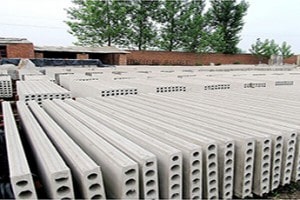
Why AAC Blocks Are the Future of Sustainable Construction
AAC blocks are lightweight, high-strength, and excellent thermal insulators. Compared to traditional clay bricks, AAC blocks require less energy for production and contribute to lower greenhouse gas emissions. This makes them a perfect fit for India’s growing green building movement, led by major certifications like IGBC & GRIHA.
Some major environmental benefits of AAC blocks include:
- Reduced CO₂ emissions during manufacturing
- Recycled raw materials like fly ash usage
- Lower energy consumption for cooling/heating buildings
- Zero soil depletion unlike clay bricks
- Better acoustic and fire resistance
With such benefits, the role of advanced AAC block machinery has become crucial in boosting production capacities without harming the environment.
Latest Innovations Transforming AAC Block Machinery in India
Technological advancements in AAC block equipment are helping manufacturers reduce cost, human intervention, and environmental footprint. Here are some of the top innovations:
1️. Fully Automatic Production Lines
The shift from manual and semi-automatic setups to fully automatic AAC block manufacturing plants is improving:
- Production speed
- Dimensional accuracy
- Safety and consistency
- Reduced manpower requirement
Automation reduces errors and raw material wastage, resulting in higher output with lower operational costs.
2️. AI-Powered Monitoring & Smart Quality Control
Modern machines now use:
- AI & IoT-based sensors
- Real-time data monitoring dashboards
- Predictive maintenance tools
These features help operators track density, curing conditions, and cutting precision — ensuring top-grade AAC blocks ready for large-scale construction.
3️. Energy-Efficient Autoclaves
New-generation autoclaves now include:
Better steam circulation systems
Low-power heating elements
Heat recovery units
These help reduce the plant’s total energy consumption by nearly 30–40%.
4️. Zero-Waste Material Handling Systems
Innovations like:
- Slurry recycling units
- Automated dosing equipment
- Precision batching systems
have eliminated raw material waste almost entirely. Leftover slurry is recycled back into the production cycle, making the process cleaner and greener.
5️. High-Speed Wire Cutting Machines
Advanced cutting machines deliver:
- Sharp finishing
- Higher dimensional accuracy
- Reduced breakage rate
This ensures minimal material loss and better stacking efficiency.
6️. Renewable Energy Integration
Many modern AAC plants are integrating:
Solar power
Biomass-based steam generation
This reduces coal or diesel usage and significantly cuts carbon footprint.
7️. Advanced Curing Technology
New curing innovations:
- Reduce steam usage
- Improve hydration efficiency
- Accelerate production cycles
Better curing = stronger AAC blocks + lower energy consumption.
8️. Cloud-Integrated Plant Management
Manufacturers can now:
- Access real-time production reports
- Monitor machine performance remotely
- Optimize energy usage from anywhere
This digital transition supports Industry 4.0 principles in construction manufacturing.
The Importance of AAC Block Technology in India’s Green Mission
India aims to become a global leader in sustainable infrastructure. Government policies such as:
Smart Cities Mission
Housing for All
Energy-efficient building codes
promote eco-friendly materials like AAC blocks.
As the demand increases, advanced machinery ensures:
Stable supply of green building material
Affordable housing construction
Reduced pollution and landfill waste
AAC block manufacturing machine is the backbone of this transformation, enabling scalable and sustainable production for growing infrastructure needs.
Key Benefits of Modern AAC Manufacturing Machines
Less pollution: Lower CO₂ emissions during production
Reduced operational cost: Lower energy and raw material use
High automation: Faster output & lower manpower
Better quality: Stronger, lightweight blocks
Recyclability: Zero waste manufacturing
These improvements ensure better performance compared to traditional brick kilns, which contribute significantly to air pollution.
How Leading AAC Machinery Manufacturers Are Supporting Growth
Reputable AAC block machine suppliers in India now offer:
- Complete turnkey solutions
- Plant layout design & installation support
- Operator training & after-sales service
- Custom production capacity options
This helps entrepreneurs and builders confidently invest in the AAC industry with strong business potential and sustainability impact.
Future Outlook: What’s Next for AAC Machinery?
Upcoming innovations expected in the industry:
Hydrogen fuel-based curing systems
Robotic machinery for zero manual handling
Lower carbon emissions per block ratio
Blockchain-driven supply chain traceability
These advancements will enhance the circular economy model and accelerate India's path toward carbon neutrality.
Conclusion
As India continues to embrace green construction, innovations in AAC block machinery are playing a major role in reducing environmental impact. The adoption of highly automated and energy-efficient solutions ensures:
- Higher productivity
- Better quality AAC blocks
- Eco-friendly construction practices
A modern AAC block manufacturing machine helps builders and manufacturers shift from traditional polluting materials to cleaner, sustainable alternatives — supporting India’s goal of a greener future.
Other Recommendations: Heavy Engineering Equipment