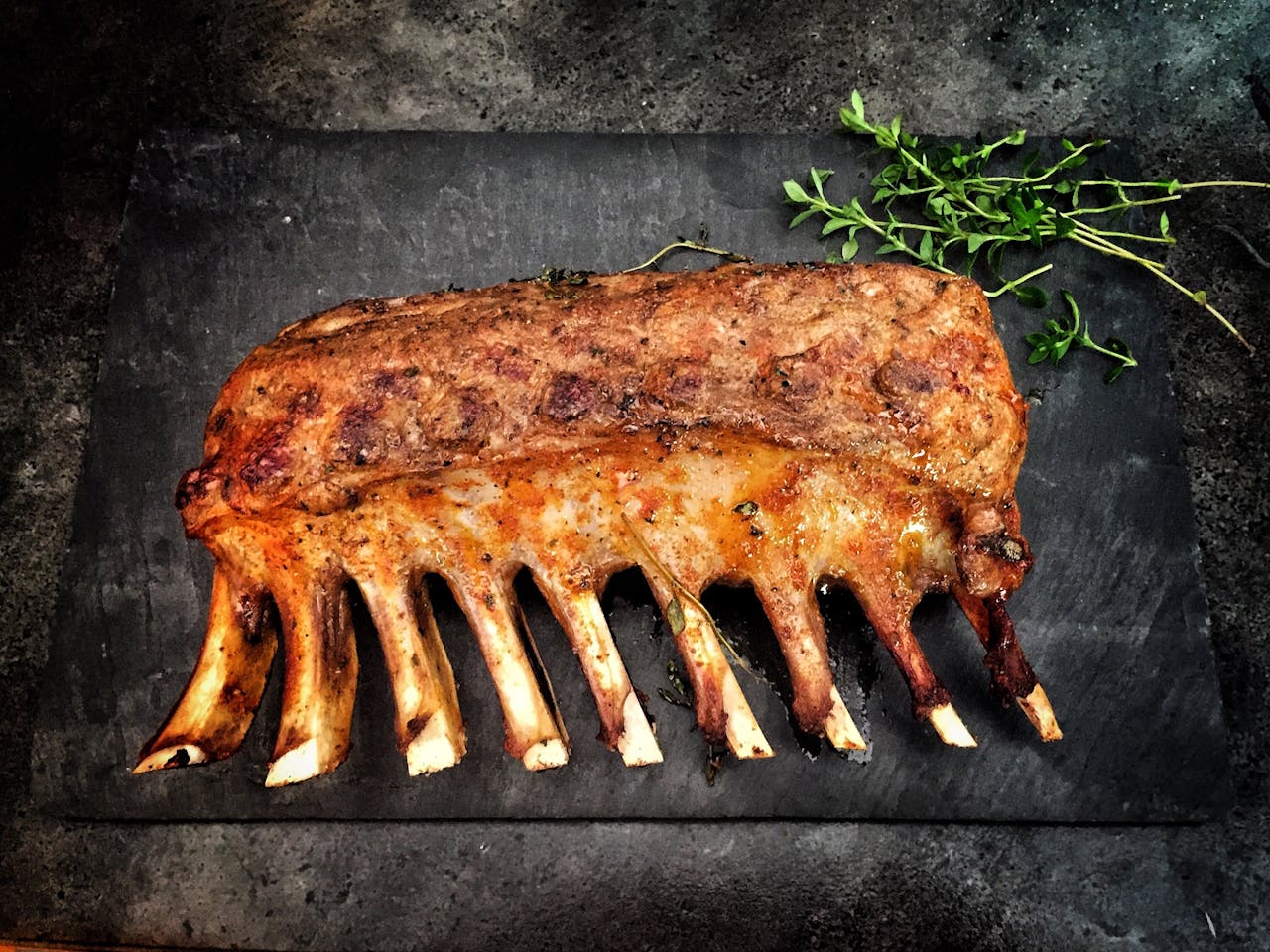
Halal Meat: A Closer Look
Halal Meatis a term that has gained increasing prominence in recent years. As dietary preferences and awareness of food sourcing grow, understanding halal meat becomes essential. Let's delve into what halal truly means, its significance, and the process involved.
What is Halal Meat?
Halal is an Arabic word meaning "permissible" or "lawful." In the context of food, it refers to meat and other products that are prepared according to Islamic dietary guidelines. Halal meat is derived from animals that have been slaughtered in a specific way, ensuring that the blood is drained completely.
The Halal Slaughter Process
The method of slaughtering animals for halal meat is crucial. It involves the following steps:
- Animal Welfare: The animal must be treated humanely before and during the slaughter process.
- Slaughter by Hand: A skilled butcher makes a swift incision to sever the carotid artery, jugular vein, and windpipe.
- Blood Drainage: The animal's blood is completely drained to ensure purity.
- Invocations: Specific invocations are recited during the slaughter process.
The Importance of Halal Certification
To ensure the authenticity of halal meat, many countries have implemented halal certification systems. These certifications guarantee that the meat complies with Islamic dietary laws and has been processed in hygienic conditions.
Benefits of Consuming Halal Meat
While halal meat is primarily observed by Muslims, it offers benefits to consumers of all faiths:
- Animal Welfare: The halal slaughter process emphasizes humane treatment of animals.
- Food Safety: Strict hygiene standards are often associated with halal meat production.
- Quality Assurance: Halal certification provides a level of quality assurance.
Halal Meat Beyond Beef
While beef is often associated with halal meat, it's essential to note that other meats like lamb, chicken, and fish can also be halal. Many processed food products, such as sausages and meatballs, are also available in halal versions.
Halal Meat and Global Markets
The demand for halal meat has grown significantly, leading to the expansion of the global halal food industry. This growth reflects the increasing Muslim population and the growing awareness of halal as a dietary choice.
Challenges and Opportunities
The halal meat industry faces challenges such as ensuring consistent quality, addressing supply chain issues, and catering to diverse consumer preferences. However, it also presents significant opportunities for businesses to tap into the growing halal market.
As consumer awareness about halal meat continues to rise, it's likely to become an increasingly integrated part of the global food landscape.