
As an amateur interior designer, I've always been captivated by the transformative power of spaces. There's something magical about walking into a room and feeling an immediate shift in your mood or energy. Over the years, I've immersed myself in various design techniques, learning the basics of modern architecture and embracing the timeless 'less is more' philosophy. But recently, I stumbled upon a concept that's completely revolutionised my perspective on interior design: the MUMA method.
I was doing my usual rounds of design blogs, seeking inspiration for my latest project, when I came across a post by Mariel Murias, an architect specialising in interior design. She was announcing the release of her book, "The Multisensory Home: Awaken Your Senses with the MUMA Method." Intrigued, I began reading, and with each paragraph, I found myself more and more engrossed. By the end, I was thinking, "Of course! Why didn't I think of this before?"
The concept of sensory interior design isn't entirely new. We've long known that colours can affect mood, that certain scents can be calming or invigorating, and that the right lighting can make or break a space. But Mariel's approach takes this understanding to a whole new level. She talks about creating a home environment that engages all five senses, plus our intuition. It's not just about how a space looks, but how it feels, sounds, smells, and even tastes. As someone who's always strived to create harmonious spaces, this multisensory approach resonated deeply with me.
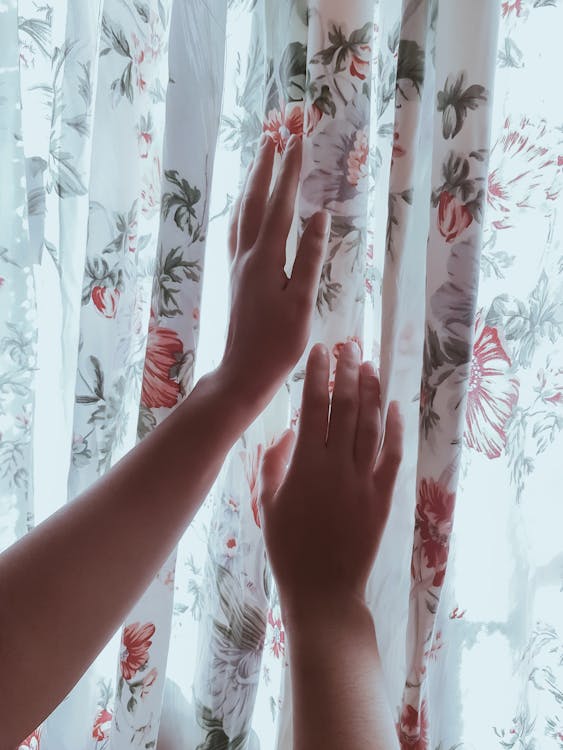
What really caught my attention was how Mariel broke down the process into manageable steps. She starts with sight, emphasising the importance of natural light and colour schemes that promote calm and concentration. This aligns with what I've learned about the psychology of colour, but Mariel takes it further, suggesting ways to maximise natural light and choose colours that not only look good but feel good too.
Then she moves on to sound, suggesting the creation of a 'sound zone' with carefully curated playlists that promote concentration. This was a revelation to me. I've always considered the visual and tactile elements of a space, but I'd never really thought about designing with sound in mind. The idea of creating a specific area where you can control the auditory environment is brilliant, especially in our increasingly noisy world.
The inclusion of touch was particularly interesting to me. I've always known that texture matters in design - the softness of a rug underfoot, the smoothness of a polished wood surface - but I'd never considered it from an ergonomic perspective before. Mariel talks about prioritising furniture that promotes correct posture and relieves physical strain. It's a reminder that good design isn't just about aesthetics; it's about creating spaces that support our physical well-being too.
But it was her approach to taste and smell that really opened my eyes to new possibilities in sensory interior design. The idea of a 'snack station' with healthy, energising options isn't something I'd ever considered as part of interior design, but it makes perfect sense. After all, what we eat affects our energy levels and cognitive function, so why shouldn't it be part of our design considerations? And the use of aromatherapy to enhance productivity and mental clarity? Brilliant! I've used scented candles in my designs before, but always as an afterthought. Mariel's approach puts scent at the forefront, using it as a tool to create specific moods and enhance the overall experience of a space.

As I read through Mariel's post, I couldn't help but reflect on my own home workspace. Sure, I'd chosen a nice colour scheme and some comfortable furniture, but had I really considered how the space engaged all my senses? Was I truly creating an environment that enhanced my creativity and productivity? I realised that while I'd made a good start, there was so much more I could do to create a truly nurturing and inspiring space.
The MUMA method seems to offer a holistic approach to sensory interior design that goes beyond aesthetics. It's about creating a space that not only looks good but feels good on every level. It's about designing with intention, considering how each element in a room affects our senses and, by extension, our mood and productivity. This resonates with me on a deep level. As designers, isn't our ultimate goal to create spaces that enhance people's lives?
What I find most appealing about this approach is its flexibility. Mariel emphasises the importance of personal preferences and sensitivities, encouraging readers to tailor their environments to their individual needs. This aligns perfectly with my design philosophy. After all, isn't the goal of good design to create spaces that work for the people who inhabit them? One person's perfect workspace might be another's nightmare, so it's crucial to consider individual needs and preferences.
I'm particularly intrigued by Mariel's mention of the sixth sense - intuition. As designers, we often rely on our intuition when making decisions, but I've never thought about actively designing spaces that nurture and enhance intuition. It's an exciting concept that I'm eager to explore further.
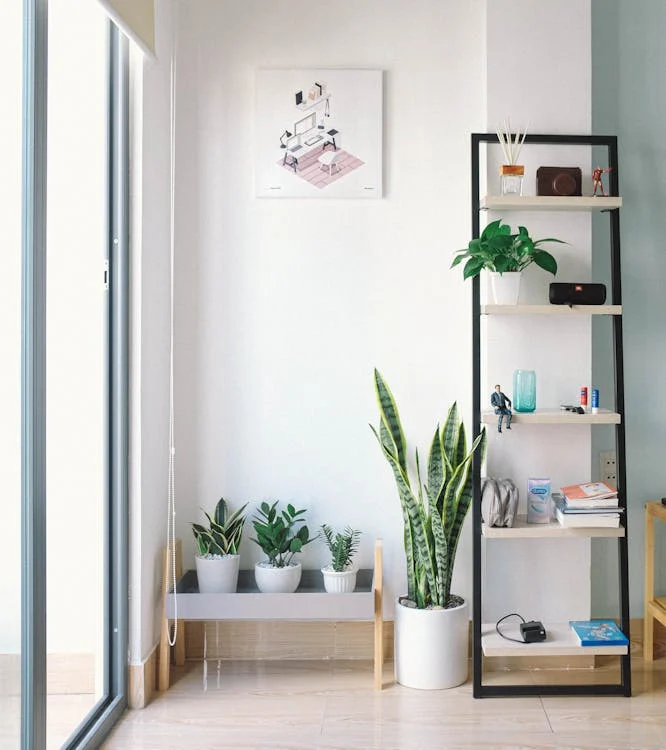
The integration of nature into interior spaces is another aspect of the MUMA method that resonates with me. I've always been an advocate for bringing the outdoors in, whether through houseplants, natural materials, or simply maximising views of outdoor spaces. But Mariel's approach seems to take this to a new level, suggesting ways to use natural elements to engage all the senses. I'm excited to explore new ways of incorporating nature into my designs, beyond just visual elements.
As an amateur designer, I'm always looking for new ways to improve my skills and broaden my understanding of interior design. The MUMA method seems like it could be a game-changer, offering a structured yet flexible approach to creating truly transformative spaces. It's not just about making rooms look pretty; it's about creating environments that support and enhance our daily lives on multiple levels.
I'm eagerly awaiting my copy of "The Multisensory Home." I can't wait to dive deeper into the MUMA method and start applying these principles to my own home and design projects. Who knows? Maybe this will be the key to taking my amateur designs to the next level. I'm particularly excited to learn more about how to balance and harmonise different sensory elements within a space. How do you create a room that engages all the senses without becoming overwhelming? How do you design for multiple people with different sensory preferences? These are questions I hope the book will help me answer.
In the meantime, I'm already looking at my space with fresh eyes, considering not just how it looks, but how it engages all my senses. I'm experimenting with some of Mariel's suggestions, starting with my home office. I've moved my desk closer to the window to maximise natural light, and I'm in the process of creating a 'sound zone' with a small speaker and a playlist of focus-enhancing music. I've also started paying more attention to the scents in my space, using a diffuser with energising essential oils during my work hours.
These small changes have already made a noticeable difference in how I feel in my space. I find myself more energised and focused during work hours, and more relaxed when it's time to wind down. It's amazing how much of a difference these sensory considerations can make.
If you're interested in interior design, whether professionally or just for your own home, I highly recommend checking out Mariel Murias and her MUMA method. It's a fascinating approach to sensory interior design that could revolutionise the way we think about our living spaces. After all, our homes should be more than just visually appealing – they should be havens that nurture our well-being on every sensory level.
I'm excited to continue my journey into sensory interior design and to see how the MUMA method can enhance my design practice. It's a reminder that as designers, we have the power to create spaces that not only look beautiful but also support and enhance the lives of those who inhabit them. And isn't that what great design is all about?
So here's to creating spaces that delight all our senses, that support our well-being, and that truly feel like home. I can't wait to see where this new approach to sensory interior design takes me – and I hope it inspires you to look at your own spaces in a new light too. After all, every room has the potential to be a multisensory haven. It's up to us to unlock that potential.