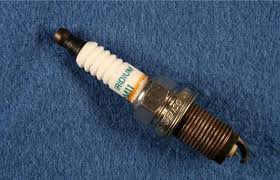
If you've ever wondered about how often you should replace spark plugs, you're not alone. These small but mighty components play a crucial role in your vehicle's performance, and neglecting them can lead to a variety of problems—from poor fuel efficiency to engine misfires. But how do you know when it's time to change them? And what signs should you be looking for?
In this guide, we’ll break down the importance of spark plugs, how often they should be changed, warning signs to watch for, and expert tips to keep your engine running smoothly.
What Are Spark Plugs, and Why Are They Important?
Spark plugs are essential components in your vehicle's ignition system. They sit at the top of each cylinder and are responsible for igniting the air-fuel mixture that powers the engine. When your spark plugs fire properly, your car runs smoothly. But when they’re worn out or faulty, you’ll start noticing performance issues that can lead to costly repairs if left unchecked.
Even though spark plugs are small, they work under extreme pressure and temperature, which means they can wear out over time and need to be replaced periodically.
How Often Should You Change Spark Plugs?
The general rule of thumb is to change your spark plugs every 30,000 to 100,000 miles, depending on the type of plugs and your vehicle's manufacturer recommendations. That’s quite a wide range, so let’s dig deeper.
1. Copper Spark Plugs
Copper spark plugs are the most basic and inexpensive type, but they also have the shortest lifespan—typically around 20,000 to 30,000 miles. They offer good performance, especially for older vehicles, but wear out quicker due to their soft metal construction.
2. Platinum Spark Plugs
These last longer than copper plugs and are more heat-resistant. Platinum spark plugs usually need replacing every 60,000 miles, although some manufacturers might recommend earlier intervals depending on the engine.
3. Iridium Spark Plugs
Iridium plugs are the most durable and are often used in modern vehicles. They can last up to 100,000 miles or more. Despite being more expensive, their longevity often makes them a better long-term investment.
4. Double Platinum and Double Iridium Spark Plugs
These are high-performance spark plugs designed to last even longer—ideal for vehicles with distributor-less ignition systems. Some can go 100,000 to 120,000 miles before needing replacement.
So, What’s the Best Interval?
Check your owner's manual for the manufacturer’s recommendations. While mileage gives a general guideline, factors like driving conditions, engine performance, and even fuel quality can influence how long your spark plugs last.
Signs That Your Spark Plugs Need Replacing
Even if you’re within the recommended mileage interval, sometimes Spark Plugs can fail early. Here are some telltale signs that it might be time for a replacement:
1. Engine Misfires
A misfiring engine is one of the most common symptoms of bad spark plugs. If you feel jerking or hesitation when you accelerate, your spark plugs may not be igniting the air-fuel mixture properly.
2. Difficulty Starting Your Vehicle
If your car cranks but doesn’t start easily, worn spark plugs might be the culprit. They may not be producing enough spark to ignite the engine effectively.
3. Poor Fuel Economy
Bad spark plugs can lower your fuel efficiency. If you find yourself filling up more often than usual, it might be time to inspect them.
4. Rough Idling
When your car is idling, it should be smooth and quiet. If it's shaking or making odd noises, your spark plugs could be misfiring.
5. Reduced Acceleration and Power
If your car feels sluggish or doesn’t accelerate like it used to, worn spark plugs might be failing to ignite fuel efficiently, leading to reduced power output.
6. Check Engine Light
Modern vehicles have sensors that can detect engine misfires or poor combustion. If your check engine light is on, spark plugs could be part of the problem.
Benefits of Replacing Your Spark Plugs on Time
Replacing your spark plugs when needed does more than just prevent breakdowns. Here’s what you gain:
- Better Fuel Efficiency – A well-functioning spark plug ensures complete combustion, saving you money on gas.
- Smoother Performance – New plugs restore engine power and improve throttle response.
- Lower Emissions – Efficient combustion reduces harmful emissions.
- Longer Engine Life – Preventing misfires and incomplete combustion helps protect other engine components.
- Reliable Cold Starts – Especially in colder climates, good spark plugs make a big difference in how your car starts in the morning.
Expert Tips for Maintaining Spark Plugs
Taking care of your spark plugs can go a long way in maintaining your car's health. Here are a few expert tips:
1. Stick to OEM Recommendations
Always follow your vehicle manufacturer’s spark plug specifications. Using the wrong type can lead to performance problems or even engine damage.
2. Check Plug Gaps
While most modern spark plugs come pre-gapped, it doesn’t hurt to double-check the gap with a gauge. Incorrect gaps can cause weak sparks or misfires.
3. Use Anti-Seize (Only If Needed)
Some mechanics recommend using anti-seize on spark plug threads to prevent them from sticking. However, many manufacturers advise against it for modern plugs, as it can lead to over-tightening.
4. Inspect Your Ignition System
If you're changing spark plugs, it’s also a good time to check ignition coils and wires. Faulty components can affect spark delivery, even with new plugs.
5. Avoid Over-Tightening
Use a torque wrench to tighten spark plugs to the specified torque. Over-tightening can damage the threads or crack the plug insulator.
Final Thoughts
So, how often should you change spark plugs? The answer varies, but a safe bet is to start checking them around the 30,000-mile mark—especially if you notice performance issues. Remember, spark plugs are vital to your engine's health, and timely replacements can save you from bigger problems down the road.
Whether you drive an older car with copper plugs or a newer model with iridium plugs, being proactive about maintenance will keep your vehicle running strong and efficiently. Check your owner’s manual, watch for warning signs, and when in doubt, ask a trusted mechanic.