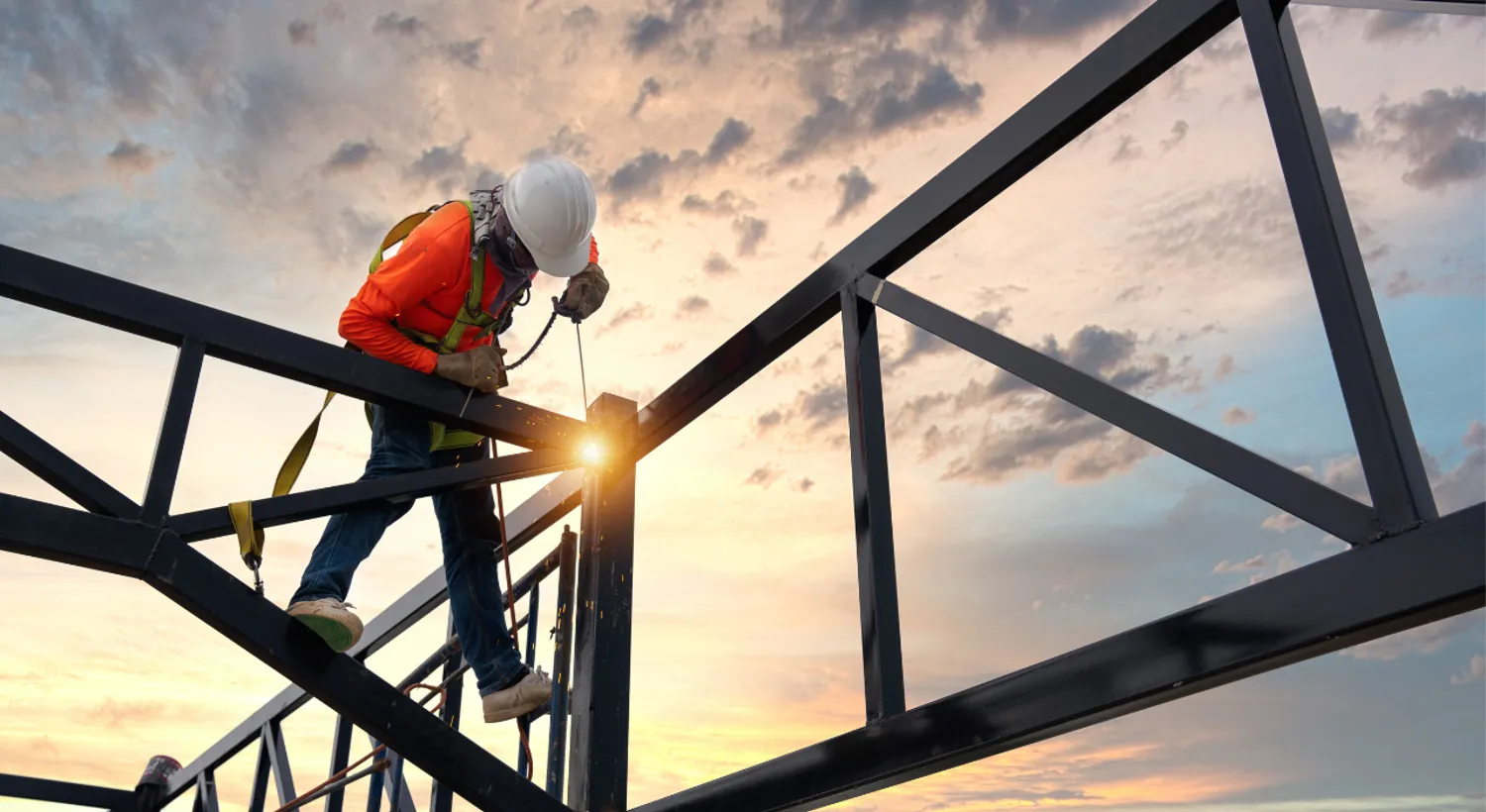
Roof trusses are essential elements in modern home design. They provide structural support for roofs and help in distributing weight across the building. By using pre-engineered trusses, homes can have open floor plans with minimal support beams or load-bearing walls. This flexibility allows architects to explore unique rooflines and ceiling shapes while ensuring safety and stability.
What is a Roof Truss?
A roof truss is a pre-engineered, triangular framework designed to support the weight of the roof. Trusses are typically made from wood, steel, or a combination of materials. They are stronger than traditional framing methods, allowing for longer spans and fewer interior support beams. This makes them perfect for open-concept homes and modern architecture.
Importance of Roof Trusses in Home Design
Roof trusses offer several advantages in modern home design. They allow for larger, open spaces by eliminating the need for load-bearing walls. Trusses also provide flexibility in ceiling design, allowing homeowners to create vaulted or high ceilings. This architectural freedom enhances both functionality and aesthetics, making trusses essential for contemporary living. No two roofing projects are the same, which is why our expert roofing solutions are tailored to meet your specific needs.
Traditional vs. Modern Roof Truss Designs
Traditional roof trusses, such as the king post and queen post, have been used for centuries due to their simplicity and effectiveness in providing structural support. Modern roof trusses, however, embrace innovation. With designs like scissor trusses and parallel chord trusses, today's homes feature more dynamic and flexible layouts, offering larger, open spaces and higher ceilings than ever before.
Popular Roof Truss Styles for Contemporary Homes
Selecting the right roof truss style can enhance both the functionality and aesthetic appeal of your home. Here are some of the most popular choices for contemporary architecture.
Mono Truss and Flat Truss Designs
Mono and flat trusses are ideal for minimalist and flat-roofed homes. These designs create sleek, simple lines, making them perfect for modern, streamlined architecture. They are space-saving and efficient, allowing for clean, open interiors with fewer obstructions. These trusses work well in homes where a minimalist design aesthetic is desired.
Scissor Truss for Vaulted Ceilings
Scissor trusses are perfect for creating dramatic vaulted ceilings in modern homes. This design offers a raised, open ceiling, adding a sense of grandeur and volume to living spaces. Exposed beams can also become a beautiful architectural feature. Scissor trusses are ideal for homes with high ceilings and for creating an airy, open feeling. Timber roof trusses bring a traditional yet highly durable design to any home. Our timber truss design for residential homes offers a balance of aesthetics and structural integrity.
Parallel Chord Truss for Open-Plan Living
Parallel chord trusses are a great option for industrial and modern loft-style homes. These trusses are known for their strength and are designed to support large, open spans, making them perfect for open-plan living areas. They allow for minimal support beams, which gives the home a more spacious and flexible layout, ideal for contemporary living.
Materials That Enhance Innovative Truss Designs
The materials used for roof trusses can have a significant impact on both the strength and aesthetic appeal of the final design. Different materials can help achieve various looks and offer distinct advantages.
Steel Trusses for a Sleek Modern Finish
Steel trusses are perfect for modern homes looking for a sleek, industrial appeal. Steel offers superior durability and strength, making it ideal for open-concept homes with large spans. This material adds a raw, modern feel and complements industrial or minimalist designs, providing a stylish yet robust framework for the roof.
Engineered Wood Trusses for Sustainability
Engineered wood trusses are an excellent choice for homeowners looking to combine sustainability with design flexibility. These trusses are eco-friendly, as they use renewable wood sources and can be engineered to create unique rooflines. Engineered wood offers strength and versatility, making it ideal for shaping creative and distinctive roofs in contemporary homes.
Hybrid Trusses (Wood + Steel Combinations)
Hybrid trusses, combining wood and steel, offer the best of both worlds: the aesthetic warmth of wood with the strength and durability of steel. This combination is perfect for luxury modern homes, where both strength and style are paramount. These hybrid trusses allow for larger spans, providing more open spaces while maintaining the design’s high-end appeal.
Creative Roof Truss Design Ideas for Aesthetic Appeal
Innovative roof truss designs aren’t just about functionality; they can also play a major role in enhancing the aesthetic appeal of your home. Here are some creative ideas to consider when designing your roof trusses.
Exposed Trusses in Living Areas
Exposing the trusses in living areas can add character and a sense of openness to your home. This design is particularly popular in Scandinavian or rustic-modern styles. Exposed wooden trusses can be a focal point, showcasing craftsmanship while contributing to a warm, inviting atmosphere.
Painted or Stained Trusses as a Focal Point
If you want your trusses to stand out, consider painting or staining them. Bold colours or rich stains can turn your roof trusses into a dramatic focal point. This design works especially well in homes that embrace a modern or eclectic style, where contrasts in colour and texture are emphasized.
Skylight-Integrated Truss Systems
Integrating skylights into your roof trusses maximizes natural light, creating bright, airy spaces. This design is particularly effective in modern homes, where large, open rooms benefit from increased sunlight. Skylights can be seamlessly integrated into the truss system, providing both structural integrity and aesthetic appeal.
How to Choose the Right Roof Truss Design for Your Home
Choosing the right roof truss design requires balancing aesthetics with structural needs. Here are some key factors to keep in mind when making your decision.
Consider Your Home’s Architectural Style
The style of your home should heavily influence your truss choice. Whether you are building a minimalist, industrial, or farmhouse-style home, selecting the right truss design is essential for creating a cohesive look. For example, a scissor truss works well in homes with high ceilings, while parallel chord trusses suit open-plan lofts.
Work with a Structural Engineer or Architect
Collaborating with a structural engineer or architect ensures that your truss design will meet both aesthetic and structural requirements. These professionals can help tailor the design to your specific needs, whether you’re aiming for larger spans, higher ceilings, or a unique roofline. Custom designs will provide better long-term stability and functionality. Need professional advice or recommendations? Simply contact our experts, and we’ll ensure you receive expert guidance.
Budget and Material Availability
Your budget and material availability are important considerations when choosing a roof truss design. High-quality materials like steel and engineered wood can be more expensive but offer long-lasting benefits. It's crucial to discuss your options with professionals to balance your desired aesthetics with your budget constraints.