Architecture is more than bricks and mortar; it is a canvas that captures the essence of a community’s identity, history, and aspirations. Thoughtful architectural design goes beyond aesthetics—it embodies culture, values, and collective memory, creating spaces where people feel connected, inspired, and proud to belong.
The Power of Architecture as a Cultural Narrative
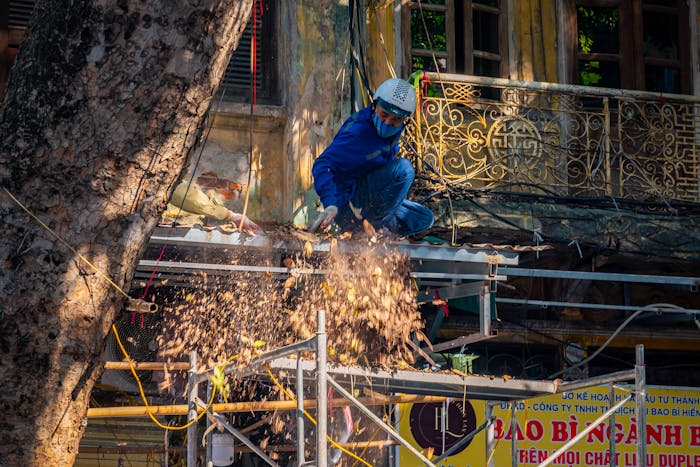
Buildings are silent storytellers. Each façade, archway, and open space can narrate centuries of history, celebrate local traditions, or reflect the resilience of a community. Architectural design rooted in cultural storytelling doesn’t just provide shelter—it fosters emotional connections. For example, heritage neighborhoods that preserve historic buildings allow residents to experience the past daily, while modern structures that incorporate local motifs pay homage to the community’s identity.
Designers who understand a community’s narrative can translate intangible elements—like folklore, rituals, or social values—into tangible architectural features. This process turns every structure into a chapter of a larger communal story, making neighborhoods feel alive and deeply human.
Inclusive Design: Bridging Past and Present
A community evolves, and its architecture must reflect both history and contemporary life. Inclusive design balances heritage preservation with modern functionality. By integrating traditional materials with sustainable technology, architects can honor the past while preparing for the future.
Public spaces, like plazas, community centers, and parks, play a pivotal role in connecting generations. Thoughtfully designed urban spaces encourage social interactions, cultural events, and storytelling, allowing the community’s narrative to unfold organically. Every curve, open corridor, or communal seating area can inspire engagement and belonging.
Architectural Symbolism and Identity
Symbols matter. Architectural elements such as murals, patterns, or landmark structures serve as visual anchors, representing collective values and identity. For instance, a city might integrate local craftsmanship into façades, blending artistry with functionality. This not only strengthens a sense of pride but also educates newcomers and visitors about the community’s legacy.
Even subtle design choices—like window placements, rooflines, or landscape features—can communicate meaning. Architects who embed symbolism thoughtfully ensure that spaces resonate with those who live in and interact with them daily. This approach elevates architecture from functional construction to a medium of cultural storytelling.
Engaging Communities in the Design Process
The most impactful designs emerge when architects collaborate with the communities they serve. Participatory design ensures that projects reflect real needs, desires, and stories. Engaging locals in planning workshops, design reviews, or storytelling sessions provides architects with insights that blueprints alone cannot capture.
Such collaboration creates a sense of ownership. Residents are more likely to cherish and protect spaces that represent their collective journey, and architects gain invaluable inspiration, ensuring designs remain authentic and culturally sensitive.
Conclusion: Architecture as a Living Chronicle
Architectural design that tells a community’s story transforms spaces into living chronicles. It bridges generations, celebrates culture, and fosters meaningful social interactions. Beyond aesthetics and function, it becomes a reflection of identity—a testament to what a community values, remembers, and aspires to be.
When architecture captures a community’s essence, it does more than shelter; it connects, inspires, and preserves the spirit of its people. In every brick, beam, and pathway, there is a story waiting to be told, and the right design ensures that story echoes through time.