An aortic aneurysm, a condition marked by the dilation or weakening of the body's primary artery (the aorta), necessitates prompt medical attention and appropriate treatment for a successful recovery. The recovery process following aortic aneurysm treatment varies depending on factors such as aneurysm size, location, the patient's overall health, and the treatment method chosen.
Two main treatment avenues are employed: surgical and endovascular. Surgical intervention involves open-chest or open-abdominal procedures where the weakened section of the aorta is replaced with a synthetic graft. On the other hand, endovascular repair is a minimally invasive procedure involving the insertion of a stent graft through blood vessels to reinforce the weakened area.
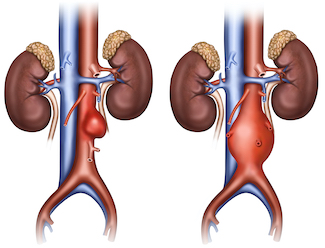
Recovery from aortic aneurysm treatment unfolds gradually. Patients usually spend a few days in the hospital to ensure their condition stabilizes and proper healing begins. The duration of recovery varies but typically involves a period of limited physical activity to facilitate healing and avert complications. Regular follow-up appointments, imaging scans, and check-ups are imperative to monitor the graft's integrity and overall cardiovascular health.
The trajectory of a full recovery hinges on individual circumstances. Although many patients can resume normal activities within a few months, prioritizing a healthy lifestyle—comprising a well-balanced diet, regular exercise, and abstinence from smoking—is critical to supporting recovery and diminishing the risk of recurrence. Adherence to medical advice and consistent attendance at follow-up appointments play a pivotal role in ensuring the most favorable outcome post-aortic aneurysm treatment.