CNC (Computer Numerical Control) machining is a highly accurate and efficient manufacturing process that uses automated tools to precisely cut, drill, mill, and shape materials such as metals, plastics, and composites. One of the key factors that determine the quality and performance of CNC machined parts is tolerance. Tolerance refers to the permissible limit of variation in a part's dimensions, and it plays a critical role in ensuring that components fit together properly, function as intended, and meet quality standards.
Understanding CNC machining tolerance standards is essential for both manufacturers and engineers to guarantee the final product meets design specifications. In this blog post, we'll explore the most important CNC machining tolerance standards and how they impact the manufacturing process.
What Are CNC Machining Tolerances?
In CNC machining, tolerance refers to the allowable deviation from the specified dimensions of a part. These deviations are measured in either millimeters or inches, depending on the part’s size and the precision required. CNC machines can operate with high precision, but there are limitations based on the machine's capabilities, the material being machined, and the machining process used.
For example, a part with a tolerance of ±0.01 mm means that the actual size of the part can vary by up to 0.01 mm above or below the specified dimension. The tighter the tolerance, the more expensive and time-consuming the manufacturing process will be, as it requires higher precision and more advanced equipment. Also, read information about CNC machining Nashua NH.
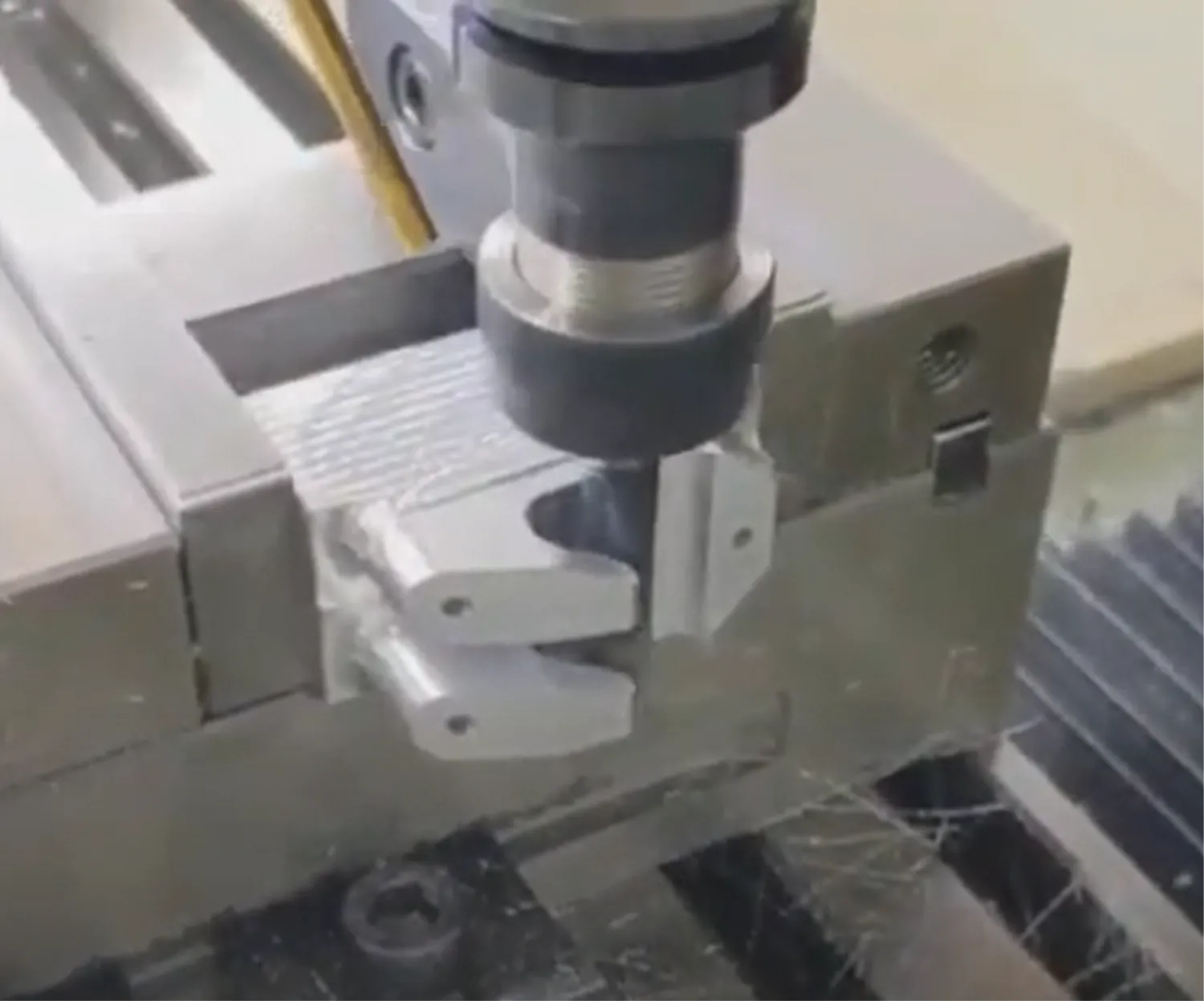
Types of Tolerances in CNC Machining
There are several different types of tolerances that are commonly used in CNC machining, and understanding each type is important to ensuring your project meets both functional and budgetary requirements.
1. Linear Tolerances
Linear tolerances refer to the allowable variation in the linear dimensions of a part. This includes the length, width, height, and thickness of a component. These tolerances are the most commonly used and specify how much the actual measurement of the part can deviate from the intended measurement. Linear tolerances are usually expressed as a range, for example, ±0.05 mm.
2. Geometric Tolerances
Geometric tolerances define the allowable variation in the shape, orientation, and location of features on a part. Common types of geometric tolerances include flatness, roundness, perpendicularity, and concentricity. These are essential for parts that need to fit into tight assemblies, ensuring that all features align properly.
For instance, flatness ensures that a surface remains within a specific tolerance range, preventing distortion. Perpendicularity ensures that surfaces or holes meet at a precise right angle.
3. Angular Tolerances
Angular tolerances define the acceptable deviation in the angle between two surfaces. For parts that require specific angles to mate with other components, angular tolerances are critical. For example, if a part needs to be machined at a 30-degree angle, the tolerance might be specified as ±0.5 degrees, meaning the actual angle can vary within this range.
4. Concentricity and Symmetry Tolerances
These tolerances ensure that a part’s features are aligned symmetrically or concentrically with one another. Concentricity is used to describe how well the center of one circular feature matches the center of another. Symmetry, on the other hand, defines how evenly the part is centered along a specific axis. Both concentricity and symmetry are essential for parts that require precise alignment, such as shafts or cylindrical components.
Common CNC Tolerance Standards
While the specific tolerance requirements may vary from one project to another, there are some general tolerance standards that apply to most CNC machining projects. These standards ensure consistent and reliable results across different industries and applications.
1. ISO 2768
ISO 2768 is an international standard that defines general tolerances for linear dimensions, angular dimensions, and geometrical tolerances for mechanical parts. It is widely used in CNC machining because it provides a comprehensive guide to tolerances for various features of a part. ISO 2768 is divided into two parts: part 1 covers general tolerances for linear dimensions and angles, while part 2 addresses geometrical tolerances.
2. ASME Y14.5
ASME Y14.5 is a standard developed by the American Society of Mechanical Engineers (ASME) that covers geometric dimensioning and tolerancing (GD&T). It provides guidelines on how to specify geometric tolerances on engineering drawings, helping to ensure that parts meet the necessary specifications. This standard includes rules for datum systems, tolerance zones, and feature control frames, among other things.
3. DIN 7168
DIN 7168 is a German standard for dimensional tolerances that is commonly used in Europe. It provides a system for tolerancing that includes various classes of tolerance based on the size of the part and the precision required. DIN 7168 is similar to ISO 2768 but is often used in specific European manufacturing contexts.
Factors Influencing CNC Tolerance
Several factors influence the achievable tolerance in CNC machining, including:
- Machine Type and Condition: High-precision CNC machines are capable of achieving tighter tolerances. The condition of the machine, including calibration and maintenance, also affects tolerance.
- Material Type: Some materials are easier to machine to tight tolerances than others. For example, metals like aluminum are easier to machine than harder materials like stainless steel or titanium.
- Tooling and Equipment: The quality of the cutting tools used in the CNC process can impact the precision of the machining process. Dull tools or improper tooling can lead to errors in the final dimensions.
- Process Used: The machining process, whether it’s milling, turning, or drilling, will determine the achievable tolerance. For example, turning typically offers higher precision than milling.
- Skill and Experience of the Operator: Skilled CNC operators are essential for maintaining tight tolerances, as they can make adjustments in real-time to ensure the part meets the specifications.
Conclusion
Understanding CNC machining tolerance standards is crucial for ensuring high-quality, functional parts. By knowing the different types of tolerances and the standards commonly used in CNC machining, engineers and manufacturers can effectively communicate their needs, resulting in parts that meet performance, fit, and quality requirements. It's also important to consider factors like material selection, machine capabilities, and process choice when determining the appropriate tolerance for a project. Whether working with simple or complex components, having a firm grasp of these tolerance standards can help achieve the best results and reduce costly errors in the manufacturing process.