```html
The silent language of Vietnamese craftsmanship
When travelers seek the soul of Vietnam, they often look for landscapes or cuisine. Yet the true heartbeat of this nation pulses in its villages, where hands still shape stories from raw materials. The journey into this heritage is not a passive observation but a conversation with generations. A half-day excursion with Tinny Travel unveils this dialogue, moving beyond the tourist gaze into a realm where patience, memory, and identity are woven into everyday objects. This is an invitation to read a culture through its artisans, not through museum glass, but through the dust of their workshops and the rhythm of their daily labor.
Chuong village where palm leaves become identity
The conical hat, known as the non la, is more than a shield from sun or rain. In Chuong Village, a hamlet that has dedicated itself to this craft for centuries, the hat becomes a biography. Artisans select each palm leaf with the care of a librarian choosing parchment. They press the leaves under heavy stones, not merely to flatten, but to imbue them with a quiet resilience. The stitching is a slow, deliberate act, each loop of silk thread holding together a story of field work, river crossings, and market mornings. Visitors often mistake this for simple manual labor, but the true mastery lies in the invisible decisions, the angle of a curve, the tension of a thread, that make each hat a unique fingerprint of its maker.
The red flame of Quang Phu Cau
A different but equally profound narrative unfolds in Quang Phu Cau, the incense stick village. Here, bamboo sticks are transformed into offerings that bridge the visible and the invisible. The vibrant red and pink hues of the incense bundles are not random decorations; they are signals of reverence, color-coded languages of prayer. The process is a subtle choreography of drying, dyeing, and bundling, performed under the open sky. Watching the fields turn into a crimson carpet of drying sticks, one realizes that this craft is not about production but about intention. Every step, from the mixing of the aromatic paste to the final layering of sticks, is a meditation on impermanence and devotion, a physical prayer that will later rise as fragrant smoke in pagodas and ancestral altars.
A sensory bridge to the past
What makes this exploration transformative is the sensory immersion. The acrid yet calming scent of agarwood and cinnamon mixes with the earthy aroma of wet clay from the hat village. The tactile feedback of a freshly stitched hat contrasts with the brittle texture of a dried bamboo stick. These are not images to be archived on a phone; they are experiences that recalibrate your understanding of time. In a world obsessed with speed, these villages operate on the logic of seasons and patience. The artisans do not check clocks; they check the angle of the sun, the humidity of the air, the feel of the material under their fingertips. This is a slower, deeper intelligence at work, one that modern efficiency has nearly erased.
Why a guided half-day matters
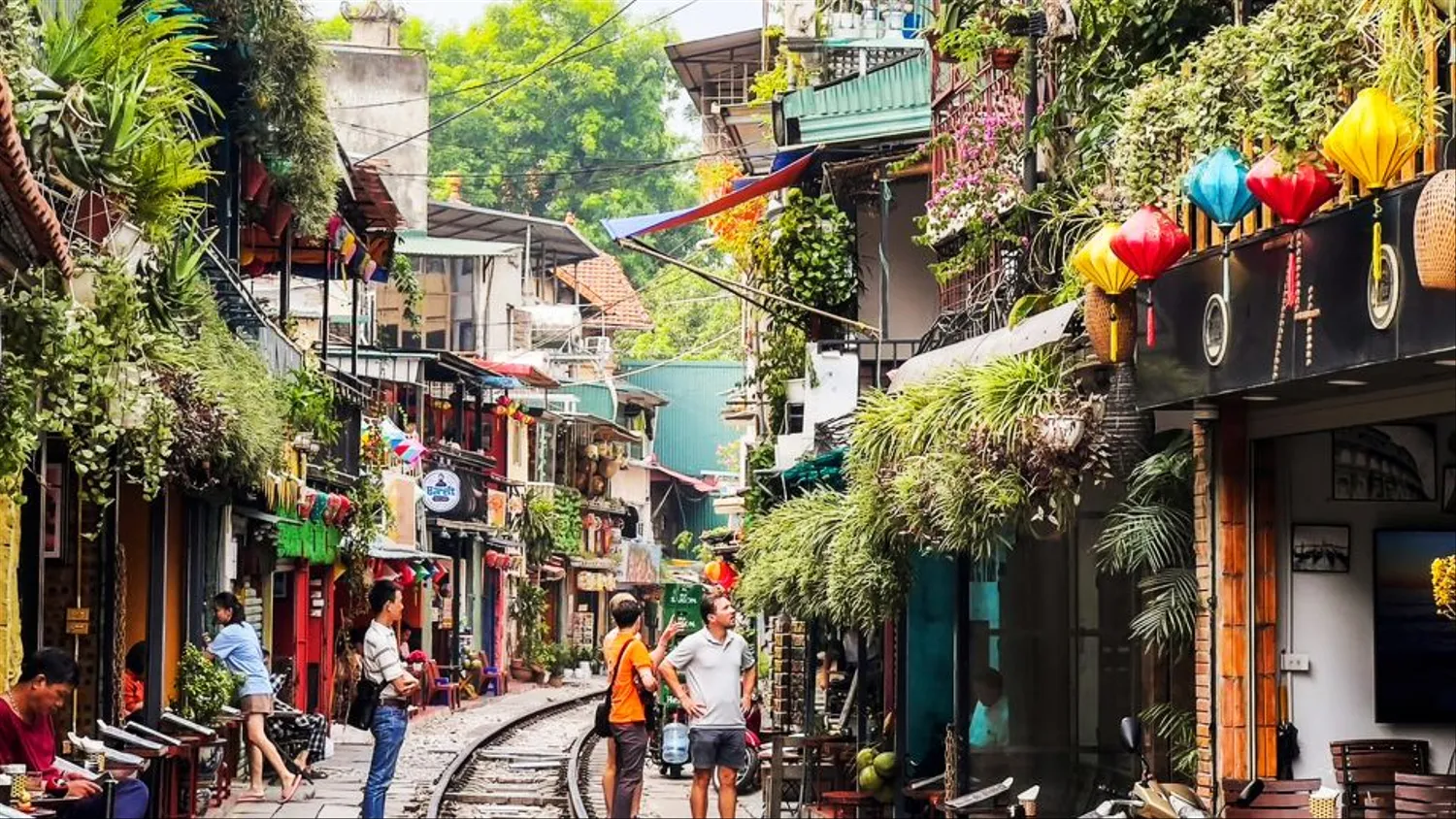
Approaching these villages without guidance risks seeing only surfaces. A structured visit, however, decodes the layers of meaning embedded in each artifact. The train street, often combined with this route, adds a further dimension, where urban life brushes against these rural traditions. The orchestration of a proper tour ensures you meet the eldest craftswoman, hear the anecdote about a failed harvest of palm leaves, or learn why a particular incense blend is reserved for lunar new year. Such details are not found in guidebooks; they are passed through the intimacy of a shared walk. The https://tinnytravel.com/product/incense-village-conical-hat-train-street-half-day/ provides the structure for this meaningful encounter, transforming a casual visit into a respectful dialogue with living history.
The true reward of this journey is a shift in perception. You will no longer see a conical hat as a mere souvenir, nor an incense stick as a simple prop. They become evidence of a culture that refuses to hurry, that finds dignity in repetition, and that measures wealth not in output but in continuity. The hands that shape these objects are the same hands that hold the memory of the nation. To witness them is to understand that heritage is not a frozen monument but a living, breathing practice, one that survives because it adapts without losing its core. The dust on your shoes from these villages is not dirt; it is the residue of a profound and beautiful persistence.
```