Why Vietnamese craft villages feel like a living museum
Most travelers pass through Hanoi without realizing that just an hour away, time slows down in villages where hands have shaped cultural icons for centuries. The Tinny Travel half-day journey connects two such places, offering a rare glimpse into how everyday objects become symbols of national identity. The problem is that typical tours rush tourists through crowded markets, leaving no room for genuine connection. You end up with photographs but no understanding, souvenirs but no stories. This itinerary solves that by prioritizing unhurried visits and direct interaction with artisans, transforming passive sightseeing into active cultural exchange.
The quiet mastery of Chuong village
Chuong Conical Hat Village sits on the edge of Ha Nam province, where the sound of tapping bamboo frames replaces the noise of city traffic. Here, each hat requires over a dozen steps, from splitting palm leaves to hand-stitching every layer with silk thread. Artisans like Mrs. Lan, who has been weaving since age nine, explain that the true secret lies in the leaf pressing process, which must be done under the sun to achieve the right translucency. This is not mass production; it is a meditation on patience. Visitors can try their hand at weaving, and most discover why a single hat takes nearly three hours to complete. The reward is not just a wearable keepsake but a deep appreciation for labor that machines cannot replicate.
Quang Phu Cau and the art of ephemeral beauty
In contrast, Quang Phu Cau Incense Stick Village dazzles with color. Bundles of red and pink incense sticks dry in massive circular patterns, creating a surreal landscape that photographers chase worldwide. But the visual spectacle hides a functional craft. Every stick is made from bamboo dipped in a paste of cassava flour and aromatic herbs, each formula passed down through generations. The village’s scent is earthy, smoky, and calming all at once, a prelude to the spiritual rituals where these sticks play a central role. Watching a family sort and bundle incense in under five minutes makes you realize how much skill is compressed into what seems like simple labor. The experience here feels less like a tour and more like stepping into a ritual that has never paused.
Beyond the craft, a living connection
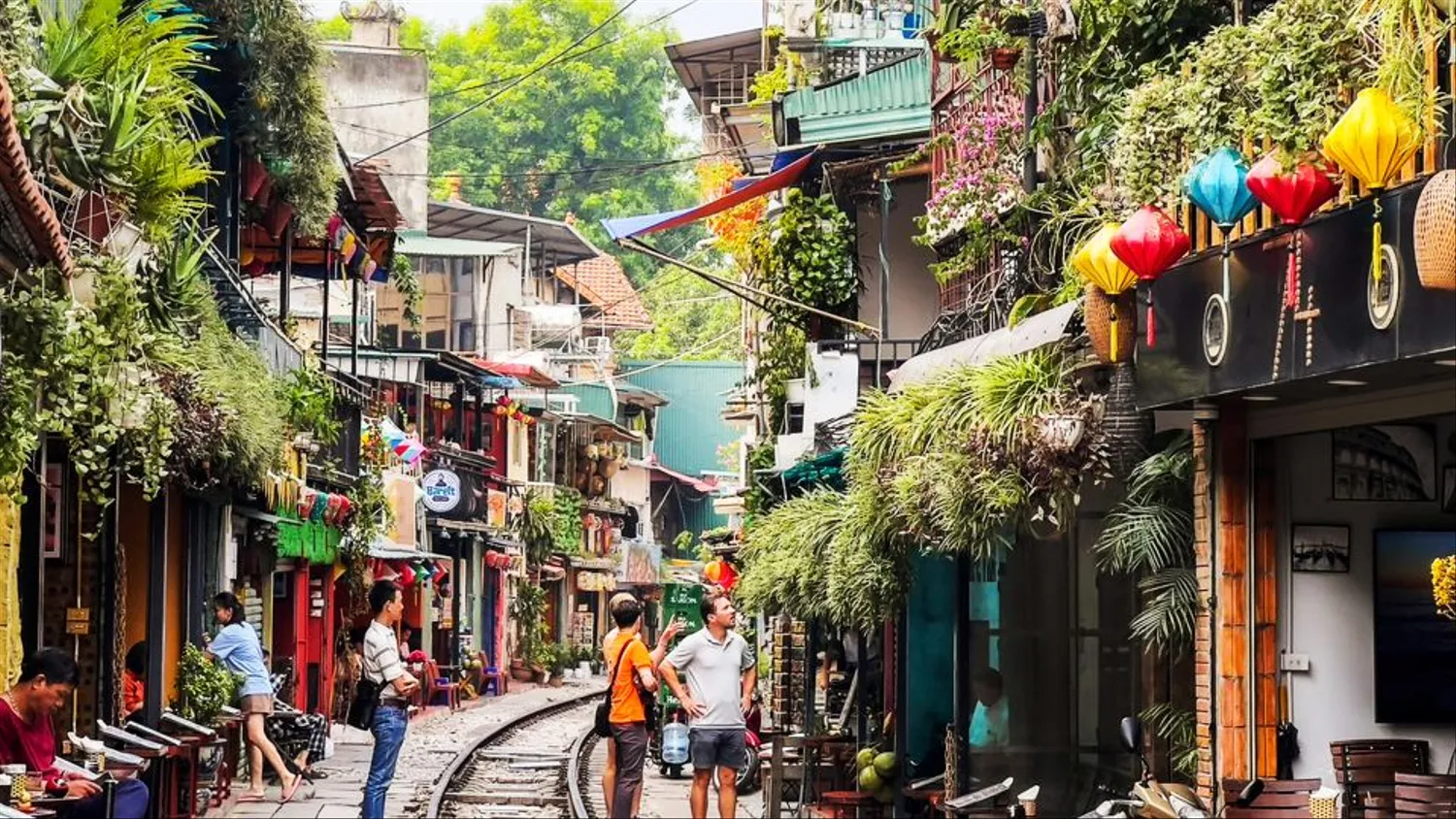
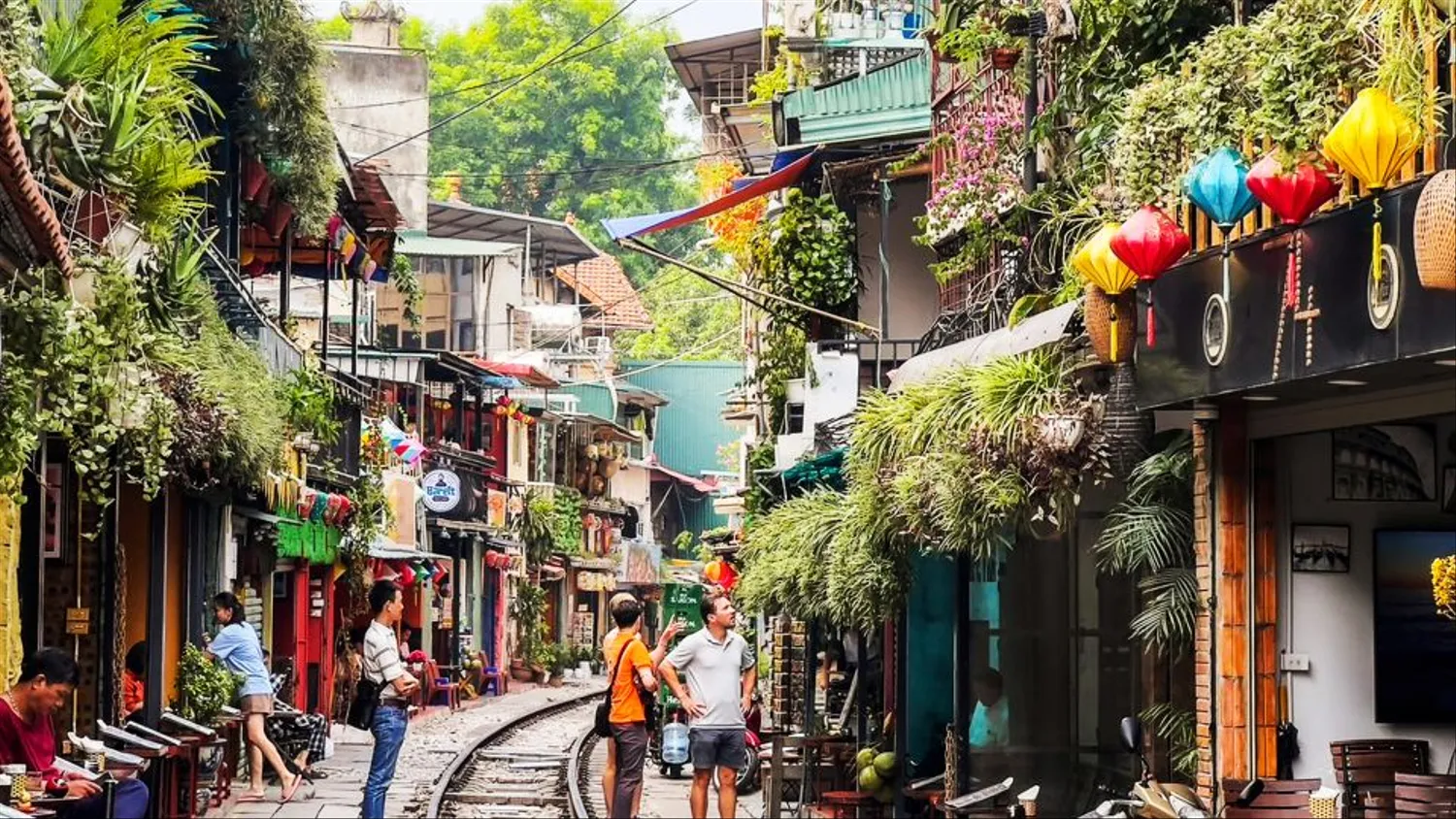
What elevates this journey is the train street addition, where you catch a glimpse of Hanoi’s daily rhythm as a train passes inches from café tables. The juxtaposition of ancient craft and modern urban life is striking. You leave with a mental archive of textures, scents, and gestures that no textbook can capture. For those who value authenticity over gloss, the full itinerary is detailed at https://tinnytravel.com/product/incense-village-conical-hat-train-street-half-day/. The villages do not demand your admiration; they simply invite you to sit, watch, and perhaps weave one stitch yourself.
A journey worth taking slowly
These craft villages remain alive because people like you choose to visit with curiosity rather than haste. The conical hat you carry home will fade into your wardrobe, but the memory of calloused hands guiding yours through a single stitch will not. The incense you see will burn and disappear, yet the image of red bundles drying under golden light stays vivid. This tour does not promise luxury; it promises meaning. And meaning, unlike a postcard, cannot be misplaced.