The healthcare industry continues to grow rapidly, creating opportunities for skilled professionals who can support both patients and medical providers. Among the most in demand healthcare support roles is the Clinical Medical Assistant. These professionals serve as a vital link between patients, physicians, nurses, and healthcare facilities, helping ensure efficient clinical operations and positive patient experiences.
For individuals interested in entering healthcare without spending years in school, earning a Clinical Medical Assistant Certification can be a practical and rewarding pathway. Certification demonstrates that a candidate has developed the foundational knowledge and clinical skills needed to support patient care and perform essential medical assisting responsibilities.
Whether you're exploring your first healthcare career, transitioning from another profession, or seeking professional advancement, understanding the value of clinical medical assistant certification can help you make an informed decision about your future.
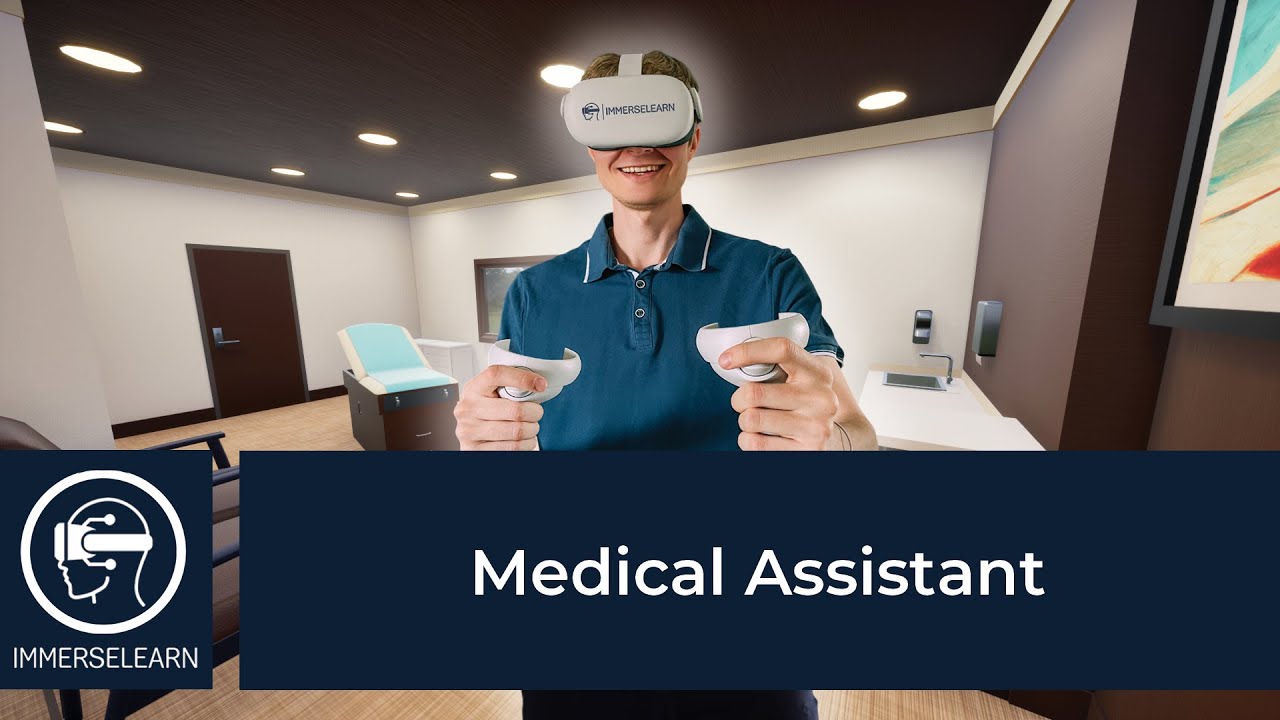
What Is Clinical Medical Assistant Certification?
Clinical Medical Assistant Certification is a professional credential that validates an individual's knowledge and skills related to clinical medical assisting. It demonstrates competency in areas such as patient care, medical procedures, healthcare communication, infection control, and clinical workflow management.
Certification helps employers identify candidates who possess the foundational skills necessary to work effectively in healthcare environments.
A certification focused training program typically covers:
- Patient care procedures
- Medical terminology
- Anatomy and physiology fundamentals
- Vital signs measurement
- Infection control practices
- Healthcare communication
- Clinical documentation
- Medical ethics
- Safety procedures
These competencies help prepare learners for the day-to-day responsibilities commonly performed by clinical medical assistants.
Why Clinical Medical Assistant Certification Matters
Healthcare employers increasingly seek candidates who have demonstrated their commitment to professional development through education and certification.
Certification offers several important benefits:
Demonstrates Professional Competency
Certification shows employers that you have completed training and developed essential clinical knowledge.
Improves Career Opportunities
Many healthcare organizations prefer certified candidates when filling medical assistant positions.
Enhances Professional Credibility
Certification helps establish trust among employers, colleagues, and patients.
Supports Career Advancement
A recognized credential may open doors to additional responsibilities and career growth opportunities.
Builds Confidence
Training and certification can help individuals feel more prepared when entering healthcare environments.
For many aspiring healthcare professionals, certification serves as an important first step toward long-term career success.
What Does a Clinical Medical Assistant Do?
Clinical medical assistants work directly with healthcare providers and patients in a variety of medical settings.
Their responsibilities often include:
- Measuring vital signs
- Preparing patients for examinations
- Assisting with clinical procedures
- Recording patient information
- Maintaining medical records
- Supporting infection control practices
- Educating patients on basic healthcare instructions
- Preparing examination rooms
- Managing clinical workflows
Because they interact with both patients and healthcare professionals, clinical medical assistants must possess strong technical and communication skills.
Skills You Can Learn Through Clinical Medical Assistant Certification Training
A quality certification program helps learners develop practical skills that align with healthcare industry expectations.
Patient Care Skills
Patient interaction is a major part of the clinical medical assistant role.
Students often learn:
- Patient intake procedures
- Vital signs collection
- Patient preparation techniques
- Basic clinical support procedures
- Patient communication skills
These skills help ensure patients receive professional and compassionate care.
Medical Terminology
Healthcare professionals use specialized language every day.
Training often includes:
- Medical vocabulary
- Common healthcare abbreviations
- Anatomical terminology
- Clinical documentation language
- Communication standards
A strong understanding of medical terminology improves workplace communication and accuracy.
Anatomy and Physiology Fundamentals
Clinical medical assistants benefit from understanding how the human body functions.
Topics may include:
- Body systems
- Organ functions
- Basic physiology concepts
- Common health conditions
- Clinical relevance of anatomy
This knowledge helps students better understand patient care procedures and healthcare workflows.
Infection Control and Safety Procedures
Healthcare environments require strict attention to safety and infection prevention.
Training may cover:
- Hand hygiene protocols
- Personal protective equipment (PPE)
- Infection control practices
- Workplace safety standards
- Exposure prevention procedures
These practices help protect patients, healthcare workers, and clinical environments.
Clinical Documentation
Accurate recordkeeping is an important responsibility in healthcare.
Students may learn:
- Patient charting
- Electronic health record (EHR) basics
- Clinical documentation standards
- Information accuracy practices
- Confidentiality requirements
Proper documentation supports quality patient care and regulatory compliance.
Benefits of Earning a Clinical Medical Assistant Certification
Certification provides advantages that extend beyond technical knowledge.
Increased Employability
Healthcare employers often value candidates who possess recognized credentials.
Professional Recognition
Certification demonstrates dedication to healthcare excellence and continuous learning.
Stronger Knowledge Foundation
Training programs provide structured learning experiences that support workplace readiness.
Career Flexibility
Medical assistants can work in various healthcare settings, creating diverse employment opportunities.
Long-Term Growth Potential
Certification may serve as a foundation for future healthcare education and career advancement.
Where Can Certified Clinical Medical Assistants Work?
Professionals who earn a Clinical Medical Assistant Certification may find opportunities in a variety of healthcare environments.
Common workplaces include:
Physician Offices
Support patient care and clinical operations.
Medical Clinics
Assist healthcare providers with examinations and patient services.
Outpatient Care Centers
Help coordinate patient visits and clinical procedures.
Specialty Practices
Work in focused healthcare areas such as cardiology, pediatrics, dermatology, or orthopedics.
Urgent Care Centers
Support healthcare teams in fast-paced clinical settings.
Healthcare Organizations
Contribute to patient care and administrative support functions.
This flexibility makes medical assisting an attractive career option for many individuals entering healthcare.
Essential Qualities of a Successful Clinical Medical Assistant
While technical knowledge is important, personal qualities also contribute significantly to success.
Communication Skills
Medical assistants frequently interact with patients and healthcare providers.
Attention to Detail
Accuracy is essential when recording information and assisting with patient care.
Compassion
Patients appreciate healthcare professionals who demonstrate empathy and understanding.
Organization
Strong organizational skills help maintain efficient clinical workflows.
Adaptability
Healthcare environments can change quickly and require flexibility.
Professionalism
Maintaining ethical standards and confidentiality is critical in healthcare settings.
Employers often seek candidates who combine technical skills with strong interpersonal qualities.
How to Choose the Right Clinical Medical Assistant Certification Program
Not all training programs provide the same educational experience.
When evaluating options, consider the following:
Comprehensive Curriculum
Look for programs covering clinical skills, patient care, medical terminology, and healthcare safety.
Practical Learning Opportunities
Simulation-based and hands-on experiences can strengthen understanding.
Flexible Learning Formats
Online options may help accommodate work and personal schedules.
Industry-Relevant Content
Training should align with current healthcare practices and employer expectations.
Career-Focused Education
Programs should help students develop skills that are directly applicable in healthcare environments.
A quality training program can significantly improve workplace readiness and confidence.
Why Clinical Medical Assistant Certification Is a Smart Career Investment
Healthcare remains one of the most stable and essential industries worldwide. As patient populations grow and healthcare services expand, trained support professionals continue to play an important role in delivering quality care.
Earning a Clinical Medical Assistant Certification allows individuals to develop valuable healthcare skills while preparing for meaningful career opportunities. From patient care and clinical support to healthcare communication and safety practices, certification training helps build a strong foundation for success.
Whether you're beginning your healthcare journey or seeking to expand your qualifications, clinical medical assistant certification can provide the knowledge, confidence, and professional credibility needed to pursue long-term career growth.
To explore immersive healthcare training and certification-focused learning opportunities, visit:
Frequently Asked Questions (FAQ)
What is Clinical Medical Assistant Certification?
Clinical Medical Assistant Certification is a professional credential that validates an individual's knowledge and skills in patient care, clinical procedures, healthcare communication, and medical assisting practices.
Why is Clinical Medical Assistant Certification important?
Certification demonstrates competency, improves employability, enhances professional credibility, and helps prepare candidates for healthcare careers.
What does a clinical medical assistant do?
Clinical medical assistants support healthcare providers by assisting with patient care, recording information, measuring vital signs, preparing patients for examinations, and maintaining clinical workflows.
What skills can I learn through certification training?
Students typically learn patient care procedures, medical terminology, anatomy and physiology basics, infection control practices, healthcare communication, and clinical documentation.
Is Clinical Medical Assistant Certification suitable for beginners?
Yes. Many programs are designed for individuals who are new to healthcare and provide foundational education and skill development.
Where can certified clinical medical assistants work?
They may find opportunities in physician offices, clinics, outpatient care centers, specialty practices, urgent care facilities, and other healthcare organizations.
What qualities make a successful clinical medical assistant?
Strong communication skills, attention to detail, compassion, professionalism, organization, and adaptability are all valuable qualities.
Does certification help with career advancement?
Yes. Certification may improve employment opportunities and provide a foundation for future healthcare education and professional growth.
How do I choose the right certification program?
Look for programs with comprehensive curricula, practical learning experiences, flexible delivery options, and industry-relevant content.
Is Clinical Medical Assistant Certification a good career investment?
For individuals interested in healthcare careers, certification can provide valuable skills, improve employability, and support long-term professional development.