A medical office depends on more than doctors and nurses. Behind each appointment, healthcare professionals help organize patient information, prepare examination rooms, record basic health measurements, and keep daily operations running smoothly. Clinical medical assistants can contribute to these essential tasks, making the role an option worth exploring for people interested in patient-focused healthcare work.
Before choosing a course, it helps to understand what clinical medical assistants do, which skills they need, and how training can prepare learners for the responsibilities of a healthcare setting. The right educational pathway should offer clear learning objectives and realistic information about practical experience, certification, and employment requirements.
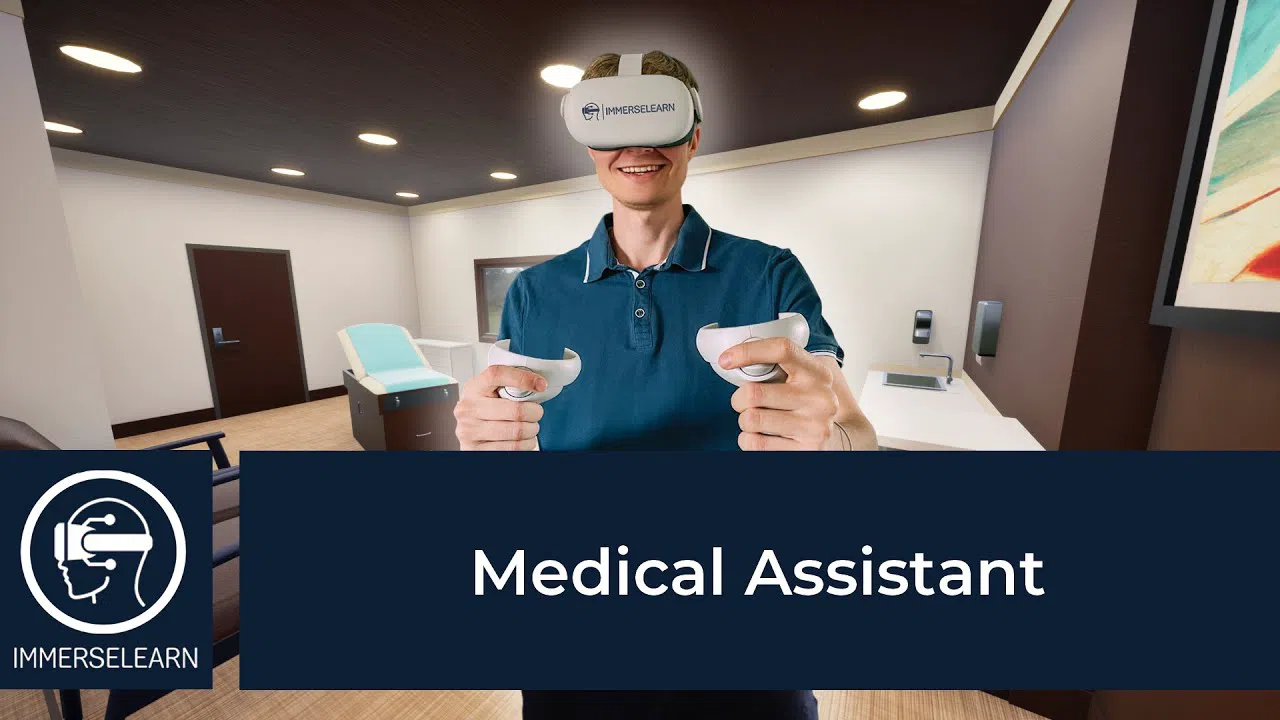
What Does a Clinical Medical Assistant Do?
Clinical medical assistants support healthcare providers with patient-related tasks. Their responsibilities vary by employer, workplace, training, and local regulations.
Depending on the role, duties may include:
Preparing examination rooms and organizing supplies
Recording vital signs when trained and authorized
Collecting and documenting patient information
Supporting routine clinical procedures within the permitted scope
Following hygiene and infection-control practices
Communicating professionally with patients
Maintaining accurate records
Protecting confidential health information
Clinical medical assistants must understand when to follow established procedures and when to refer questions to a qualified healthcare professional. Patient safety, privacy, and clear communication should remain priorities throughout their work.
What Should You Learn During Clinical Medical Assistant Training?
A good learning experience should explain how clinical knowledge connects to everyday healthcare responsibilities. Memorizing medical terms is useful, but learners also need to understand why procedures matter and how to approach tasks carefully.
1. Medical Terminology and Basic Anatomy
Understanding common medical terms helps learners interpret educational materials, communicate accurately, and become familiar with the language used in healthcare settings. Basic anatomy provides context for understanding different body systems and common clinical procedures.
2. Vital Signs and Patient Preparation
Training may introduce measurements such as temperature, pulse, respiration, and blood pressure. Students should learn the purpose of these measurements and the importance of following appropriate procedures. Hands-on practice may be needed to develop competence.
3. Infection Control and Hygiene
Healthcare environments require consistent infection-prevention practices. Learners should understand hand hygiene, appropriate protective equipment, cleaning procedures, and ways to reduce contamination risks.
4. Patient Records and Communication
Accurate documentation helps healthcare teams maintain continuity of care. Training should also emphasize respectful communication, patient privacy, and the importance of recording information correctly.
5. Clinical Professionalism
Working with patients requires patience, discretion, attention to detail, and respect for individual needs. Learners should understand professional boundaries and the limits of their training and authorization.
Can Online Learning Help You Prepare?
For people balancing work, family, or other commitments, online education can offer greater flexibility. Clinical medical assistant training program options may provide structured lessons, digital resources, assessments, and opportunities to review unfamiliar concepts.
However, the learning format matters less than the quality and relevance of the education. Before enrolling, check whether the program covers the subjects you need and whether it includes or requires practical training.
Online lessons can introduce important concepts, but they may not replace supervised hands-on experience. Requirements depend on the program, intended credential, employer, and jurisdiction.
How to Evaluate Clinical Medical Assistant Online Classes
Not every program offers the same curriculum or qualification. Compare your options carefully instead of relying only on promotional claims.
Use this checklist when researching courses:
Curriculum: Does it cover medical terminology, patient preparation, vital signs, infection control, and documentation?
Teaching approach: Are the lessons clear, organized, and easy to review?
Practical learning: Does the program explain any laboratory, clinical, or supervised practice requirements?
Student support: Can learners get help with difficult topics?
Qualification: What certificate or credential does the provider actually award?
Career requirements: Does the pathway meet the expectations of your intended employer or credentialing organization?
These questions can help you choose education that matches your goals rather than simply choosing the first available course.
What Does It Mean to Become a Certified Clinical Medical Assistant?
The term certified clinical medical assistant generally refers to a medical assistant who has earned a relevant professional certification. Certification is not necessarily the same as completing an educational course.
Eligibility rules, accepted training pathways, examinations, and renewal requirements vary by credentialing organization. Employers and jurisdictions may also have specific expectations.
Before enrolling, verify the certification body's current requirements and confirm whether the course prepares you for a separate examination or awards only a course-completion certificate. Avoid assuming that an online program automatically grants professional certification or guarantees employment.
How ImmerseLearn Fits Into Your Learning Journey
ImmerseLearn offers online vocational education for learners exploring career-focused subjects. Its educational approach is designed to make learning more accessible through technology-supported experiences.
People considering clinical medical assistant training online can review the available program details, curriculum, learning format, and stated outcomes before deciding whether the course suits their needs.
The important step is to understand exactly what the program provides. Check the qualification awarded, the availability of practical learning, and any additional requirements that apply to your chosen career pathway.
Frequently Asked Questions
Can I study clinical medical assisting online?
Online study can help learners understand medical terminology, clinical concepts, documentation, and patient-care principles. Practical training may still be necessary, depending on the program and intended role.
What skills should a clinical medical assistant develop?
Important skills include communication, accurate documentation, infection-control awareness, patient preparation, attention to detail, confidentiality, and professional conduct.
Does completing a course make me a certified medical assistant?
Not automatically. Professional certification may require separate eligibility criteria and an examination. Confirm the requirements with the relevant credentialing organization.
Is previous healthcare experience necessary?
Entry requirements differ between programs. Review the admission criteria and foundational knowledge expected before enrolling.
How do I choose the right clinical medical assistant program?
Compare the curriculum, teaching format, practical requirements, student support, qualification awarded, and relevant certification or employment requirements.
Final Thoughts
Clinical medical assisting combines practical knowledge with responsibility toward patients and healthcare teams. A thoughtful education choice can help you build a foundation in medical terminology, patient preparation, documentation, safety, and professional communication.
Before committing to a course, review the learning outcomes and confirm what additional training or certification may be needed. With clear expectations and consistent effort, you can make a better-informed decision about your next step in healthcare education.