Caring for people during illness, recovery, or everyday healthcare needs requires patience, compassion, and practical skills. Certified nursing assistants (CNAs) support patients with daily activities and help nurses and other healthcare professionals deliver appropriate care. For people who want to explore a hands-on healthcare career, nursing assistance can be a meaningful path to consider.
Before choosing a course, it helps to understand what nursing assistants do, which skills they need, and what training is required in the place where they plan to work. A good learning plan should prepare you to understand patient needs while recognizing the importance of safety, dignity, and professional boundaries.
ImmerseLearn offers online vocational learning opportunities for people exploring career-focused education. Understanding how online learning fits into your goals can help you make a more informed decision about your next step.
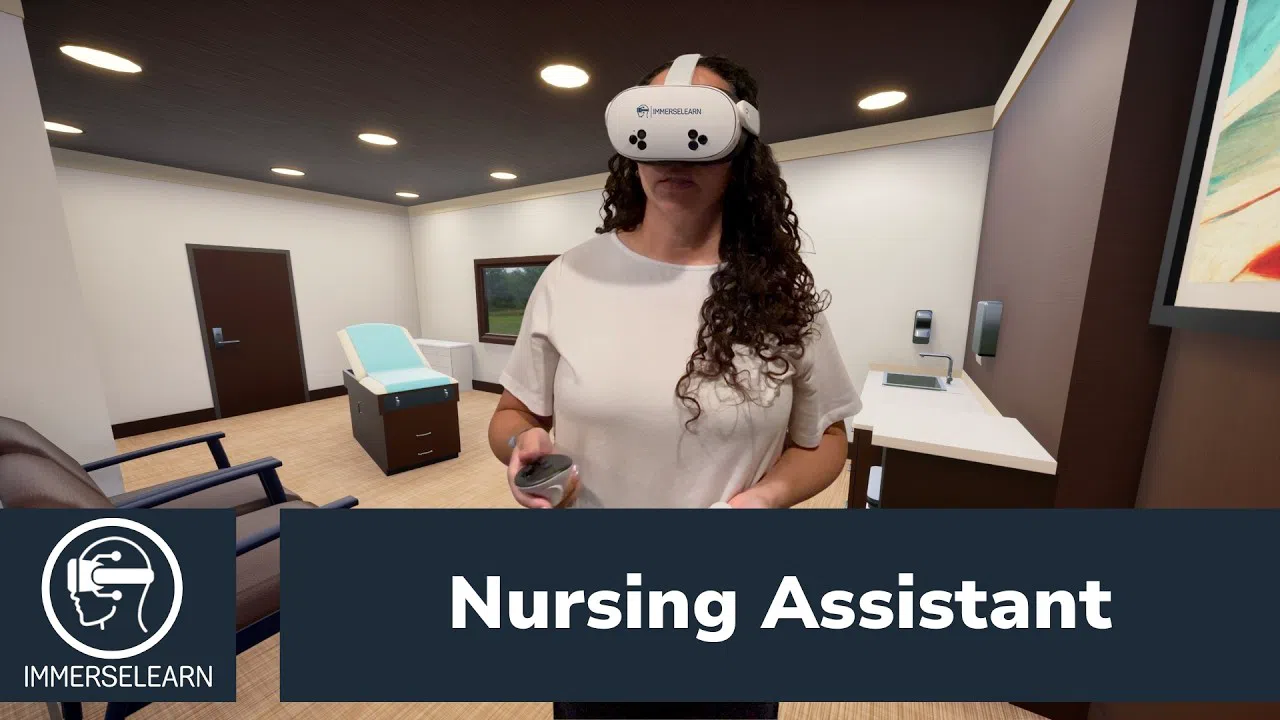
What Does a Nursing Assistant Do in a Healthcare Setting?
Nursing assistants help patients with everyday care under the direction and supervision required by their workplace. Their responsibilities depend on the care setting, their qualifications, and local regulations.
Typical duties may include:
Helping patients with bathing, dressing, grooming, and personal hygiene.
Supporting safe movement, positioning, and transfers.
Assisting with meals and hydration according to care instructions.
Observing changes in a patient's condition and reporting concerns promptly.
Recording relevant information as instructed.
Helping maintain clean, comfortable, and organized patient environments.
Communicating respectfully with patients, families, nurses, and other team members.
These responsibilities require more than a willingness to help. Nursing assistants must follow care instructions, protect patient privacy, recognize their professional limits, and seek assistance when a situation falls outside their training.
Which Skills Should Nursing Assistant Training Cover?
A strong educational foundation introduces both the practical concepts and the professional responsibilities associated with patient care.
Important learning areas include:
Patient hygiene and daily care: Understanding how to support personal care while protecting a patient's comfort, dignity, and independence.
Infection prevention: Learning about hand hygiene, protective equipment, and safe practices that reduce the risk of spreading infection.
Mobility and positioning: Understanding basic principles of safe movement and why appropriate techniques help protect both patients and caregivers.
Communication: Learning how to listen carefully, explain routine care respectfully, and report concerns to the appropriate healthcare professional.
Vital signs and observation: Becoming familiar with basic measurements and the importance of recording and reporting information accurately, within the responsibilities permitted by training.
Patient rights and confidentiality: Understanding privacy, consent, respectful treatment, and professional conduct.
These subjects help learners understand the expectations of nursing assistance. However, reading about a care procedure is not the same as demonstrating it safely with a patient. Practical instruction and supervised experience are important when required by the relevant training pathway.
Is a Nursing Assistant Course Online Suitable for Beginners?
Online learning may suit people who need flexibility while managing work, family, or other responsibilities. It can provide a convenient way to study foundational concepts, review lessons, and build familiarity with healthcare terminology.
When comparing a nursing assistant course online, look beyond the convenience of studying from home. Check whether the provider explains the course content, learning outcomes, practical requirements, and any limitations of online instruction.
Before enrolling, ask:
Is the course designed for beginners?
Does it cover patient safety, infection prevention, communication, and basic care principles?
Are demonstrations or interactive learning activities included?
Does the training pathway include any required supervised clinical practice?
What certificate or qualification is awarded?
Will additional approved training, a competency examination, or registration be necessary?
These questions can help you identify a learning option that supports your goals without creating unrealistic expectations about what course completion means.
How to Evaluate Nurse Assistant Online Training
Not every online program leads to the same qualification. Some courses introduce healthcare concepts, while other training pathways are designed to meet specific requirements for entering the profession.
When researching nurse assistant online training, pay attention to three areas.
Course recognition: Confirm whether the program meets the requirements of the relevant regulatory authority or employer in your intended location.
Practical preparation: Ask how students develop the hands-on skills needed for patient care. Online lessons may support theoretical learning, but they cannot automatically replace required clinical instruction.
Credential details: Understand the difference between completing an educational course and becoming eligible to work as a certified nursing assistant.
For example, in the United States, CNA requirements vary by state and commonly involve state-approved training and a competency evaluation. Some jurisdictions also have registry requirements. Always check the current rules with the appropriate state agency before choosing a course.
How ImmerseLearn Can Fit Into Your Learning Plans
For people exploring flexible vocational education, ImmerseLearn provides online learning opportunities that can help them investigate career-focused subjects. When reviewing its available programs, check the specific curriculum, teaching methods, course requirements, and stated outcomes.
A Certified nursing assistant training pathway should be evaluated according to the qualification you need and the rules that apply where you intend to work. Do not assume that an online course alone provides state approval, professional certification, or authorization to perform every patient-care duty.
You can also prepare for future study by developing communication skills, learning basic healthcare terminology, and understanding why patient safety and confidentiality matter. These habits provide a useful starting point as you explore formal training and practical experience.
Frequently Asked Questions
1. Can I become a certified nursing assistant by studying entirely online?
Not always. Online learning can cover theory, but approved training and supervised clinical practice may be required. Requirements depend on the state or jurisdiction where you plan to qualify.
2. What is the difference between a nursing assistant course and CNA certification?
A course provides education, while certification or formal recognition requires meeting the applicable eligibility criteria. Completing a course does not automatically mean you are certified.
3. How long does nursing assistant training take?
The duration varies by program and local requirements. Check the training provider and relevant regulatory authority for the expected timeline.
4. What personal qualities help nursing assistants succeed?
Patience, empathy, reliability, attention to detail, clear communication, and respect for patient dignity are valuable qualities.
5. Can nursing assistants work in hospitals and care facilities?
Depending on their qualifications and local employment rules, nursing assistants may work in hospitals, nursing homes, residential care settings, and other healthcare environments.
Take Your First Step Toward Nursing Assistant Education
A healthcare career begins with understanding the responsibilities involved and choosing appropriate training. Compare course content, practical experience requirements, recognition, and total costs before deciding which learning path is right for you.
Explore ImmerseLearn's educational options and review the relevant course information to see whether its approach fits your learning goals.