Sterile processing technicians play an essential role behind the scenes of healthcare. Before many surgical instruments and reusable medical devices can be used again, they must go through careful cleaning, inspection, preparation, packaging, sterilization, storage, and distribution processes. For people interested in a healthcare career that combines technical work with patient safety, Sterile Processing Technician Training Online can provide a flexible way to build foundational knowledge.
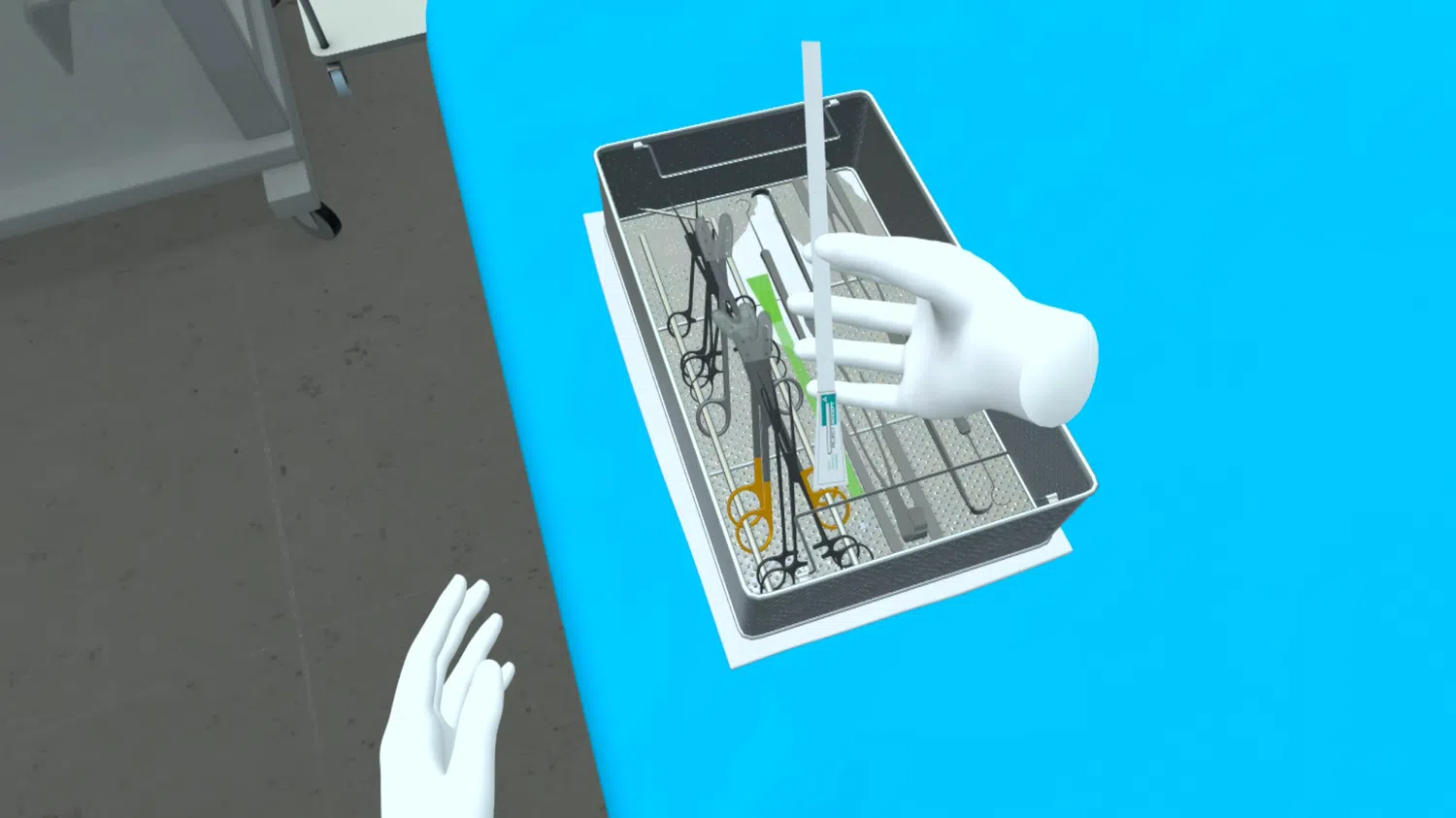
What Does a Sterile Processing Technician Do?
Sterile processing technicians help ensure that reusable medical instruments and equipment are properly processed according to established procedures. Their work supports operating rooms, hospitals, clinics, and other healthcare environments.
Depending on the workplace and scope of the position, responsibilities may include:
Receiving used instruments and medical devices
Cleaning and decontaminating equipment
Inspecting instruments for cleanliness and condition
Preparing instrument sets
Packaging items for sterilization
Operating sterilization equipment according to established procedures
Maintaining accurate records
Organizing sterile supplies
Following infection-prevention and workplace safety procedures
The work requires careful attention to detail because improperly processed equipment can create serious risks for patients and healthcare workers.
Why Choose Sterile Processing Technician Training?
Sterile processing involves much more than simply cleaning medical instruments. Technicians need to understand terminology, infection prevention, equipment handling, workflow, quality practices, and the importance of following established procedures.
A structured sterile processing technician online program may introduce learners to topics such as:
Medical terminology
Infection prevention fundamentals
Decontamination principles
Instrument identification
Inspection and preparation
Packaging and labeling
Sterilization concepts
Storage and distribution
Workplace safety
Quality assurance principles
Learning these concepts in an organized sequence can help beginners develop a stronger understanding of the profession.
What to Look for in an Online Sterile Processing Technician Program
There are many online healthcare courses available, so it is important to look carefully at what each program actually offers.
When evaluating an online sterile processing technician program, consider:
Relevant Curriculum
The lessons should cover the core concepts associated with sterile processing rather than focusing only on general healthcare information.
Clear Learning Materials
Medical terminology and instrument-related subjects can initially feel complicated. Well-organized explanations, visual resources, assessments, and practical examples can make learning easier.
Practical Learning Opportunities
Sterile processing is a hands-on field. Online education can teach foundational theory, but practical or supervised experience may also be required depending on the employer, credential, and location.
Transparent Credential Information
Students should understand whether a program provides a course-completion certificate, prepares them for a separate certification examination, or offers another type of educational credential.
Student Support
Access to appropriate educational resources and support can make a significant difference when learning technical healthcare subjects.
Understanding a Sterile Processing Technician Certificate Program
A sterile processing technician certificate program may provide education covering the fundamentals of sterile processing and related healthcare practices. However, students should carefully distinguish between a training certificate and professional certification.
Professional certification requirements can vary according to the credentialing organization, employer, and location. Some career pathways may involve additional education, examinations, practical experience, or other eligibility requirements.
Before enrolling, research the specific credential you intend to pursue and verify its current requirements with the relevant organization. Completing a training program does not automatically guarantee professional certification, employment, or eligibility to work in every healthcare setting.
Can You Take a Sterile Processing Technician Class Online?
A sterile processing technician class can be offered online, allowing students to study important concepts from home. This format may be helpful for people who need flexibility around work, family, or other responsibilities.
Online learning can be particularly useful for subjects such as:
Medical terminology
Sterile processing principles
Infection prevention
Instrument identification
Sterilization theory
Documentation
Safety procedures
However, students should remember that digital coursework and hands-on workplace experience are different. If a target position requires practical skills, students should find out how those requirements can be fulfilled before selecting an online program.
Skills Needed for Sterile Processing Work
Technical knowledge is only one part of preparing for this career. Sterile processing professionals also need strong workplace habits.
Attention to Detail
Instruments must be processed according to established procedures. Careful inspection and accurate documentation are important.
Organization
Sterile processing departments handle large numbers of instruments and supplies. Good organization supports efficient workflow.
Safety Awareness
Technicians may work with contaminated instruments, chemicals, sterilization equipment, and other workplace hazards. Following safety procedures is essential.
Consistency
Healthcare facilities depend on reliable processes. Technicians need to follow established instructions carefully rather than taking shortcuts.
Teamwork
Sterile processing teams work with nurses, surgical staff, infection-prevention professionals, and other healthcare workers.
Explore Sterile Processing Education With ImmerseLearn
ImmerseLearn offers career-focused vocational education designed to make technical learning more accessible through structured digital education and technology-based learning experiences.
For students exploring sterile processing, a well-organized educational pathway can help build foundational knowledge before moving toward additional practical experience or professional credentials.
When evaluating ImmerseLearn or any other training provider, review the curriculum, learning format, practical components, credential information, and career-support resources. This allows you to understand what the program can realistically provide and whether it fits your career goals.
Who Can Benefit From Sterile Processing Training Online?
This type of education may appeal to people who:
Are exploring entry-level healthcare careers
Prefer technical work in a healthcare environment
Want to learn about infection prevention and medical instruments
Are considering a career change
Need flexible vocational education
Enjoy organized, detail-oriented work
Want to understand sterile processing before pursuing additional training
Sterile processing may not be the right fit for everyone, so learning about the actual working environment and responsibilities is an important part of career planning.
Frequently Asked Questions
What is Sterile Processing Technician Training Online?
It is online education that introduces learners to sterile processing concepts, including decontamination, instrument preparation, packaging, sterilization, storage, safety, and infection-prevention fundamentals.
Can I become a sterile processing technician through an online program?
Online education can provide foundational knowledge, but requirements vary. Some positions or certification pathways may require practical training, examinations, experience, or other qualifications.
What is included in a sterile processing technician certificate program?
Programs may cover medical terminology, infection prevention, instrument handling, decontamination, inspection, packaging, sterilization, storage, documentation, and safety.
Is sterile processing a healthcare career?
Yes. Sterile processing technicians support healthcare operations by processing reusable medical instruments and supplies according to established procedures.
Does completing an online program guarantee certification?
No. Training completion and professional certification are separate in many career pathways. Always check the current requirements of the relevant certification organization and your intended employer or location.
Final Thoughts
Sterile processing is an important healthcare support field where accuracy, consistency, organization, and safety matter every day. Building a strong foundation can help prospective technicians understand the responsibilities of the profession before pursuing practical experience and additional credentials.
Sterile Processing Technician Training Online can provide flexibility while introducing learners to essential concepts such as infection prevention, decontamination, instrument preparation, sterilization, packaging, and workplace safety. At the same time, students should research practical and certification requirements carefully because they can differ by employer, credentialing organization, and location.
If you are considering this career path, focus on education that provides genuine understanding rather than simply completing a course. ImmerseLearn gives learners an opportunity to explore structured vocational education while building knowledge relevant to sterile processing and healthcare careers.