Behind every successful surgical procedure is a team of healthcare professionals working carefully to protect patients from preventable infections. Sterile processing technicians play an important role in that process by cleaning, inspecting, preparing, sterilizing, storing, and distributing medical instruments and equipment. For people interested in healthcare but who prefer an important behind-the-scenes role, Sterile Processing Technician Training can be a valuable starting point for exploring this career path.
Choosing the right training is important because sterile processing requires accuracy, consistency, knowledge of infection prevention, and a strong understanding of established procedures. A good educational program should help learners understand the responsibilities of the profession and prepare them to continue developing their skills through appropriate practical experience and professional requirements.
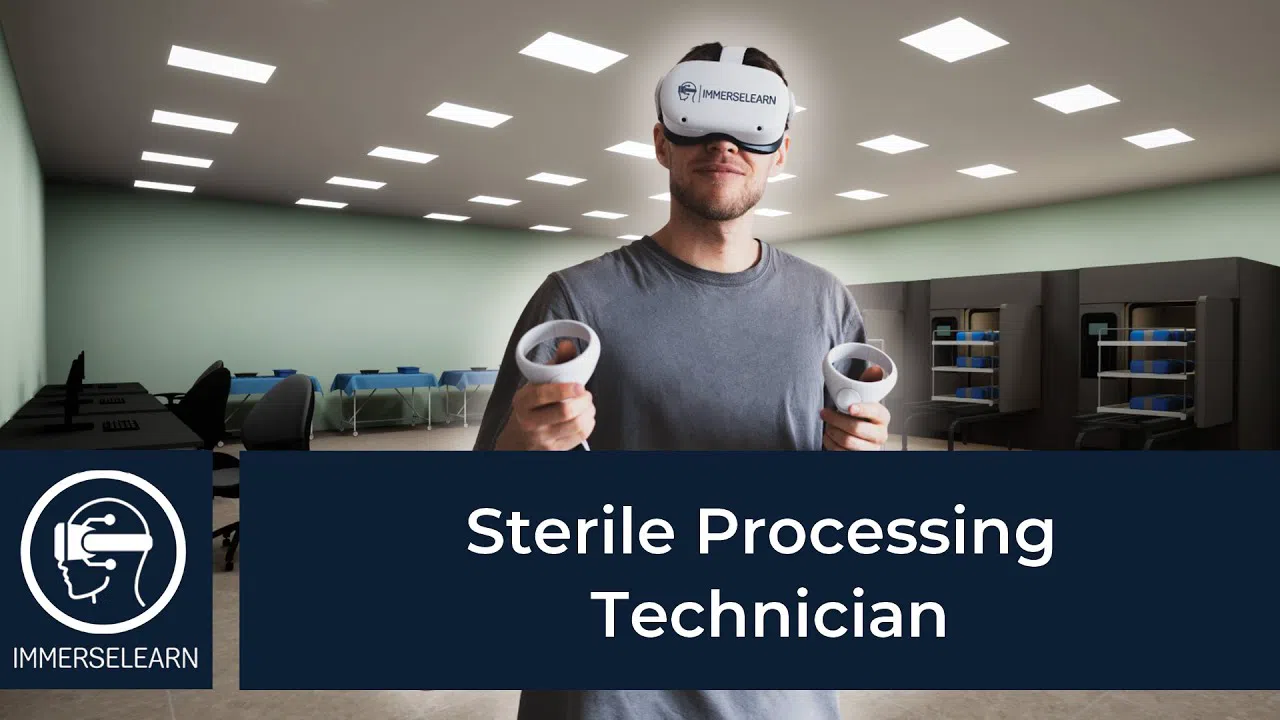
What Does a Sterile Processing Technician Do?
Sterile processing technicians, also known as central service or sterile processing professionals in some healthcare settings, help ensure that reusable medical instruments are properly processed before they are used again.
Depending on the healthcare facility and local requirements, responsibilities may include:
Receiving used medical instruments
Cleaning and decontaminating equipment
Inspecting instruments for damage or contamination
Preparing instrument trays and surgical supplies
Packaging instruments for sterilization
Operating sterilization equipment according to established procedures
Maintaining accurate processing records
Storing sterile supplies appropriately
Delivering processed instruments to clinical departments
This work requires concentration because even a small mistake in an instrument-processing workflow can have serious consequences for patient safety.
Why Choose Sterile Processing Technician Training?
A structured training program can help beginners understand the terminology, procedures, and responsibilities associated with sterile processing. Rather than learning from scattered online resources, students can follow a more organized curriculum.
Training may introduce learners to areas such as:
Infection prevention and control
Medical terminology
Decontamination procedures
Instrument identification
Cleaning and inspection processes
Packaging and preparation
Sterilization principles
Storage and distribution
Workplace safety
Professional responsibilities
Understanding these fundamentals can give learners a clearer picture of what working in a sterile processing department involves.
Skills Needed for a Sterile Processing Career
Sterile processing is a detail-oriented healthcare profession. Technical knowledge is important, but personal qualities also matter.
Successful professionals in this field often need:
Attention to detail: Instruments and supplies must be handled carefully and processed according to established procedures.
Organization: Sterile processing departments can manage large volumes of equipment, making organization essential.
Consistency: Following established procedures every time helps support quality and patient safety.
Communication: Technicians work with nurses, surgical teams, supervisors, and other healthcare professionals.
Responsibility: The work directly contributes to the safety and efficiency of healthcare services.
People who enjoy structured, technical, and process-focused work may find sterile processing an interesting healthcare career option.
Understanding Sterile Processing Technician Certification
Education and certification are not always the same thing. Sterile Processing Technician Certification requirements can vary depending on the credential, employer, healthcare facility, and location.
Before enrolling in a training program, prospective students should research the certification pathway relevant to their career goals. Some employers may prefer or require certification, while other positions may have additional education or experience requirements.
Students should also verify whether a particular training program meets the educational requirements of the certification organization they intend to pursue. Requirements can change, so checking the current information directly with the relevant credentialing organization is an important step.
What to Look for in a Sterile Processing Program
Choosing an education provider should be based on more than course length or price. Consider the following factors before enrolling:
Comprehensive Curriculum
Look for a program that covers important sterile processing concepts, including decontamination, cleaning, inspection, preparation, sterilization, storage, and infection prevention.
Practical Relevance
Sterile processing involves physical equipment and established workplace procedures. Find out whether the program offers practical learning and what additional hands-on experience may be required.
Clear Program Information
A trustworthy education provider should clearly explain the curriculum, learning format, program requirements, costs, and expected outcomes.
Career Alignment
Make sure the training fits your intended career pathway. If certification is part of your plan, confirm that the education you choose aligns with the current requirements of the credential you are pursuing.
How ImmerseLearn Can Support Healthcare Learning
ImmerseLearn provides healthcare-focused educational opportunities for people exploring different professional pathways. Its resources can help learners build foundational knowledge and understand the concepts associated with healthcare careers.
For someone considering sterile processing, exploring educational content before committing to a career path can be useful. Learners can use this stage to understand the responsibilities involved, identify the skills they need to develop, and research any certification or practical requirements that may apply.
As with any healthcare education decision, students should review the official program information carefully and compare it with their personal career goals.
Is Sterile Processing a Good Career Option?
Sterile processing can appeal to people who want to contribute to patient care without necessarily working directly with patients throughout the day. The work is closely connected to surgical and clinical operations, and accuracy is an essential part of the role.
It may be particularly suitable for someone who:
Enjoys organized and technical work
Has strong attention to detail
Is comfortable following established procedures
Wants to work in a healthcare environment
Takes responsibility seriously
Is interested in infection prevention and medical equipment
However, students should research local employment opportunities, employer expectations, certification requirements, and career progression before making a final decision.
Frequently Asked Questions
What is sterile processing technician training?
Sterile processing technician training introduces learners to the knowledge and procedures associated with cleaning, inspecting, preparing, sterilizing, storing, and distributing reusable medical instruments.
Is certification required for sterile processing technicians?
Requirements vary by location, employer, and certification pathway. Students should verify current requirements with relevant certification organizations and potential employers.
Can sterile processing training be completed online?
Some programs offer online education. However, sterile processing is a practical profession, so learners should determine whether hands-on training or supervised experience is required for their intended career pathway.
What skills are important for sterile processing technicians?
Attention to detail, organization, consistency, communication, responsibility, and the ability to follow safety and processing procedures are important qualities.
How do I choose the right program?
Compare the curriculum, learning format, practical requirements, instructor support, program transparency, and alignment with your career or certification goals.
Final Thoughts
Starting a healthcare career requires thoughtful planning, especially when the role involves patient safety. Sterile Processing Technician Training can provide foundational knowledge for individuals interested in learning about instrument processing, infection prevention, sterilization, and healthcare support operations.
The right program should offer clear educational information and realistic expectations about practical training, certification, and employment requirements. Take time to research your options, confirm current requirements, and choose education that matches your long-term goals.
ImmerseLearn can be a useful starting point for learners who want to explore healthcare education and learn more about potential career pathways in this field.