Nursing assistants provide essential hands-on support to patients and work closely with nurses and other healthcare professionals. Their responsibilities can include helping patients with daily activities, maintaining comfort, supporting mobility, observing changes, and following established safety and infection-control procedures. For people who want to build a career in healthcare while working in a patient-focused environment, choosing the right Certified Nursing Assistant online training can be a convenient way to begin learning the fundamentals.
Nursing assistants can work in hospitals, nursing homes, rehabilitation centers, assisted living communities, home-care environments, and other healthcare settings. The exact responsibilities and credentialing requirements depend on the employer, job title, and applicable state or local regulations. Because the work involves direct patient interaction, professional education and appropriate practical preparation are important.
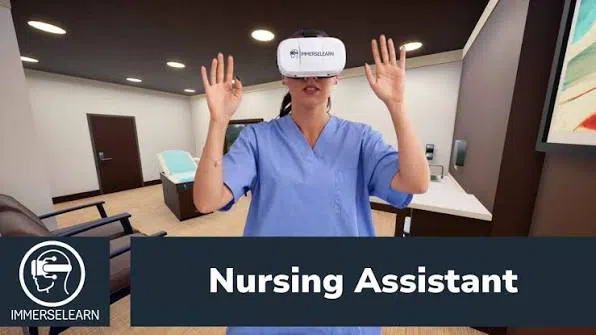
What Does a Nursing Assistant Do?
A nursing assistant supports patients with everyday care while working within an authorized scope and under the direction of appropriate healthcare professionals. Depending on the workplace, common responsibilities may include:
Helping patients with bathing, grooming, and personal hygiene
Assisting with dressing and everyday activities
Supporting safe movement and transfers
Helping patients maintain comfortable positions
Supporting meal and hydration routines
Taking certain basic measurements when permitted
Keeping patient areas clean and organized
Observing patients and reporting relevant changes
Communicating respectfully with patients and families
Following infection-prevention and workplace safety procedures
Because nursing assistants may spend significant time with patients, they can play an important role in noticing changes in comfort, behavior, mobility, or general condition and communicating concerns to the appropriate healthcare professional.
Why Is Certified Nurses Assistant Training Important?
Working with patients requires compassion, but compassion alone is not enough. Nursing assistants need an understanding of safe patient handling, personal care, infection prevention, communication, privacy, and professional responsibilities.
A structured certified nurses assistant training pathway can help learners develop foundational knowledge before pursuing employment, certification, or additional education. Training can also help prospective nursing assistants understand what the job involves and decide whether it matches their interests and career goals.
A strong educational experience should encourage students to understand the reasons behind healthcare procedures. This helps learners appreciate why consistency, safety, communication, and respect are essential in patient care.
What Can You Learn Through Training for Nursing Assistant Careers?
A comprehensive program may cover several core areas.
Basic Patient Care
Students can learn fundamental concepts for assisting patients with personal hygiene, dressing, mobility, positioning, and other daily activities while protecting dignity and privacy.
Infection Prevention
Infection-control practices are a major part of healthcare. Learners may study hand hygiene, protective equipment, environmental cleanliness, and other basic safety principles.
Patient Safety
Training may introduce safe approaches to movement, transfers, positioning, fall prevention, and recognizing situations that should be reported to qualified healthcare professionals.
Vital Signs and Observation
Depending on the curriculum and applicable scope of practice, students may learn basic concepts related to vital signs and patient observations. Accurate reporting is an important part of supporting the healthcare team.
Communication and Professionalism
Nursing assistants regularly interact with patients and healthcare staff. Training can help learners develop respectful communication, active listening, confidentiality awareness, and professional workplace habits.
Benefits of Online Nursing Assistant Training
Online learning can be helpful for students who need flexibility in their education. Online nursing assistant training may provide access to lessons and study materials from a convenient location, depending on the program structure.
Potential advantages include:
Flexible study schedules
Convenient access to learning resources
Ability to review lessons when needed
Reduced travel to a classroom
An opportunity to study around work or family commitments
A structured introduction to nursing assistant concepts
However, online coursework does not necessarily replace practical skills training or clinical experience. Certification and employment requirements vary by location. Students should verify whether supervised hands-on training, examinations, registration, background checks, or other requirements apply to their intended career pathway.
How to Choose the Right Nursing Assistant Program
Before enrolling, prospective students should look beyond the program title and carefully review what is included.
Consider:
Curriculum and learning objectives
Training format and schedule
Patient-care topics covered
Learning materials and student support
Practical or clinical training requirements
Instructor or education-provider information
Certification and examination requirements
Employer expectations in your intended location
It is also important to check current requirements with the appropriate state or local authority. Completing an educational program does not automatically mean that every certification or employment requirement has been fulfilled.
Why Consider ImmerseLearn?
ImmerseLearn provides career-focused educational resources for learners exploring opportunities in healthcare. Its nursing assistant pathway can help students develop foundational knowledge and gain a better understanding of patient-support responsibilities.
When selecting healthcare education, learners should consider their long-term goals, preferred learning format, available study time, and the professional requirements in the location where they plan to work. Choosing education based on these factors can help create a more realistic and useful career plan.
Nursing assistance is a people-centered profession that requires patience, responsibility, attention to detail, and respect for every patient. Education can provide the knowledge base, while practical experience and professional development help learners apply that knowledge responsibly.
For individuals looking for a meaningful way to explore healthcare, nursing assistance can be a valuable career direction. With appropriate training, practical preparation, and a clear understanding of local requirements, aspiring nursing assistants can take a confident step toward becoming dependable members of a healthcare team.