Aircraft depend on electronic systems for communication, navigation, monitoring, displays, and many other functions. As aviation technology becomes more advanced, understanding these systems requires a combination of electronics knowledge, technical thinking, attention to detail, and safety awareness.
For someone interested in aviation and electronics, learning the fundamentals can be a useful first step. ImmerseLearn offers career-focused learning that helps students explore technical subjects in a structured and accessible way. Before choosing any aviation program, it is also important to understand the difference between education, professional certification, licensing, and hands-on experience.
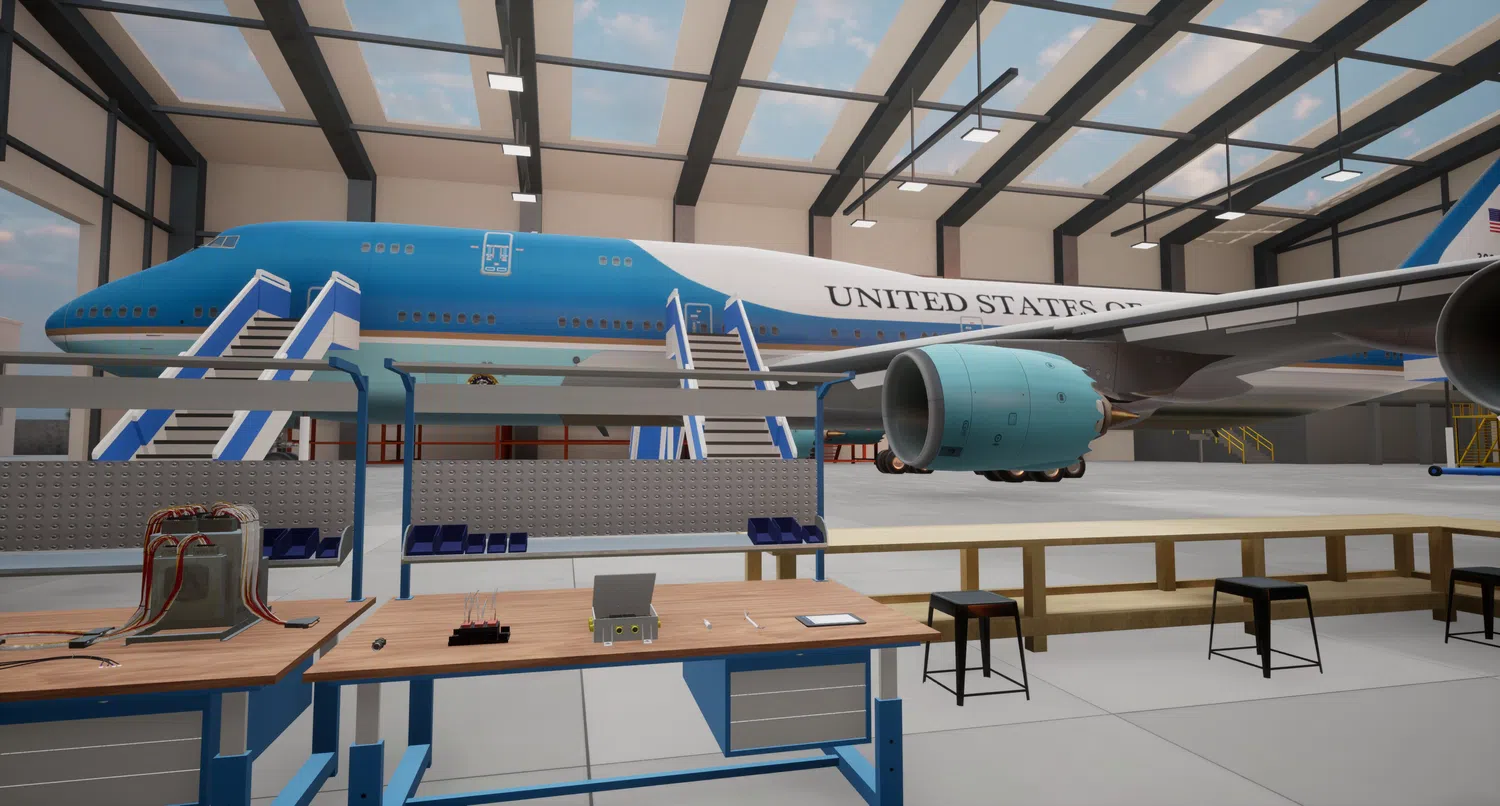
Where Avionics Fits Into Modern Aviation
Avionics refers broadly to the electronic systems used in aircraft. These systems can be found throughout modern airplanes and may support functions such as:
Communication between aircraft and ground stations
Navigation and positioning
Flight displays and instrumentation
Electronic monitoring
Sensors and data systems
Warning and indication systems
Aircraft electrical and electronic interfaces
Because these systems are interconnected, technicians need more than basic knowledge of individual electronic components. They need to understand how systems work together and how to approach technical problems methodically.
What You Can Learn in Avionics Technician Training
A well-structured Avionics Technician Training program can introduce learners to the technical concepts behind aircraft electronic systems.
Depending on the curriculum, students may explore:
Electronics Fundamentals
Understanding circuits, electrical principles, components, signals, and measurements creates a foundation for more specialized aviation electronics topics.
Aircraft Electronic Systems
Learners can become familiar with the purpose and operation of systems used for communication, navigation, instrumentation, monitoring, and related aircraft functions.
Troubleshooting Principles
Technical troubleshooting requires a logical process. Learners should understand how to identify symptoms, consult appropriate technical information, perform suitable checks, and narrow down possible causes.
Technical Documentation
Aviation technicians work with technical manuals, diagrams, specifications, procedures, and maintenance records. Developing confidence with technical documentation is an important part of technical education.
Choosing an Avionics Technician Course
Searching for an Avionics Technician Course can produce many different types of programs. The most suitable option depends on your existing knowledge and your professional goal.
Before enrolling, consider:
Is the course suitable for beginners?
What electronics topics are covered?
Does it explain aviation applications?
Is the curriculum clearly organized?
What learning support is provided?
Are practical requirements explained?
Does the provider clearly describe the credential awarded?
Will additional aviation authority requirements apply?
These questions help you evaluate a course based on its actual content rather than its marketing language.
The Skills Behind Good Avionics Work
Technical knowledge is only one part of working with aircraft electronics. The work also requires a careful and responsible approach.
A technician may need to spend considerable time checking information, examining connections, interpreting test results, and documenting work. Rushing through a technical task can create unnecessary risks.
Useful professional qualities include:
Attention to detail: Accurate work matters when dealing with complex aircraft systems.
Logical thinking: Troubleshooting requires an organized approach to identifying problems.
Patience: Some faults are not immediately obvious and may require systematic investigation.
Safety awareness: Aviation technical work must be performed according to applicable procedures.
Communication: Technicians often work as part of a larger maintenance or engineering team.
Continuous learning: Aircraft technology evolves, so professionals need to keep developing their knowledge.
What to Know About Avionics Technician Certification
The term Avionics Technician Certification can mean different things depending on the country, training provider, aviation authority, and job role.
A certificate from an educational program does not automatically mean that a learner holds a government-issued aviation license or authorization to perform regulated maintenance. Professional requirements can include specific education, examinations, practical experience, approved training, or other conditions.
If your goal is to work professionally in aviation, research the requirements of the aviation authority and employers in the location where you intend to work. This is particularly important because aviation regulations are jurisdiction-specific.
Is Avionics Training Right for You?
Avionics Training may be a good area to explore if you enjoy technology and prefer understanding how complex systems function.
It can be particularly interesting for people who like:
Electronics and electrical concepts
Technical problem-solving
Aircraft and aviation technology
Working with diagrams and technical information
Investigating faults
Detailed, procedure-based work
Learning new technology
You do not need to decide on a specific aviation job immediately. Building foundational knowledge can help you understand the field and decide whether further education or practical training makes sense for your goals.
A Different Approach to Learning With ImmerseLearn
ImmerseLearn focuses on career-oriented education that helps learners explore technical and vocational subjects through accessible learning formats.
For students interested in avionics, structured online education can provide a convenient way to study foundational concepts and become familiar with aviation electronics. Instead of learning isolated terms from different websites, students can follow a more organized path and gradually build their understanding.
However, online education should be viewed as one part of a broader professional journey when a particular aviation position requires hands-on training, regulatory approval, examinations, or licensing.
Before enrolling, read the program information carefully and compare it with the requirements of the aviation career you are targeting.
Frequently Asked Questions
What does an avionics technician do?
An avionics technician works with aircraft electronic systems. Depending on the position, responsibilities can include inspection, testing, troubleshooting, installation support, maintenance activities, and technical documentation.
Can beginners take an avionics technician course?
Yes, some courses are designed to introduce beginners to electronics and aviation technology. Check the individual program's prerequisites before enrolling.
Can avionics training be completed online?
Some theoretical and foundational subjects can be studied online. However, specific aviation jobs may require practical experience or approved hands-on training in addition to online education.
Is avionics certification the same as an aviation license?
No. An educational certificate and a regulatory license or authorization are not necessarily the same credential. Requirements vary by location and professional role.
What should I study before pursuing avionics?
Basic electronics, electrical principles, troubleshooting, technical documentation, aviation systems, and safety concepts can provide useful foundations.
Turn Interest in Aviation Technology Into Structured Learning
Avionics sits at the intersection of aviation and electronics, making it an appealing field for people who enjoy technical problem-solving and modern technology. But building a career in this area involves more than completing a course. Understanding the required skills, practical experience, certifications, and local aviation regulations is equally important.
Starting with structured education can help you develop foundational knowledge and make better decisions about your next step. ImmerseLearn gives learners an accessible way to explore aviation electronics while they continue researching the professional requirements relevant to their intended career.
Learn more: https://immerselearn.com/aircraft-electronics-technician