The mountains of Nepal rise so high they seem to touch the sky. Snow shines on their peaks, and clouds drift slowly past their sides. The air feels fresh, and the land feels alive. Trekking in Nepal is more than a walk through nature. It is a journey through tall mountains, quiet forests, and villages full of warm smiles. Every trail tells a story, and every step brings a new view that feels magical.
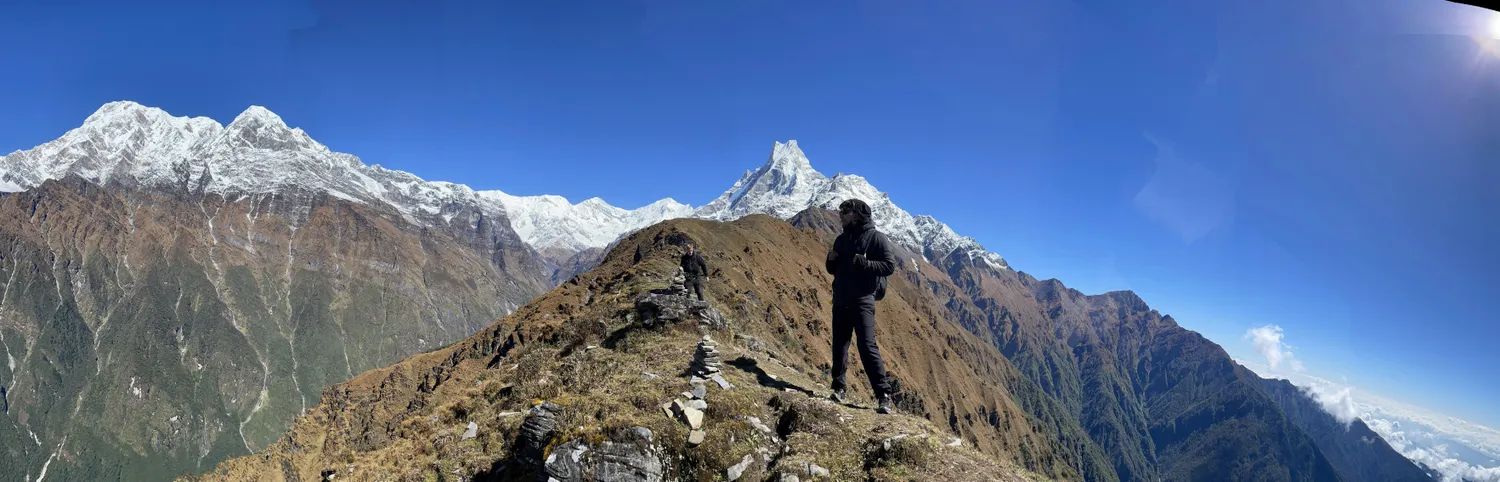
Nepal sits in the heart of the Himalayas, the tallest mountain range on Earth. Eight of the world’s fourteen highest peaks stand here. Because of this, trekkers from all over the world come to explore its paths. Some trails are gentle and easy, while others are long and challenging. But all of them share one thing: beauty that feels endless.
The Magic of Nepal’s Trekking Trails
Trekking trails in Nepal pass through many kinds of land. One day may begin in green valleys filled with rice fields. The next day may lead through forests of pine and rhododendron trees. Higher up, the land becomes rocky and quiet, with snow-covered peaks in every direction.
Along the way, prayer flags flutter in the wind. Small stone walls and old bridges show the deep history of the land. Rivers rush down from glaciers, singing as they move. These sights and sounds make trekking feel calm and exciting at the same time.
Each trail offers something special. The Everest region shows tall peaks and strong winds. The Annapurna region offers warm villages and wide views. The Langtang region feels peaceful and close to nature. No matter the trail, the mountains always feel close, watching over every step.
People, Culture, and Village Life
Trekking in Nepal is not only about mountains. It is also about people. Many trails pass through small villages where families have lived for hundreds of years. Stone houses line narrow paths. Children wave and smile as trekkers pass by.
Local people often welcome visitors with tea and food. Simple meals like rice, lentils, and vegetables give strength for the journey. In the evenings, trekkers rest in tea houses, listening to stories and laughter. These moments help create a strong connection between visitors and local life.
Different regions are home to different cultures. Sherpa people live in the high Everest region and are known for their mountain skills. Gurung and Magar communities live along Annapurna trails. Each group has its own language, clothes, and traditions. Seeing these cultures along the trail makes the journey richer and more meaningful.
Nature and Wildlife Along the Way
Nepal’s trekking trails are full of life. Colorful birds fly through the trees. Yaks carry goods along narrow paths. In quiet forests, monkeys and deer may appear. In higher areas, snow leopards live far from the trail, hidden and rare.
The country has many national parks and protected areas. These places help keep nature safe. Flowers bloom in spring, especially rhododendrons, Nepal’s national flower. In autumn, the skies turn clear and blue, making the mountains shine even brighter.
Walking through these natural spaces helps people understand the value of protecting the Earth. Clean air, fresh water, and quiet forests feel precious here.
Why Trekking Feels So Special
Trekking in Nepal feels special because it slows life down. There are no busy roads or loud cities on the trail. Walking becomes the main task of the day. This simple rhythm helps clear the mind and relax the body.
Each day brings a goal, such as reaching the next village or hill. Reaching that goal feels rewarding. Watching the sunrise over the mountains feels peaceful and powerful. Even tired legs feel proud after a long walk.
The mountains also teach respect. Weather can change fast. Trails can be steep. These challenges remind trekkers to be patient and careful. This lesson often stays long after the trek ends.
Best Time to Explore the Trails
The best seasons for trekking in Nepal are spring (March to May) and autumn (September to November). During these times, the weather is stable and the views are clear. Spring brings flowers, while autumn offers cool air and bright skies.
Winter treks are possible at lower heights, but snow can block high passes. Summer brings rain, especially during the monsoon season. Trails become muddy, but the land turns green and fresh.
Choosing the right season helps make the journey safer and more enjoyable.
A Journey That Stays in the Heart
Trekking in Nepal leaves a lasting feeling. The mountains, the people, and the quiet paths stay in memory. Each trail shows how small humans are next to nature, yet how strong the human spirit can be.
The sky feels closer here. The mountains feel alive. Every step brings wonder and respect for the land. Nepal’s trekking trails offer more than adventure. They offer a deep connection to the world where mountains truly touch the sky.