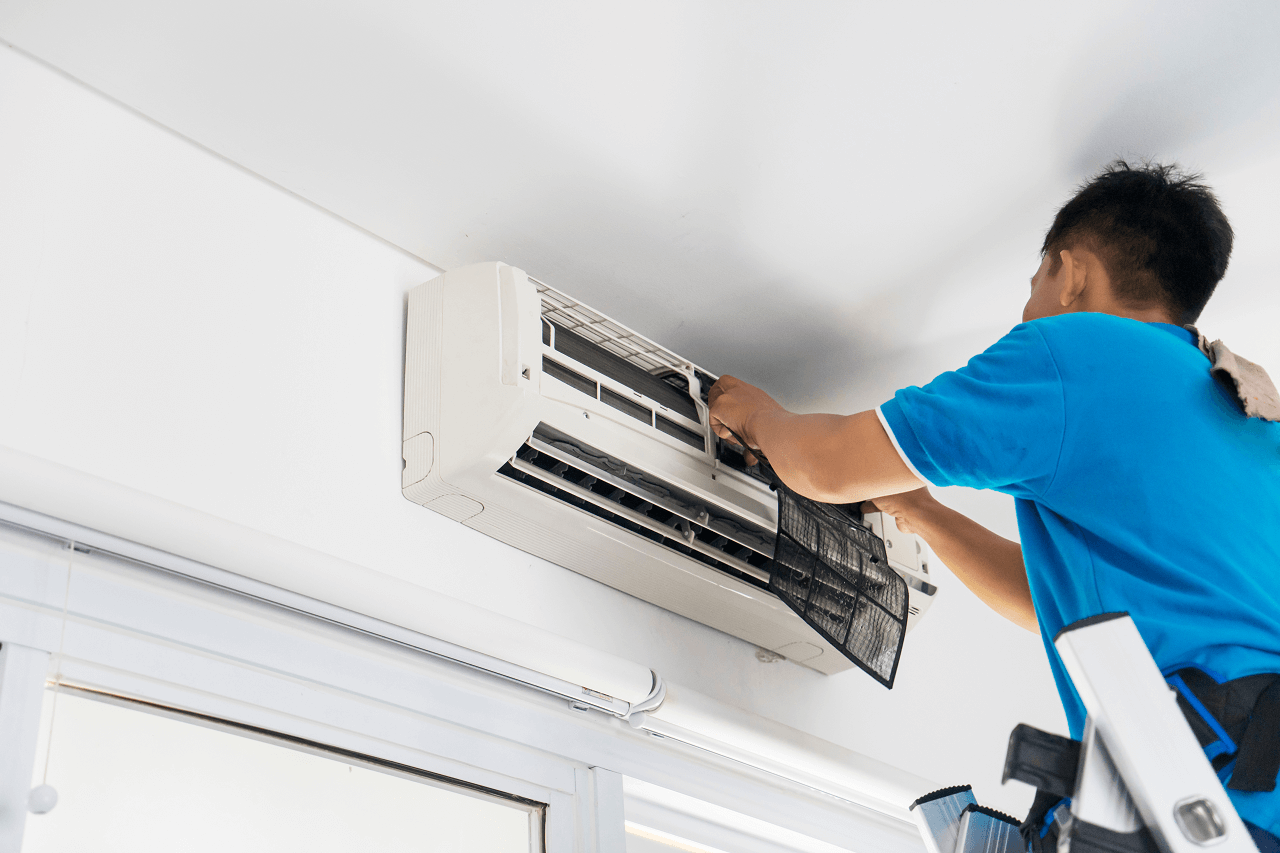
Air conditioning installation is a critical investment that directly affects comfort, energy efficiency, and long-term operating costs. When done correctly, a professionally installed system delivers consistent cooling, lower power bills, and extended equipment lifespan. When done poorly, it results in frequent breakdowns, uneven temperatures, high energy consumption, and unnecessary repair expenses. We understand that avoiding installation mistakes is essential to maximising performance and protecting your investment.
This comprehensive guide outlines the top mistakes to avoid during air conditioning installation, based on industry best practices and real-world outcomes. Each section addresses a common yet costly oversight that can compromise system efficiency, safety, and durability.
In Brisbane’s climate, where humidity and heat place higher demands on cooling systems, professional air conditioning installation in Brisbane requires careful planning, precise execution, and a strong understanding of local conditions to ensure optimal performance year-round.
Choosing the Wrong Air Conditioner Size
One of the most damaging mistakes during installation is selecting an incorrectly sized system. Oversized units cool spaces too quickly, leading to short cycling, poor humidity control, and higher energy bills. Undersized systems struggle to reach desired temperatures, operate continuously, and wear out faster.
Proper sizing requires a detailed load calculation that considers:
- Room dimensions and layout
- Insulation quality
- Window size and orientation
- Number of occupants
- Heat-generating appliances
We ensure accurate capacity selection to deliver balanced airflow, consistent temperatures, and optimal efficiency.
Ignoring Professional Site Assessment
Skipping a thorough site inspection often leads to poor system placement and performance issues. Every property is unique, and assumptions during installation can result in airflow restrictions, noise problems, and reduced efficiency.
A professional site assessment evaluates:
- Indoor and outdoor unit placement
- Electrical capacity and compliance
- Drainage requirements
- Structural limitations
- Future maintenance access
Failing to assess these factors before installation increases the risk of costly modifications later.
Incorrect Placement of Indoor Units
Indoor unit positioning significantly impacts airflow distribution and comfort. Poor placement can cause uneven cooling, hot spots, and excessive strain on the system.
Common placement errors include:
- Installing units too close to ceilings or walls
- Positioning units above heat sources
- Blocking airflow with furniture or fixtures
- Installing units in areas with poor circulation
Correct placement ensures uniform cooling, reduced energy consumption, and enhanced indoor comfort.
Improper Outdoor Unit Installation
The outdoor condenser unit is equally critical to system performance. Incorrect placement can lead to overheating, noise complaints, and reduced efficiency.
Mistakes to avoid include:
- Installing units in direct sunlight without ventilation
- Placing units too close to walls or obstructions
- Mounting on unstable or uneven surfaces
- Ignoring noise impact on neighbours
We prioritise proper airflow clearance, solid mounting, and strategic positioning to maintain optimal heat exchange and system longevity.
Poor Refrigerant Charging
Incorrect refrigerant levels are a common yet serious installation error. Both overcharging and undercharging reduce efficiency and increase wear on critical components.
Consequences of improper refrigerant charging include:
- Higher energy consumption
- Reduced cooling capacity
- Compressor damage
- Premature system failure
Precise refrigerant measurement and pressure testing are essential to ensure peak performance and compliance with manufacturer specifications.
Inadequate Electrical Connections
Air conditioning systems require safe, compliant electrical connections to operate reliably. Faulty wiring or undersized circuits pose safety risks and can cause system malfunctions.
Electrical mistakes often include:
- Using incorrect cable sizes
- Poor grounding
- Loose connections
- Non-compliance with local electrical codes
Professional installation ensures electrical integrity, system safety, and uninterrupted operation.
Neglecting Proper Drainage Setup
Condensation management is a critical aspect of air conditioning installation. Poor drainage can lead to water leaks, mould growth, and structural damage.
Drainage errors to avoid:
- Incorrect drain pipe slope
- Blocked or undersized drainage lines
- Poorly sealed connections
- Lack of overflow protection
We design drainage systems that efficiently remove condensation and protect indoor spaces from moisture-related issues.
Skipping System Testing and Commissioning
Failure to test the system after installation is a costly oversight. Comprehensive testing verifies correct operation, identifies potential issues, and ensures performance meets expectations.
Commissioning should include:
- Airflow measurement
- Temperature differential testing
- Refrigerant pressure checks
- Electrical load verification
- Thermostat calibration
Skipping this step leaves hidden faults undetected, increasing the likelihood of early failures.
Overlooking Insulation and Sealing
Even the most advanced air conditioning system cannot perform efficiently without proper insulation and sealing. Poorly sealed ductwork and inadequate insulation allow cooled air to escape, increasing energy usage.
Common insulation mistakes:
- Unsealed duct joints
- Poorly insulated refrigerant lines
- Gaps around wall penetrations
- Ignoring roof and ceiling insulation
Addressing these issues ensures maximum cooling efficiency and reduced operating costs.
Failing to Follow Manufacturer Guidelines
Each air conditioning system has specific installation requirements outlined by the manufacturer. Ignoring these guidelines voids warranties and compromises system performance.
Manufacturer specifications cover:
- Mounting clearances
- Refrigerant handling
- Electrical requirements
- Maintenance access
Adhering strictly to these standards ensures long-term reliability and warranty protection.
Not Planning for Future Maintenance
Accessibility for servicing is often overlooked during installation. Poor access increases maintenance costs and discourages regular servicing, leading to reduced efficiency over time.
Proper planning includes:
- Accessible filter placement
- Clearance for servicing panels
- Safe access to outdoor units
- Logical routing of piping and wiring
We design installations with long-term maintenance in mind to preserve system health.
Underestimating the Importance of Professional Installation
DIY or unqualified installations often result in performance issues, safety risks, and voided warranties. Professional expertise ensures precision, compliance, and optimal system configuration.
Professional installation delivers:
- Accurate system sizing
- Compliance with regulations
- Reliable performance
- Extended system lifespan
Avoiding shortcuts during installation protects your investment and ensures lasting comfort.
Conclusion: Install Right, Perform Better
Avoiding these common air conditioning installation mistakes is essential to achieving reliable cooling, energy efficiency, and long-term system performance. From correct sizing and placement to proper electrical work and commissioning, every detail matters.
We approach air conditioning installation with precision, expertise, and a commitment to quality, ensuring systems perform at their best from day one. By addressing these critical factors during installation, homeowners and businesses can enjoy consistent comfort, lower energy costs, and peace of mind for years to come.