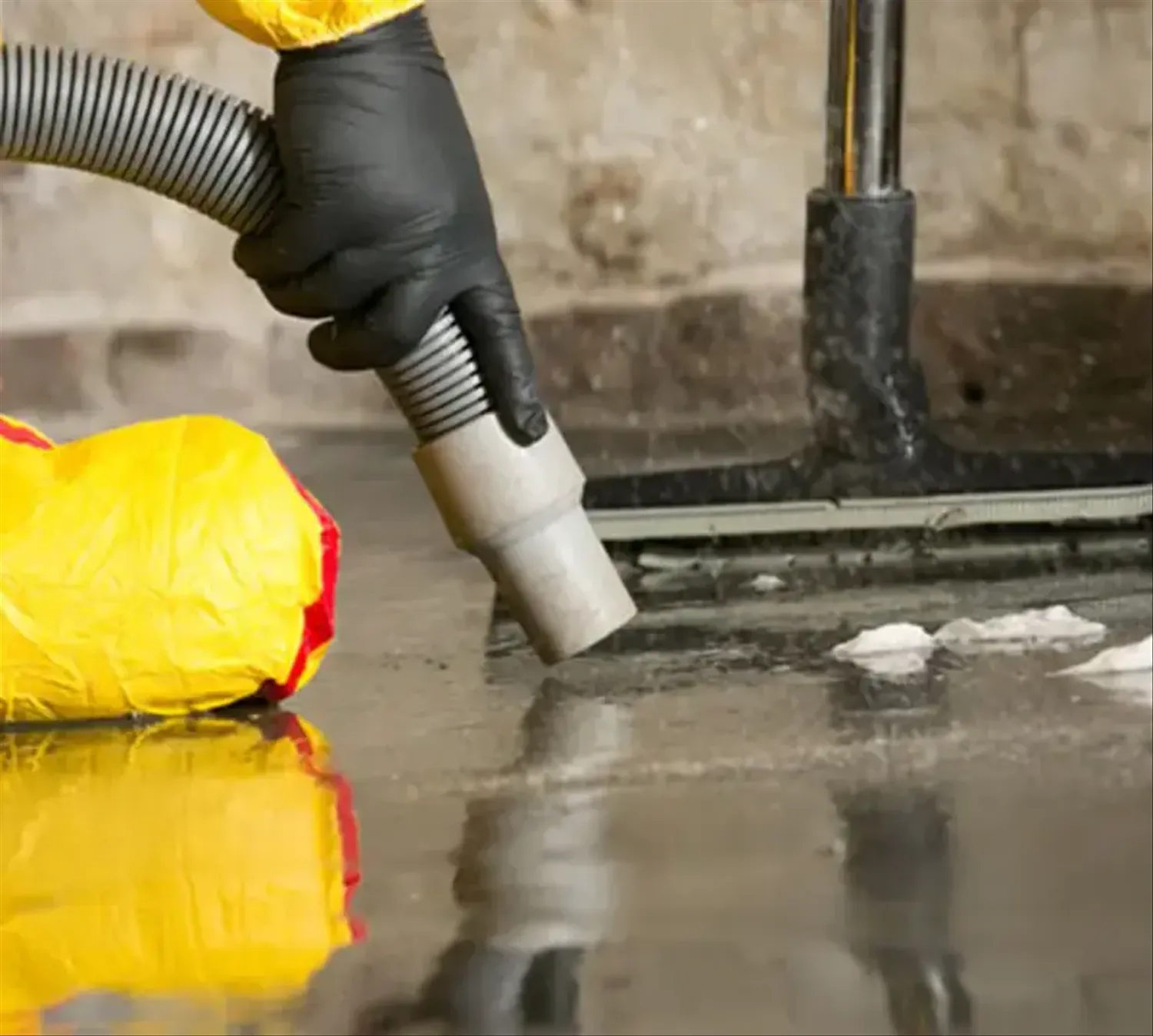
This crucial step sets the foundation for an effective response plan. In cities like Vancouver and Mississauga, where industrial operations and chemical handling are common, being prepared for chemical spill incidents is vital. That’s why professional services such as Ideal Response play a key role in ensuring compliance, safety, and proper remediation.
Step One: Assess the Situation and Ensure Personal Safety
The very first action anyone must take when a chemical spill occurs is to evaluate the scene for immediate hazards. Is the chemical flammable, corrosive, toxic, or reactive? Are there any exposed individuals? Is there a risk of the substance spreading to drains or open areas?
During this assessment phase:
- Evacuate the area if needed. Safety always comes first.
- Identify the chemical if it's safe to do so—check labels, material safety data sheets (MSDS), or signage.
- Avoid contact with the substance. Even minimal exposure to toxic chemicals can result in severe health effects.
- Shut off ignition sources in case the chemical is flammable.
This initial step determines the scale of the clean-up and whether trained professionals are needed. In most cases, untrained personnel should not attempt to handle chemical spill clean up on their own.
When to Call a Professional Service
If the spill involves hazardous chemicals, unknown substances, or large volumes, it’s critical to call in a certified remediation team. In locations such as Vancouver and Mississauga, chemical spill clean up must comply with provincial and federal regulations regarding waste handling, worker safety, and environmental protection.
Ideal Response is equipped with the right training, personal protective equipment (PPE), and chemical neutralizing agents. Their professionals can identify, contain, and remediate hazardous spills safely, minimizing long-term risks.
Next Step: Containment
After assessing the situation and securing personal safety, the next step is to contain the spill. This action helps prevent the chemical from spreading to other areas, drains, or into the air.
Containment may involve:
- Using spill containment kits (socks, pads, booms)
- Blocking drains
- Erecting physical barriers
- Ventilating the area (if vapors are present)
However, containment efforts should only be carried out by trained individuals or under the guidance of emergency response personnel. In chemical spill clean up Vancouver scenarios, for instance, strict municipal and environmental guidelines must be followed to prevent pollution of local water systems.
Control and Clean-Up
Once containment is successful, the actual clean-up begins. This involves:
- Applying neutralizers or absorbents specific to the chemical type
- Carefully collecting and storing contaminated materials
- Disposing of waste in accordance with hazardous material regulations
The clean-up phase is not just about physical removal; it also includes decontamination of surfaces and air monitoring to ensure no residual threat remains. Teams like Ideal Response are trained in using specialized equipment for chemical clean-up, including negative air machines, HEPA vacuums, and chemical-resistant tools.
Decontamination and Final Testing
After the spill has been physically removed, the affected area needs decontamination. This ensures that no chemical residues are left behind, which could be harmful to humans or the environment. Depending on the chemical, this may involve:
- Washing surfaces with neutralizing solutions
- Using steam or heat for sterilization
- Conducting air and surface tests for contaminants
Professionals carry out thorough inspections and, when needed, involve environmental agencies to ensure the area meets safety standards. In chemical spill clean up Mississauga, for example, local health and safety regulations often require documented clearance before reentry.
Documentation and Reporting
The final step in the process is documentation. All chemical spills—especially those involving hazardous materials—must be reported and recorded. This includes:
- A detailed incident report
- Waste disposal tracking
- Notifications to environmental or health authorities if required
Maintaining records helps organizations prevent future incidents, improve emergency response plans, and stay compliant with safety regulations.
Conclusion: Prioritize Safety from the Start
The first step in chemical spill clean up is always about protecting people and assessing the danger. Without this essential beginning, any further action could lead to greater harm or regulatory consequences.
Whether you’re dealing with a minor lab spill or a significant industrial leak in Vancouver or Mississauga, don’t underestimate the importance of immediate, trained intervention. Companies like Ideal Response ensure that every stage—from assessment to disposal—is handled with professionalism, speed, and safety.
tep in Chemical Spill Clean Up?
When a chemical spill occurs, time is of the essence. Whether the spill happens in an industrial setting, a laboratory, or a public area, the initial response can significantly impact the safety of people and the environment. The first step in chemical spill clean up is not grabbing a mop or reaching for cleaning products—it’s assessing the situation and ensuring safety.
This crucial step sets the foundation for an effective response plan. In cities like Vancouver and Mississauga, where industrial operations and chemical handling are common, being prepared for chemical spill incidents is vital. That’s why professional services such as Ideal Response play a key role in ensuring compliance, safety, and proper remediation.
Step One: Assess the Situation and Ensure Personal Safety
The very first action anyone must take when a chemical spill occurs is to evaluate the scene for immediate hazards. Is the chemical flammable, corrosive, toxic, or reactive? Are there any exposed individuals? Is there a risk of the substance spreading to drains or open areas?
During this assessment phase:
- Evacuate the area if needed. Safety always comes first.
- Identify the chemical if it's safe to do so—check labels, material safety data sheets (MSDS), or signage.
- Avoid contact with the substance. Even minimal exposure to toxic chemicals can result in severe health effects.
- Shut off ignition sources in case the chemical is flammable.
This initial step determines the scale of the clean-up and whether trained professionals are needed. In most cases, untrained personnel should not attempt to handle chemical spill clean up on their own.
When to Call a Professional Service
If the spill involves hazardous chemicals, unknown substances, or large volumes, it’s critical to call in a certified remediation team. In locations such as Vancouver and Mississauga, chemical spill clean up must comply with provincial and federal regulations regarding waste handling, worker safety, and environmental protection.
Ideal Response is equipped with the right training, personal protective equipment (PPE), and chemical neutralizing agents. Their professionals can identify, contain, and remediate hazardous spills safely, minimizing long-term risks.
Next Step: Containment
After assessing the situation and securing personal safety, the next step is to contain the spill. This action helps prevent the chemical from spreading to other areas, drains, or into the air.
Containment may involve:
- Using spill containment kits (socks, pads, booms)
- Blocking drains
- Erecting physical barriers
- Ventilating the area (if vapors are present)
However, containment efforts should only be carried out by trained individuals or under the guidance of emergency response personnel. In chemical spill clean up Vancouver scenarios, for instance, strict municipal and environmental guidelines must be followed to prevent pollution of local water systems.
Control and Clean-Up
Once containment is successful, the actual clean-up begins. This involves:
- Applying neutralizers or absorbents specific to the chemical type
- Carefully collecting and storing contaminated materials
- Disposing of waste in accordance with hazardous material regulations
The clean-up phase is not just about physical removal; it also includes decontamination of surfaces and air monitoring to ensure no residual threat remains. Teams like Ideal Response are trained in using specialized equipment for chemical clean-up, including negative air machines, HEPA vacuums, and chemical-resistant tools.
Decontamination and Final Testing
After the spill has been physically removed, the affected area needs decontamination. This ensures that no chemical residues are left behind, which could be harmful to humans or the environment. Depending on the chemical, this may involve:
- Washing surfaces with neutralizing solutions
- Using steam or heat for sterilization
- Conducting air and surface tests for contaminants
Professionals carry out thorough inspections and, when needed, involve environmental agencies to ensure the area meets safety standards. In chemical spill clean up Mississauga, for example, local health and safety regulations often require documented clearance before reentry.
Documentation and Reporting
The final step in the process is documentation. All chemical spills—especially those involving hazardous materials—must be reported and recorded. This includes:
- A detailed incident report
- Waste disposal tracking
- Notifications to environmental or health authorities if required
Maintaining records helps organizations prevent future incidents, improve emergency response plans, and stay compliant with safety regulations.
Conclusion: Prioritize Safety from the Start
The first step in chemical spill clean up is always about protecting people and assessing the danger. Without this essential beginning, any further action could lead to greater harm or regulatory consequences.
Whether you’re dealing with a minor lab spill or a significant industrial leak in Vancouver or Mississauga, don’t underestimate the importance of immediate, trained intervention. Companies like Ideal Response ensure that every stage—from assessment to disposal—is handled with professionalism, speed, and safety.