A sewer backup cleanup is never something homeowners want to experience twice. After the mess has been removed and your property has been restored, the next priority should be preventing the problem from happening again. Taking the right preventive steps protects your home, saves money, and reduces the risk of serious property damage.
At Ideal Response, we help homeowners recover from sewer emergencies and understand how to keep their homes safer in the future. Here are practical ways to prevent future sewer backups after professional cleanup.
Understand What Caused the Sewer Backup
The first step toward prevention is identifying why the backup happened. Common causes include clogged pipes, tree root intrusion, aging sewer lines, heavy rainfall, or damaged municipal systems. A professional inspection can determine the exact issue so you can address it before it leads to another emergency.
Once you know the cause, you can make targeted repairs instead of waiting for another costly incident.
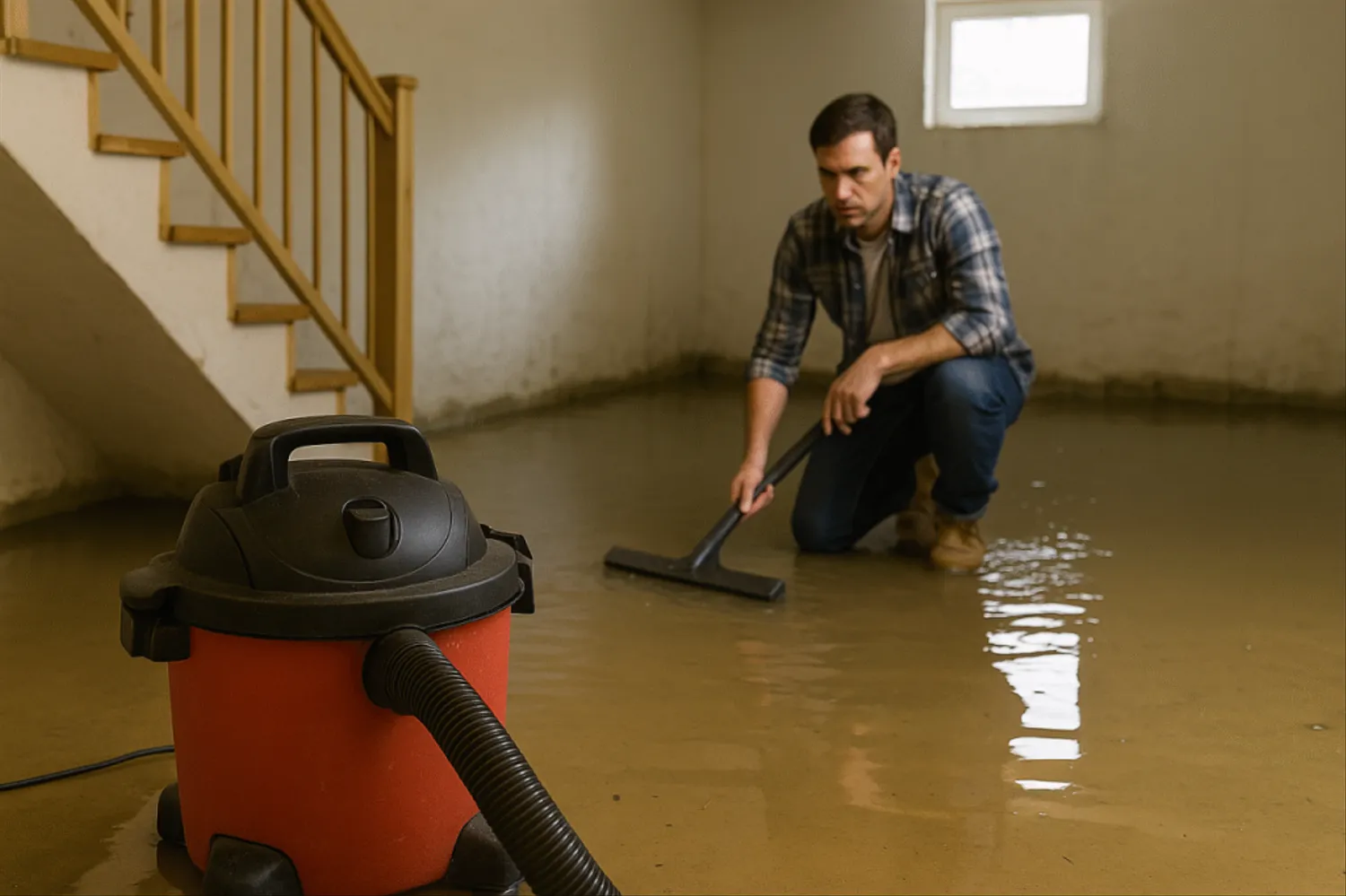
Schedule Regular Drain and Sewer Inspections
Routine maintenance is one of the best ways to avoid future sewer problems. Professional inspections help detect small blockages, pipe damage, or root growth before they become major issues.
Regular maintenance also reduces the likelihood of unexpected home flood situations caused by overflowing drains or backed-up sewer lines. Catching problems early is always less expensive than dealing with emergency restoration.
Dispose of Waste Properly
Many sewer backups happen because homeowners flush items that should never enter the plumbing system. Avoid flushing products such as:
- Baby wipes
- Paper towels
- Grease and cooking oil
- Feminine hygiene products
- Cotton swabs
- Food scraps
Even products labeled as "flushable" can contribute to pipe blockages over time. Proper disposal habits help keep your plumbing system flowing smoothly.
Install a Backwater Valve
A backwater valve prevents sewage from flowing back into your home during heavy rain or municipal sewer overloads. This simple device allows wastewater to leave your property while blocking reverse flow.
Installing a backwater valve is one of the most effective ways to reduce the risk of future sewer backup cleanup needs, especially in areas prone to flooding.
Maintain Your Landscaping
Tree roots naturally seek moisture and can invade underground sewer lines through tiny cracks. Once inside, they continue growing until they create significant blockages.
Keep large trees away from sewer lines whenever possible and schedule periodic root inspections if mature trees already surround your property. Proper landscaping can prevent expensive pipe repairs and future backups.
Address Water Damage Immediately
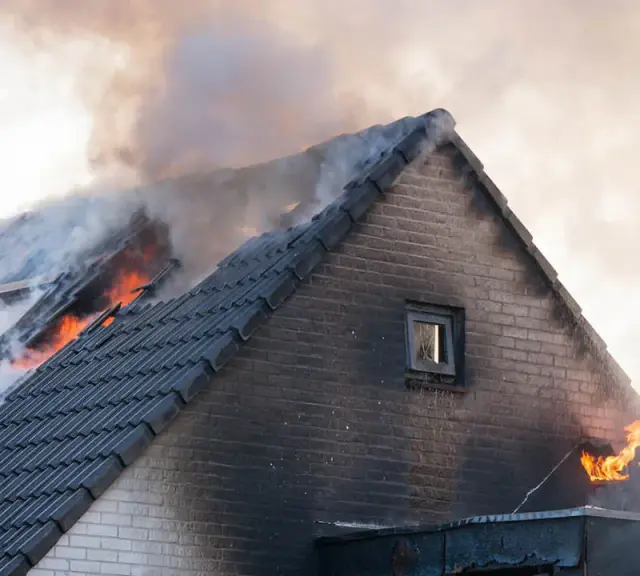
Even after successful cleanup, hidden moisture can remain inside walls, flooring, and structural materials. Prompt water damage repair helps prevent mold growth, structural deterioration, and lingering odors.
Professional restoration teams use specialized drying equipment and moisture detection tools to ensure your home is completely dry before repairs are finished.
Know the Real Cost of Delaying Repairs
Many homeowners focus only on the immediate sewage backup cleanup cost, but delaying repairs often leads to much higher expenses. Minor plumbing issues can quickly become major restoration projects if ignored.
Investing in preventive maintenance, inspections, and timely repairs is far more affordable than replacing damaged flooring, drywall, furniture, and personal belongings after another sewer backup.
Partner with Experienced Restoration Professionals
Preventing future sewer backups requires more than simply cleaning the affected area. Working with experienced professionals ensures every part of the restoration process is handled correctly, from sanitation and drying to identifying the underlying cause.
Ideal Response provides comprehensive restoration services that help homeowners recover quickly while reducing the risk of future sewer emergencies. With expert guidance, professional inspections, and reliable restoration solutions, you can protect your property and enjoy greater peace of mind.
Conclusion
Recovering from a sewer backup is only the beginning. Preventive maintenance, responsible plumbing habits, regular inspections, and prompt water damage repair all play important roles in protecting your property. By taking these proactive steps after sewer backup cleanup, you can lower future sewage backup cleanup cost, reduce the risk of another home flood, and keep your home safe for years to come. Trust Ideal Response to help restore your property and provide the expertise needed to prevent future sewer problems.