Volkswagen has expanded the seventh-generation Transporter lineup by introducing the range-topping Sportline and the high-specification Commerce Pro S trim levels. These additions target professional users who require a balance between heavy-duty utility and a premium aesthetic. Specifically, the Sportline returns as the halo model for the UK and European markets, emphasizing aggressive styling and improved driving dynamics without compromising the payload capacity or load volume that defines the Transporter badge.
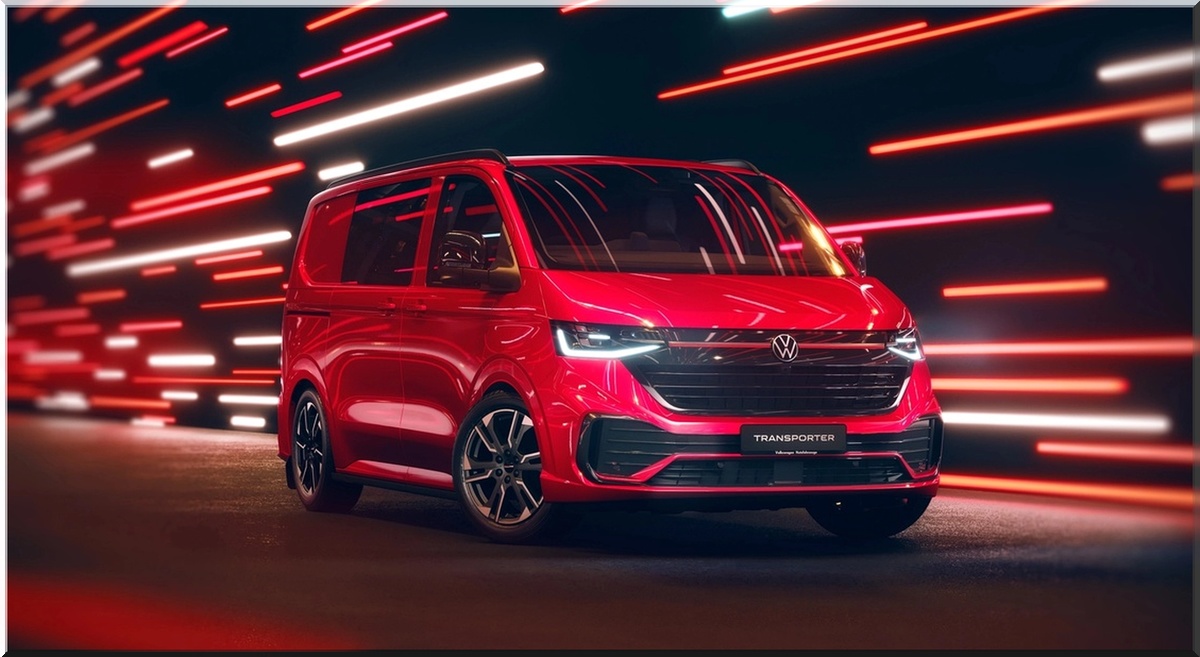
Technical Evolution of the Sportline Platform
The 2026 Volkswagen Transporter Sportline utilizes the updated MQB platform architecture, which allows for greater integration of advanced driver assistance systems (ADAS) and electrified powertrains. Engineers prioritized a lowered suspension setup for this variant, reducing the ride height by 30mm compared to the standard Commerce trim. Consequently, the lower center of gravity improves lateral stability during high-speed cornering, addressing the traditional body roll associated with high-roof vans.
Looking at the data, the Sportline sits on unique 19-inch black alloy wheels with a machined finish, wrapped in low-profile performance tires. These wheels do more than provide visual flair; they reduce unsprung mass slightly, which sharpens steering response through the electromechanical rack. The exterior kit includes a deep front splitter, side skirts, and a functional rear roof spoiler that manages airflow to reduce drag at motorway speeds.
Performance Specifications for the 2.0 TDI 170PS Variant
- Engine Configuration: 2.0-litre 4-cylinder Turbocharged Diesel (TDI).
- Peak Power Output: 170 PS (125 kW).
- Max Torque: 390 Nm (288 lbs/ft) at 1,750 RPM.
- Transmission: 8-speed Shift-by-Wire Automatic.
- Drivetrain: Front-Wheel Drive (FWD) or 4MOTION AWD options.
- Wheel Equipment: 19-inch Sportline machined alloys.
- Chassis Height: 30mm lowered sports suspension.
- Acceleration (0-100 km/h): Approximately 14.0 seconds in LWB configuration.
Interior Sophistication and Commerce Pro S Integration
The Commerce Pro S trim acts as the bridge between the work-focused entry models and the lifestyle-oriented Sportline. It features a high level of standard equipment designed to turn the cabin into a mobile office. Specifically, Volkswagen installed the Digital Cockpit Pro, which utilizes a 12-inch high-definition display for telemetry and navigation. This system allows drivers to toggle between traditional dial views and full-screen map layouts, reducing eye strain during long-haul deliveries.
In addition, the interior of the Sportline variant gains heated front seats upholstered in a combination of Eco-leather and microsuede. Red contrast stitching runs across the steering wheel and gear selector, reinforcing the performance-oriented branding. From an expert perspective, the inclusion of an integrated eSIM ensures constant connectivity for fleet management software and real-time traffic updates, which is essential for optimizing delivery routes and minimizing downtime.
Standard Interior Features on Premium Trims
- 13-inch Infotainment Touchscreen: Controls climate, media, and vehicle settings with haptic feedback.
- Matrix LED Headlights: Provides adaptive beam patterns that prevent dazzling oncoming traffic while maintaining maximum illumination.
- Keyless Entry and Start: Streamlines the workflow for multi-drop couriers and technicians.
- 360-degree Overhead Camera: Utilizes four external lenses to create a bird's-eye view, making tight urban maneuvers safer.
- Power-Adjustable Lumbar Support: Ergonomic seating designed to meet AGR standards for spinal health.
Dimensions, Cargo Capacity, and Utility Logic
Despite the sporty exterior, the Transporter Sportline remains a dedicated workhorse. The vehicle is available in both Short Wheelbase (SWB) and Long Wheelbase (LWB) configurations. The LWB version adds 400mm to the total length, significantly increasing the maximum load compartment length to over 3,000mm. Volkswagen designers utilized a wider track for the T7, which expands the width between the wheel arches to 1,392mm, allowing for the easy loading of Euro-pallets.
The maximum payload for the Sportline remains competitive at approximately 1,100kg, depending on the specific engine and battery configuration. By comparison, the plug-in hybrid (eHybrid) versions see a slight reduction in payload due to the weight of the lithium-ion battery pack, though they offer superior fuel efficiency in stop-start urban traffic. The logic behind the T7 design was to maximize the "squareness" of the rear aperture, ensuring that the 5.8 to 9.0 cubic meters of volume is fully usable.
Detailed Load Area and Exterior Dimensions (L1 vs L2)
- Overall Exterior Length: 5,050 mm (SWB) to 5,450 mm (LWB).
- Maximum Load Length: 2,602 mm (SWB) extending to 3,002 mm (LWB).
- Total Exterior Width: 2,032 mm (2,275 mm including mirrors).
- Width Between Wheel Arches: 1,392 mm (Standard across all variants).
- Standard Roof Height: 1,960 mm (SWB) to 1,980 mm (LWB).
- Side Load Door Aperture: 1,030 mm width by 1,260 mm height.
- Turning Circle (Kerb-to-Kerb): 11.9 m (SWB) to 13.8 m (LWB).
Market Positioning and Competitive Analysis
The Transporter Sportline enters a crowded segment where buyers often choose between the Ford Transit Custom MS-RT and the Mercedes-Benz Vito Sport. To maintain its market share, Volkswagen price the Transporter Sportline starting at approximately €54,500 (converted from UK pricing). The strategic advantage of the Sportline lies in its residual value; Transporters historically retain a higher percentage of their original price compared to French or Italian competitors.
From an expert perspective, the decision to offer a 2.0 TDI diesel alongside the eHybrid and all-electric (e-Transporter) powertrains is a hedge against varying infrastructure readiness across Europe. While the eHybrid offers 233 PS, the diesel remains the preferred choice for towing. The Sportline is rated for a maximum braked towing capacity of 2,800kg, making it ideal for carrying plant machinery or car trailers.
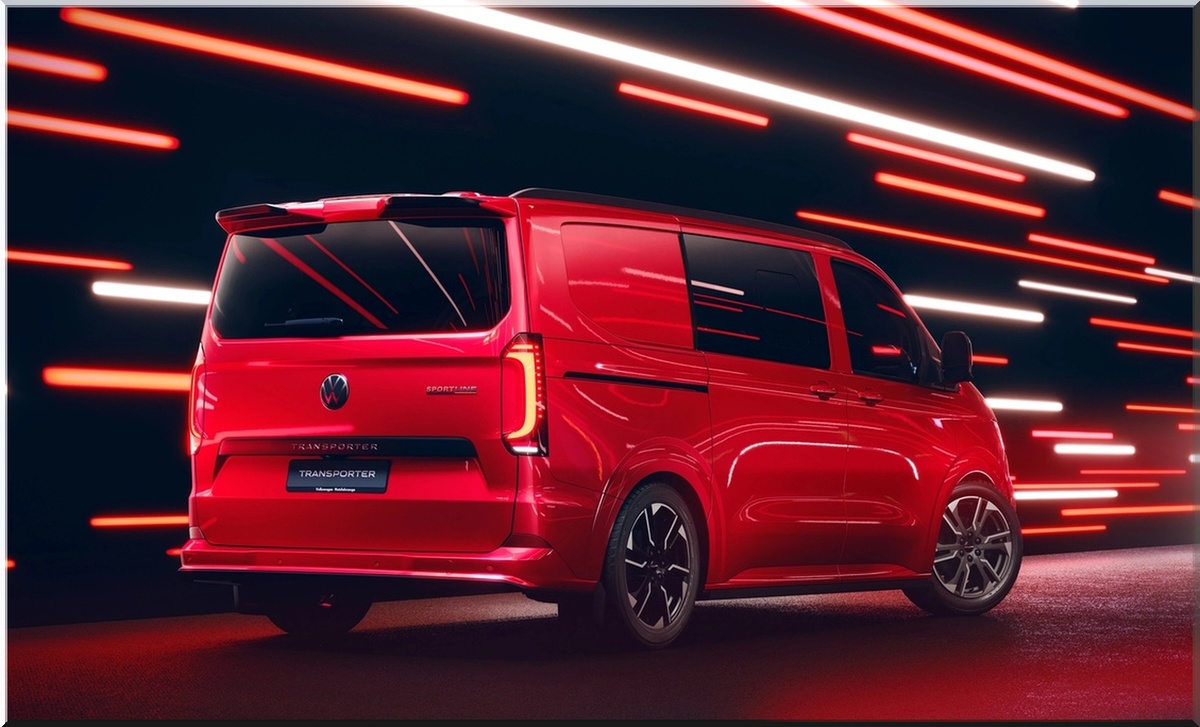
Market Comparison: High-Performance Commercial Vans
- Volkswagen Transporter Sportline: 2.0 TDI (170PS) | 1,100kg Payload | Approx. €54,500.
- Ford Transit Custom MS-RT: 2.0 EcoBlue (170PS) | 1,124kg Payload | Approx. €56,200.
- Mercedes-Benz Vito Sport: 2.0 CDi (190PS) | 955kg Payload | Approx. €58,100.
- Vauxhall Vivaro GS: 2.0 Turbo D (180PS) | 1,000kg Payload | Approx. €49,800.
Powertrain Engineering and 4MOTION All-Wheel Drive
The 170PS 2.0-litre TDI engine remains the centerpiece of the Sportline range. It utilizes a twin-dosing AdBlue system to meet stringent Euro 6e emissions standards, effectively neutralizing nitrogen oxides (NOx) within the exhaust stream. The engine produces 400Nm of torque starting from just 1,750 rpm. This low-end torque is vital for maintaining momentum when the van is fully loaded or climbing steep gradients.
The 8-speed shift-by-wire automatic transmission replaces the older 7-speed DSG in high-output models. This new gearbox utilizes a wider spread of ratios, allowing for a shorter first gear for better take-off and a taller eighth gear for quiet, efficient cruising. For users in northern climates or those frequenting construction sites, the 4MOTION all-wheel-drive system is an available option. This system uses an electronically controlled multi-plate clutch to distribute drive torque between the front and rear axles in milliseconds, preventing wheel spin before it occurs.
Pro-Tip: Maximizing Efficiency in Performance VansTo get the best fuel economy out of the 170PS Sportline, utilize the Adaptive Cruise Control (ACC) on motorways. The system integrates with the GPS data to anticipate inclines, adjusting the shift points of the 8-speed gearbox to keep the engine in its most efficient BSFC (Brake Specific Fuel Consumption) map.
Safety Systems and Driver Assistance Technology
Volkswagen has equipped the Commerce Pro S and Sportline with a standard safety suite that rivals premium passenger cars. The Lane Assist system uses a camera mounted behind the rearview mirror to track road markings, providing haptic steering wheel vibrations if the vehicle drifts. Additionally, the Front Assist system includes pedestrian and cyclist monitoring, which can initiate emergency braking at speeds up to 60 km/h to mitigate or avoid collisions.
The Sportline also benefits from Side Assist (blind spot monitoring), which is particularly useful in a panel van where rearward visibility is physically limited. Rear cross-traffic alert monitors the area behind the vehicle when reversing out of parking spaces, detecting approaching vehicles that the driver cannot yet see. These systems collectively lower insurance premiums for fleet operators by reducing the frequency of low-speed "fender bender" accidents.
Logic-Based Driver Aids
- Traffic Sign Recognition: Uses OCR (Optical Character Recognition) to display speed limits on the dashboard, preventing accidental speeding fines.
- Intelligent Speed Limiter: Can automatically adjust the vehicle's maximum speed based on detected road signs.
- Swerve Support: Helps the driver steer around an obstacle during an emergency maneuver by applying specific braking force to individual wheels.
- Tiredness Detection: Analyzes steering inputs and pedal usage to suggest a break if it detects signs of driver fatigue.
Pricing and Value Proposition
The Transporter Commerce Pro S starts at approximately €47,800, while the Sportline commands a premium for its styling and chassis upgrades. For the professional buyer, the ROI (Return on Investment) is found in the vehicle's versatility. The Sportline can serve as a high-visibility marketing tool during the week and a lifestyle vehicle for towing boats or carrying mountain bikes on the weekend.
Looking at the data, the inclusion of App-Connect with wireless Apple CarPlay and Android Auto as standard across these trims removes the need for expensive factory navigation upgrades in some markets. The LED cargo area lighting is another practical addition in the Commerce Pro S, providing 10 times the illumination of standard halogen bulbs, which facilitates faster loading in dark conditions.
Frequently Asked Question: Why choose the Sportline over the Commerce Pro S?
Question: Does the Sportline offer any functional advantages over the Commerce Pro S, or is it purely an aesthetic package?
Answer: While the Commerce Pro S provides the same core technology and interior comfort, the Sportline offers a distinct mechanical advantage via its lowered sports suspension. This setup reduces the vehicle's overall height, which can be the difference between clearing a 2.0m height restriction in a multi-story car park or being forced to find street parking. Furthermore, the 19-inch wheels and wider tires provide a larger contact patch with the road, improving braking distances and dry-weather grip compared to the 16 or 17-inch wheels found on lower trims.
Conclusion: The Strategic Future of the Transporter
The introduction of the Sportline and Commerce Pro S signifies Volkswagen Commercial Vehicles' commitment to the premium end of the van market. By offering a vehicle that combines 170PS performance, advanced ADAS, and a payload of over one tonne, the T7 Transporter maintains its status as the industry standard. The integration of the MQB architecture ensures that these vans are no longer just utilitarian boxes, but sophisticated tools capable of meeting the rigorous demands of modern logistics and professional trades.