The electric vehicle (EV) industry in India is witnessing a remarkable transformation, signaling a shift from traditional fuel-powered vehicles to cleaner and more sustainable alternatives. This change is driven by various factors, including government policies, technological advancements, and increasing environmental awareness among consumers. In this article, we will explore the current state of the electric vehicle sector in India, its growth potential, challenges, and the future outlook.
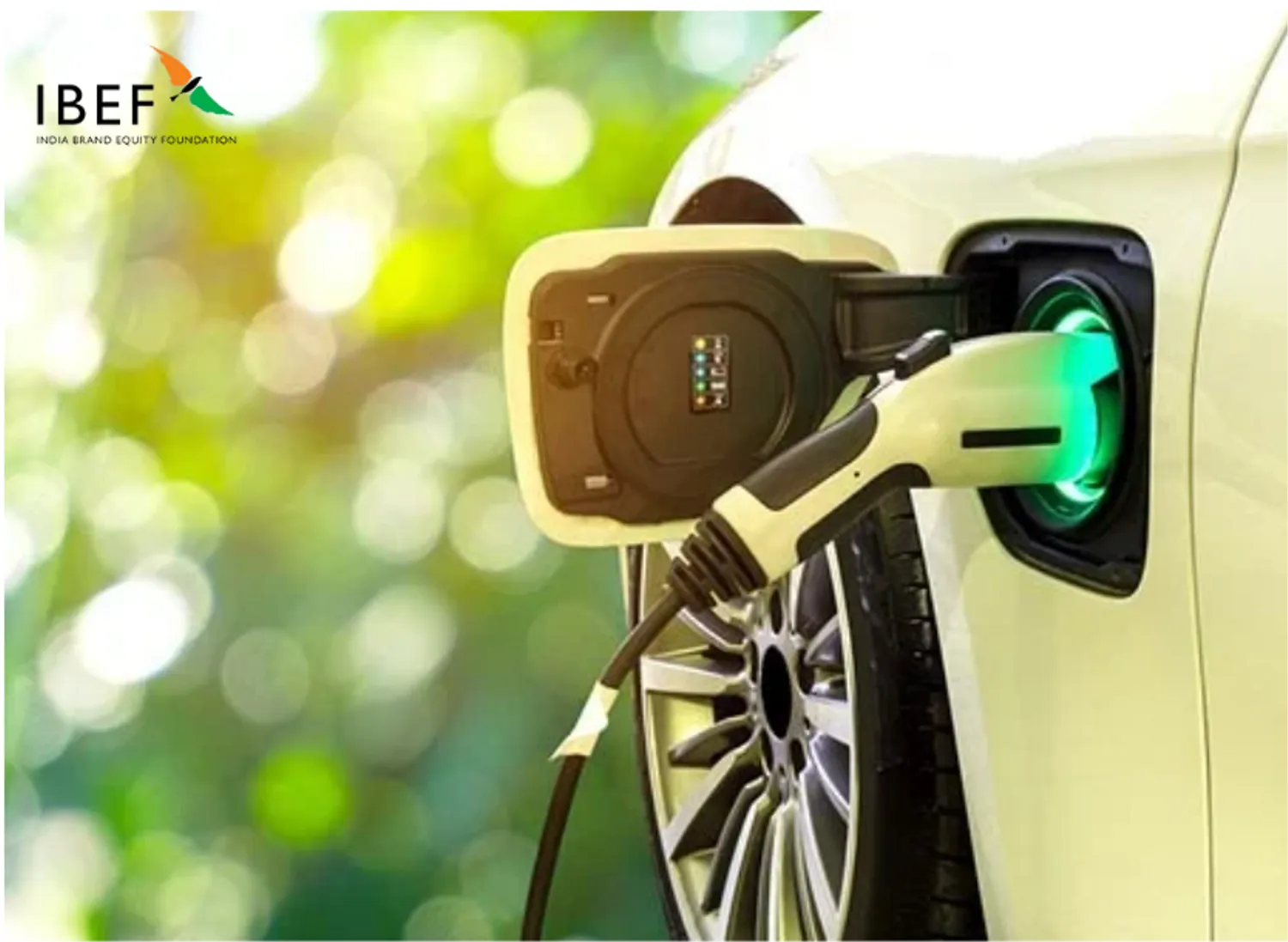
The electric vehicle sector in India is still in its nascent stage, but it has shown significant growth in recent years. As of 2023, the market for electric vehicles in India includes electric two-wheelers, three-wheelers, and passenger cars. Among these, electric two-wheelers are the most popular, followed by three-wheelers and cars.
Electric Two-Wheelers
Electric two-wheelers, such as scooters and motorcycles, have gained considerable traction in India. Companies like Ather Energy, Ola Electric, and Hero Electric are leading the market with innovative products that cater to the needs of urban commuters. These vehicles offer a cost-effective and eco-friendly alternative to conventional petrol-powered two-wheelers. The lower operating costs and government subsidies have made electric two-wheelers an attractive option for many consumers.
Electric Three-Wheelers
Electric three-wheelers, commonly used for public transport and goods delivery, are also seeing increased adoption. These vehicles are ideal for short-distance travel and have become popular in cities and small towns. Companies like Mahindra Electric and Piaggio are major players in this segment, offering reliable and efficient electric three-wheelers.
Electric Cars
Electric cars are still a small part of the overall car market in India, but they are gradually gaining popularity. Leading automobile manufacturers such as Tata Motors, MG Motors, and Hyundai have introduced electric car models that appeal to the Indian market. These cars offer features comparable to their petrol and diesel counterparts, including a good driving range and advanced technology.
Growth Drivers of the Electric Vehicle Industry in India
Several factors are driving the growth of the electric vehicle industry in India. These include government initiatives, environmental concerns, technological advancements, and increasing consumer awareness.
Government Initiatives
The Indian government has been proactive in promoting the adoption of electric vehicles through various policies and incentives. The Faster Adoption and Manufacturing of Hybrid and Electric Vehicles (FAME) scheme is a key initiative aimed at accelerating the adoption of EVs. Under this scheme, subsidies are provided to both manufacturers and consumers to reduce the cost of electric vehicles.
Additionally, the Goods and Services Tax (GST) on electric vehicles has been reduced to 5%, compared to 28% for conventional vehicles. This significant tax reduction has made electric vehicles more affordable for consumers. The government is also focusing on developing the necessary infrastructure, such as charging stations, to support the growing EV market.
Environmental Concerns
The rising pollution levels in Indian cities have led to increased awareness about the need for cleaner transportation solutions. Electric vehicles, with their zero tailpipe emissions, offer a viable solution to reduce air pollution. The push for cleaner air and a sustainable environment is motivating both the government and consumers to adopt electric vehicles.
Technological Advancements
Technological advancements in battery technology, charging infrastructure, and vehicle design have played a crucial role in the growth of the electric vehicle industry. Improvements in lithium-ion batteries have resulted in higher energy density, longer driving ranges, and faster charging times. These advancements have addressed some of the major concerns related to electric vehicles, such as range anxiety and charging infrastructure availability.
Increasing Consumer Awareness
With the growing emphasis on sustainability and environmental conservation, consumers are becoming more conscious of their choices. The awareness about the benefits of electric vehicles, such as lower running costs, reduced maintenance, and environmental friendliness, is increasing among Indian consumers. This shift in consumer mindset is driving the demand for electric vehicles.
Challenges Facing the Electric Vehicle Industry in India
Despite the positive developments, the electric vehicle industry in India faces several challenges that need to be addressed for sustained growth. These challenges include high initial costs, limited charging infrastructure, and consumer skepticism.
High Initial Costs
One of the main barriers to the adoption of electric vehicles is the high initial cost compared to conventional vehicles. Although the running costs of electric vehicles are lower, the upfront cost is still a significant consideration for many consumers. The high cost of batteries is a major contributing factor to this challenge. However, with advancements in battery technology and economies of scale, the cost of batteries is expected to decrease over time.
Limited Charging Infrastructure
The availability of charging infrastructure is a critical factor for the widespread adoption of electric vehicles. Currently, the charging infrastructure in India is limited, especially in rural and semi-urban areas. The lack of sufficient charging stations creates range anxiety among potential EV buyers. To address this issue, the government and private sector are working together to establish a robust charging network across the country.
Consumer Skepticism
Many consumers are still skeptical about the performance and reliability of electric vehicles. Concerns about the driving range, battery life, and charging times deter some potential buyers. It is essential to educate consumers about the advancements in electric vehicle technology and the benefits they offer. Demonstrating the reliability and efficiency of electric vehicles through real-world usage can help overcome this skepticism.
Future Outlook of the Electric Vehicle Industry in India
The future of the electric vehicle industry in India looks promising, with several positive trends and developments on the horizon. The government's continued support, coupled with technological advancements and increasing consumer acceptance, will drive the growth of the EV market in the coming years.
Government Vision and Targets
The Indian government has set ambitious targets for the adoption of electric vehicles. The aim is to achieve 30% electric vehicle penetration by 2030. This target includes a significant share of electric two-wheelers and three-wheelers, as well as electric cars. To achieve this goal, the government is focusing on policy support, financial incentives, and infrastructure development.
Expansion of Charging Infrastructure
The expansion of charging infrastructure is a key priority to support the growing number of electric vehicles on the road. The government is working with private companies to establish a widespread network of charging stations. The installation of fast chargers along highways, in cities, and public places will enhance the convenience of owning an electric vehicle.
Technological Innovations
Technological innovations will continue to play a crucial role in the growth of the electric vehicle industry. Advances in battery technology, such as solid-state batteries, promise higher energy densities and faster charging times. Additionally, improvements in electric drivetrains and vehicle design will further enhance the performance and efficiency of electric vehicles.
Increasing Role of Startups
Startups are playing a significant role in the Indian electric vehicle industry. Companies like Ather Energy, Ola Electric, and Revolt Motors are bringing innovative products to the market and challenging traditional automobile manufacturers. These startups are also contributing to the development of charging infrastructure and battery technology. The dynamic and competitive landscape created by these startups is driving the industry forward.
Consumer Awareness and Adoption
As consumer awareness about the benefits of electric vehicles continues to grow, adoption rates are expected to increase. Educational campaigns, test drives, and real-world demonstrations can help consumers understand the advantages of electric vehicles. Word-of-mouth recommendations from satisfied EV owners will also play a crucial role in driving adoption.
Conclusion
The Electric Vehicle Sector in India is at a critical juncture, poised for significant growth and transformation. With the right combination of government support, technological advancements, and consumer awareness, the industry has the potential to revolutionize transportation in India. While challenges remain, the progress made so far is encouraging, and the future looks bright for electric vehicles in India. The transition to electric mobility will not only reduce pollution and dependence on fossil fuels but also pave the way for a cleaner, greener, and more sustainable future.