
Inflammatory Bowel Disease (IBD) is a chronic condition that includes Crohn's disease and ulcerative colitis, affecting millions of people worldwide. It causes inflammation in the digestive tract, leading to severe symptoms such as abdominal pain, diarrhea, and fatigue, significantly impacting the quality of life for those affected. The ongoing search for effective treatments and potential cures makes IBD research critical.
Community involvement is vital in IBD research and awareness efforts. By engaging patients, caregivers, and supporters, we can foster a supportive environment and gather valuable insights that drive research forward. Community-driven initiatives also help raise awareness, reduce stigma, and encourage participation in clinical trials.
Crowdsourcing leverages the collective efforts of a community to achieve a common goal. In the context of IBD campaigns, it involves gathering resources, ideas, and support from a broad audience to enhance research and awareness initiatives. The potential benefits of crowdsourcing for IBD campaigns include increased reach, diverse perspectives, and a stronger sense of community ownership and support.
Understanding the Power of Crowdsourcing
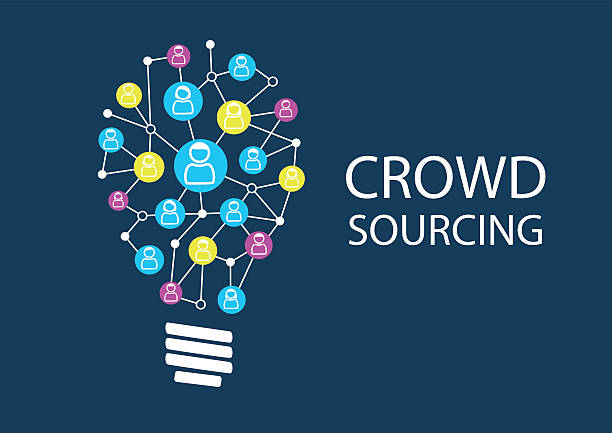
In crowdsourcing, a large number of individuals, usually through the Internet, are asked to provide their opinions, ideas, or services. This approach leverages the collective intelligence and resources of the community to achieve a common goal. In the context of IBD campaigns, crowdsourcing can involve gathering donations, insights, or promotional efforts from a wide audience to support research and awareness initiatives.
The benefits of crowdsourcing for inflammatory bowel disease campaigns are substantial. It can significantly increase the reach of the campaign, as the collective efforts of a large group can amplify the message far beyond traditional methods. Crowdsourcing also brings diverse perspectives, which can lead to innovative solutions and a deeper understanding of the needs and experiences of those affected by IBD. Additionally, it is a cost-effective strategy, as it reduces the need for large-scale funding by tapping into the resources and enthusiasm of the community.
Successful examples of crowdsourcing in other fields illustrate its potential. For instance, the "Ice Bucket Challenge" for ALS research went viral, raising millions of dollars and significantly increasing awareness. Another example is Wikipedia, which relies on crowdsourced content to create the world’s largest online encyclopedia. These examples demonstrate how powerful and effective crowdsourcing can be when harnessed correctly.
Identifying Crowdsourcing Opportunities
Potential crowdsourcing ideas for IBD clinical trials are diverse and impactful. They can include soliciting research ideas from patients and caregivers, fundraising initiatives to support clinical trials, and awareness campaigns to educate the public about IBD. Engaging the community in these activities not only broadens the reach but also brings in fresh perspectives and resources that can drive research forward.
Aligning crowdsourcing initiatives with IBD research goals is crucial for their success. Each crowdsourcing activity should have clear objectives that support the broader aims of IBD research, such as identifying new treatment approaches, increasing trial participation, or raising funds for ongoing studies. Collaborating with organizations like Janssen clinical trials for IBD ensures that the efforts are strategic and contribute meaningfully to the advancement of IBD research.
Generating innovative crowdsourcing ideas requires creativity and a deep understanding of the community's needs and interests. Tips for fostering innovation include hosting brainstorming sessions with diverse stakeholders, leveraging social media to gather suggestions, and studying successful crowdsourcing campaigns in other fields. Encouraging open communication and collaboration among community members can also spark unique ideas that resonate with the broader IBD community.
Building a Strong Community Foundation
A supportive community is essential for the success of crowdsourcing initiatives in Janssen clinical trials. A strong, engaged community fosters trust and collaboration, making it easier to mobilize resources and gather valuable insights. When community members feel connected and supported, they are more likely to participate actively and contribute to the success of research and awareness campaigns.
Engaging and building the IBD community requires strategic efforts. Strategies include hosting regular events, both online and offline, where patients and caregivers can share their experiences and learn about ongoing research. Creating dedicated online forums and social media groups can provide spaces for continuous interaction and support. It's also important to recognize and celebrate community contributions, which can boost morale and encourage ongoing participation.
Social media and online platforms play a crucial role in community building. They enable real-time communication and foster a sense of belonging among geographically dispersed members. Platforms like Facebook, Instagram, and Twitter can be used to share updates, success stories, and calls to action, ensuring that community members stay informed and engaged. Digital marketing agencies can help optimize these efforts, ensuring that the content reaches the right audience and encourages active participation.
Implementing Effective Crowdsourcing Campaigns

Launching and managing successful crowdsourcing campaigns requires careful planning and execution. Start by identifying a clear purpose and target audience for your campaign. Utilize engaging content that resonates with the community, and maintain consistent communication to keep participants informed and motivated. Tools like social media, email newsletters, and online platforms can help facilitate and manage the campaign efficiently.
Clear goals and objectives are vital for any crowdsourcing campaign. Define what you aim to achieve, whether it’s raising funds, increasing awareness, or gathering research ideas. Specific, measurable goals provide direction and help track progress. Transparent objectives also build trust within the community, as participants understand the impact of their contributions on IBD clinical trials and Janssen clinical trials.
Incentives and rewards can significantly boost participation in crowdsourcing campaigns. Offer tangible rewards like merchandise, recognition, or exclusive access to information. These incentives show appreciation for the community’s efforts and encourage more people to get involved. Partnering with digital marketing agencies in New York can enhance these efforts by creating and managing effective reward systems, optimizing campaign reach, and ensuring sustained engagement.
Measuring the Impact of Crowdsourced Campaigns
Key performance indicators (KPIs) are crucial for evaluating the effectiveness of crowdsourcing campaigns. These may include metrics such as participation rates, funds raised, social media engagement (likes, shares, comments), and the number of research ideas or insights gathered. KPIs provide measurable benchmarks that indicate whether the campaign is achieving its goals and objectives.
Tracking campaign success and return on investment (ROI) involves analyzing KPIs to assess the overall impact of the crowdsourcing efforts. Tools like Google Analytics, social media analytics, and survey feedback can provide valuable data on campaign performance. Evaluating ROI involves comparing the costs of running the campaign (including time, resources, and any financial investment) with the outcomes achieved, such as increased awareness, community engagement, or research advancements.
Gathering feedback from participants is essential for refining future crowdsourcing strategies. Feedback helps understand what worked well, areas for improvement, and community preferences. It also fosters a sense of ownership among participants, as their input directly influences campaign outcomes and the advancement of IBD clinical research. Crowdsourced campaigns have the potential to significantly drive participation in Janssen clinical trials for IBD or other inflammatory bowel disease clinical research by raising awareness, mobilizing support, and encouraging involvement from a diverse community base. This collective effort not only amplifies the reach of trials but also enhances their relevance and impact in advancing treatments and understanding of IBD.
Overview of The Benefits Crowdsourcing Brings in IBD Campaigns
Crowdsourcing offers numerous benefits for IBD campaigns, serving as a powerful tool to mobilize communities, raise awareness, and support clinical research efforts. By harnessing the collective efforts and resources of a diverse audience, crowdsourcing expands the reach of campaigns, amplifies the message, and fosters a sense of community ownership in advancing IBD research and Janssen clinical trials for IBD. This collaborative approach not only accelerates the pace of discoveries but also enhances the quality and relevance of research outcomes.
Encouraging the IBD community to actively participate in crowdsourcing initiatives is crucial for their success. Each contribution, whether sharing personal experiences, fundraising efforts, or promoting awareness, plays a significant role in driving progress and improving the lives of those affected by IBD. By engaging in crowdsourcing, individuals can make a tangible impact, strengthen advocacy efforts, and contribute to shaping future research directions.
For organizations interested in leveraging crowdsourcing for IBD campaigns, additional resources and support are available. Digital marketing agencies specialize in managing and optimizing crowdsourcing efforts, ensuring strategic implementation, and maximizing engagement. Collaborating with these agencies can streamline campaign management, enhance visibility, and achieve impactful outcomes in advancing IBD research and clinical trials.