A reliable heating system is essential during cold weather. It keeps the home comfortable and protects indoor spaces from freezing temperatures. When the system works well, most homeowners do not think much about it.
However, heating systems can develop problems over time. These issues often start small but grow worse if ignored. A minor fault can turn into a full breakdown when the system works harder during winter.
Recognizing early warning signs can help homeowners act quickly. Fast action may prevent costly repairs and keep the home warm when temperatures drop.
Below are some of the most common signs that a heating system may need immediate attention.
Weak or Poor Airflow
Strong airflow is important for proper heating. When the system runs, warm air should move through the vents with steady pressure.
If the airflow feels weak, something may be blocking the system. A clogged air filter is one common cause. Dust buildup can limit airflow and reduce heating performance.
Blocked ducts can also cause this issue. When airflow becomes restricted, the system must work harder to warm the home.
Weak airflow often leads to uneven temperatures in different rooms. Some areas may stay warm while others remain cold.
Checking filters and vents can help solve minor airflow problems. If the issue continues, a professional inspection may be needed.
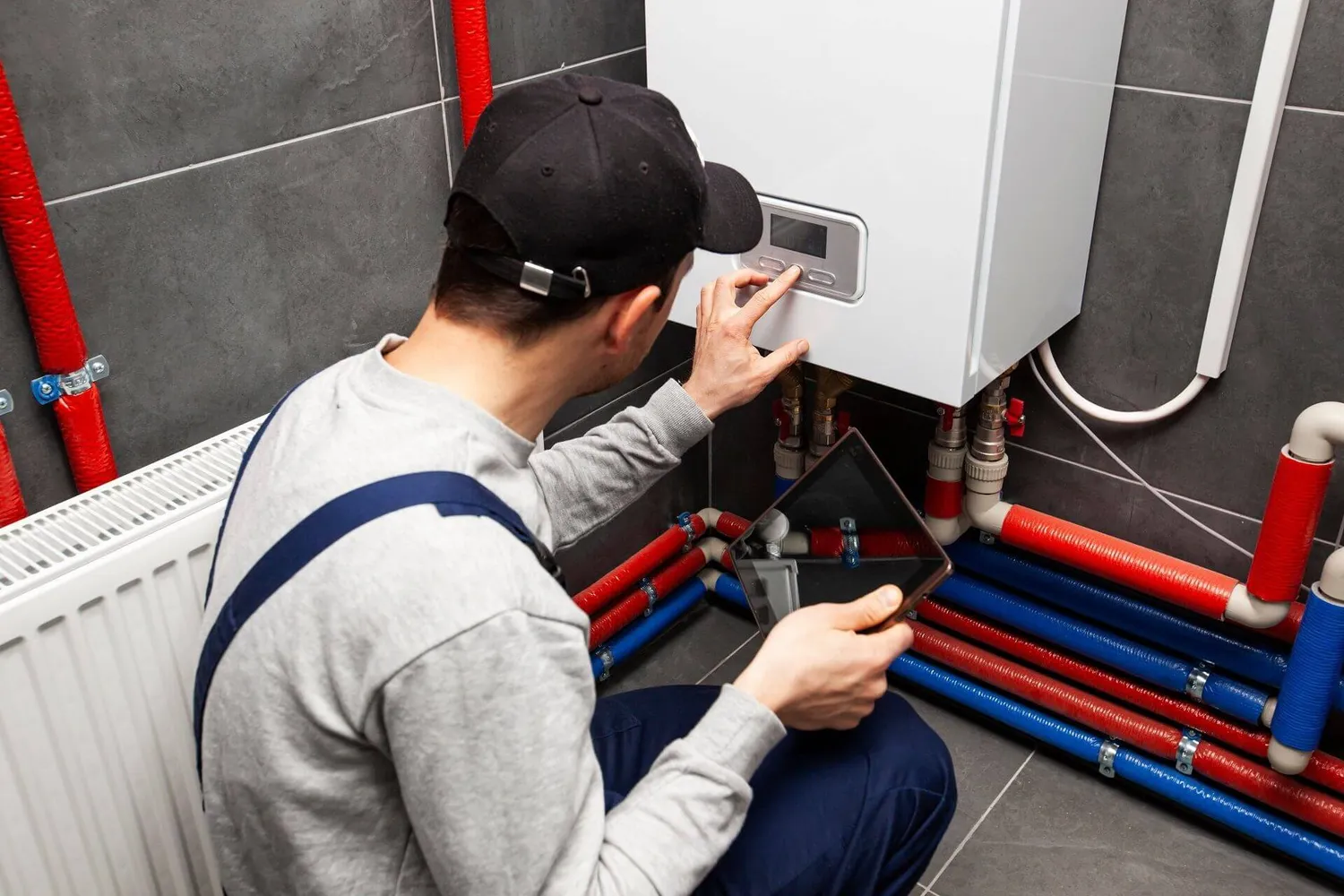
Unusual Noises From the Heating System
Heating systems normally produce a quiet and steady sound while running. Loud or strange noises are often a sign of trouble.
Homeowners may hear banging, grinding, or rattling sounds. These noises can come from loose components, worn belts, or motor issues.
Ignoring these sounds may lead to more serious damage. Mechanical parts may continue to wear down and eventually fail.
If unusual sounds appear suddenly, the system should be inspected as soon as possible.
Uneven Heating Throughout the Home
A healthy heating system should warm the entire home evenly. If some rooms feel warm while others remain cold, the system may not be working properly.
Several issues can cause uneven heating. Blocked vents, damaged ductwork, or poor airflow can all affect temperature distribution.
Thermostat problems may also cause heating imbalance. If the thermostat cannot measure temperature correctly, the system may shut off before the home is fully heated.
Uneven heating is a clear sign that the system may require repair or adjustment.
Rising Energy Bills
Heating systems use energy to produce warm air. While higher bills are common during winter, sudden increases may indicate a problem.
When a heating system becomes less efficient, it must run longer to maintain the same indoor temperature. This extra operation increases energy use.
Dirty filters, worn components, or airflow restrictions may all reduce efficiency.
If utility bills increase without any change in usage habits, the heating system may need inspection and repair.
Frequent System Cycling
Heating systems normally follow a regular cycle. The system turns on, heats the home, and then shuts off for a period of time.
Frequent cycling happens when the system turns on and off too often. This problem is sometimes called short cycling.
Short cycling can occur due to thermostat issues, airflow restrictions, or overheating components.
This constant starting and stopping places stress on system parts. Over time, it may lead to equipment failure.
Addressing the issue early can protect the system and improve efficiency.
Strange or Burning Odors
Unusual smells from the heating system should never be ignored. Some odors may signal serious problems.
A musty smell may indicate dust buildup or mold growth in the duct system. This can affect indoor air quality.
A burning smell may come from overheating electrical parts or damaged wiring. In this case, the heating system should be turned off immediately.
Professional technicians can inspect the system and identify the source of the odor safely.
In urgent situations, homeowners may need 24/7 emergency heating repair services to restore safe heating as quickly as possible.
The System Blows Cold Air
If the heating system runs but blows cold air, something is wrong. The issue may come from thermostat settings, ignition problems, or airflow restrictions.
Gas furnaces may also fail to ignite the burner. Without ignition, the system cannot produce heat.
This issue can quickly make the home uncomfortable during cold weather.
Checking the thermostat and air filter may solve minor problems. If the issue continues, professional repair is usually required.
Yellow Pilot Light
Gas furnaces often use a pilot light to ignite the burner. A healthy pilot light usually burns blue.
If the flame appears yellow, it may signal improper combustion. This condition may produce carbon monoxide, which is dangerous.
Homeowners should treat this sign seriously. The furnace should be inspected immediately by a qualified technician.
Safety should always be the top priority when dealing with heating systems.
The Heating System Is Old
Age can also affect heating performance. Many furnaces and heating systems have a lifespan of about 15 to 20 years.
Older systems often struggle to maintain efficiency. Parts may wear out more often, and repairs may become more frequent.
If the system is approaching the end of its lifespan, homeowners may notice more heating problems.
Regular inspections can help determine whether repair or replacement is the best option.
Final Thoughts
Heating systems work hard during winter to keep homes warm and safe. Over time, normal wear can cause mechanical or airflow problems.
Weak airflow, unusual noises, uneven heating, rising energy bills, and strange odors are all warning signs that something may be wrong.
Ignoring these signs can lead to larger problems and costly repairs. Early action helps protect the system and maintain reliable heating.
Regular maintenance and quick repairs help ensure the heating system continues to operate safely and efficiently throughout the winter season.