Takeaways
Key TakeawaysOzempic is a medication that is known to trigger significant weight loss due to its appetite-suppressing and digestion-slowing features.However, sometimes you may not lose as much weight as you’d like.There could be many reasons why you’re not losing weight on Ozempic, and it really comes down to the individual.Ozempic and other medications associated with weight loss are not magic bullets.Obesity is a complex, heterogeneous disease, and people respond differently to different treatments.There are certainly some common culprits for why you’re not shedding pounds, and it’s important to talk with a doctor about any changes, or lack thereof, in your weight or wellness routine.
Part 2: Why Am I Not Losing Weight On Ozempic?
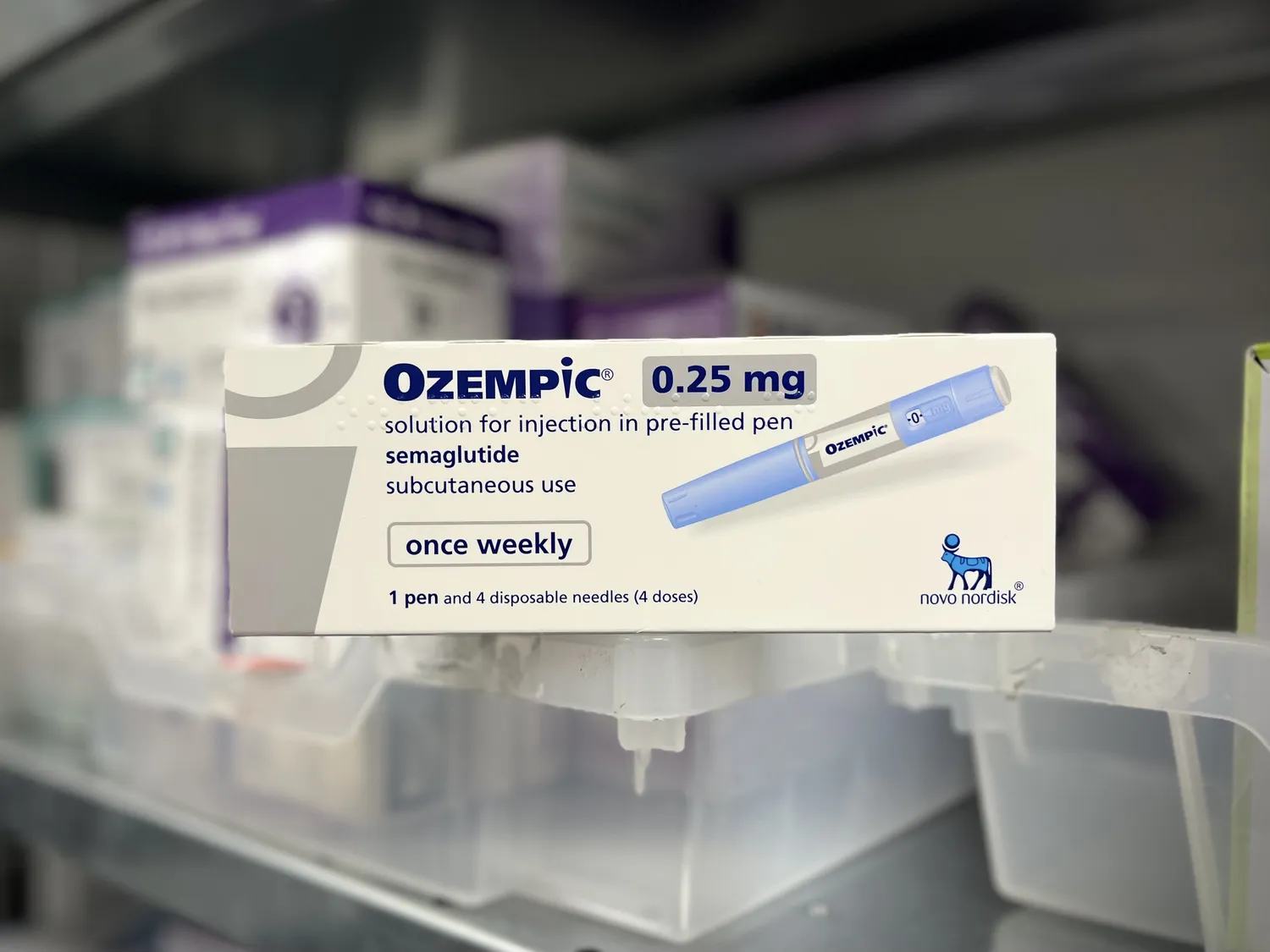
Ozempic is a FDA-approved prescription injectable medication that was originally created to treat type 2diabetes, but is often utilized for weight loss since it helps control cravings and suppress appetite . Ozempic can slow down stomach emptying, which slows calorie absorption, and may lead to a sense of fullness, so many who take it lose weight . However, sometimes you may not lose as much weight as you’d like. Now, there could be many reasons why you’re not losing weight on Ozempic and it really comes down to the individual. Ozempic and other medications associated with weight loss are not magic bullets. Obesity is a complex, heterogeneous disease, and people respond differently to different treatments. That said, there are certainly some common culprits for why you’re not shedding pounds (more on this soon!) and it’s important to talk with a doctor about any changes, or lack thereof, in your weight or wellness routine
Here are some possible reasons why you may not be losing weight on Ozempic:
Inadequate dosing: Ozempic works differently for everyone. Some can see rapid weight loss, while others may not see results for a few weeks.
Inconsistent medication use: Skipping doses or not taking the medication as prescribed can hinder weight loss.
Unhealthy diet and lifestyle factors: Ozempic is not a substitute for a healthy diet and exercise. It is important to maintain a healthy lifestyle while taking Ozempic.
Underlying medical conditions: Certain medical conditions can make it difficult to lose weight. Talk to your doctor if you have any underlying medical conditions that may be hindering weight loss.
Weight loss plateau: It is common to experience a weight loss plateau after losing a significant amount of weight. This is when your weight loss stalls despite continued efforts to lose weight. Talk to your doctor about how to overcome a weight loss plateau.
Muscle gain: If you are exercising while taking Ozempic, you may be gaining muscle mass, which can offset weight loss.
Not getting enough sleep: Lack of sleep can hinder weight loss. Aim for 7-8 hours of sleep per night.
If you are not losing weight on Ozempic, it is important to talk to your doctor. They can help you determine the underlying cause and develop a plan to help you achieve your weight loss goals.
Part 3: Side Effects of Ozempic
Like all medications, Ozempic can cause side effects. Common side effects include:
Nausea
Diarrhea
Vomiting
Constipation
Stomach pain
Decreased appetite
Headache
Fatigue
These side effects are usually mild and go away on their own. However, if you experience severe side effects or have any concerns about taking Ozempic, talk to your doctor.
Part 4: Tables and Lists
Here are some tables and lists to break up walls of text:
Table 1: Ozempic Dosage
DosageFrequency0.25 mgOnce a week0.5 mgOnce a week1 mgOnce a week
Table 2: Ozempic Side Effects
Side EffectPercentage of Patients Who Experienced Side EffectNausea22%Diarrhea11%Vomiting9%Constipation