Venus leg ulcers, also known as venous ulcers, venous stasis ulcers, or simply stasis ulcers, are a common and often debilitating condition affecting millions worldwide. These ulcers typically occur on the lower legs and result from poor circulation, specifically in the veins of the legs. Understanding the causes, symptoms, and treatment options for venous leg ulcers is crucial for effectively managing and preventing complications.
Causes of Venus Leg Ulcers:
Venus leg ulcer primarily develops due to chronic venous insufficiency (CVI). In CVI, the valves in the legs' veins fail to function correctly, leading to blood pooling in the lower extremities. It increases pressure in the veins, causing damage to the surrounding tissues and impairing wound healing. Over time, these damaged tissues can break down, forming ulcers.
Several factors can contribute to the development of CVI and venous leg ulcers, including:
Varicose Veins: Varicose veins are enlarged, and twisted veins often occur in the legs. They can be a precursor to CVI.
Deep Vein Thrombosis (DVT): A blood clot in the deep veins of the legs can obstruct blood flow, leading to CVI and venous ulcers.
Obesity: Excess weight puts added pressure on the veins, increasing the risk of CVI and ulcers.
Sedentary Lifestyle: Lack of physical activity can impair circulation and contribute to venous insufficiency.
Pregnancy: Hormonal changes and increased pressure on the veins during pregnancy can predispose women to develop CVI and venous ulcers.
Symptoms of Venus Leg Ulcers:
The hallmark symptom of venous ulcer is the presence of an open sore on the lower leg that may be painful, itchy, and prone to infection. Other common symptoms include:
Swelling: Swelling of the lower legs, ankles, and feet due to fluid retention.
Discoloration: The skin around the ulcer may appear reddish-brown or darkened.
Pain: Pain or aching sensation, especially when standing or walking.
Foul Odor: The ulcer may emit an unpleasant odor due to bacterial growth.
If left untreated, venous stasis ulcer can lead to severe complications such as cellulites (skin infection), skin thickening and hardening and in severe cases, tissue death (gangrene).
Treatment of Venus Leg Ulcers:
Effective management of venous leg ulcers involves addressing the underlying causes of CVI and promoting wound healing. Treatment options may include:
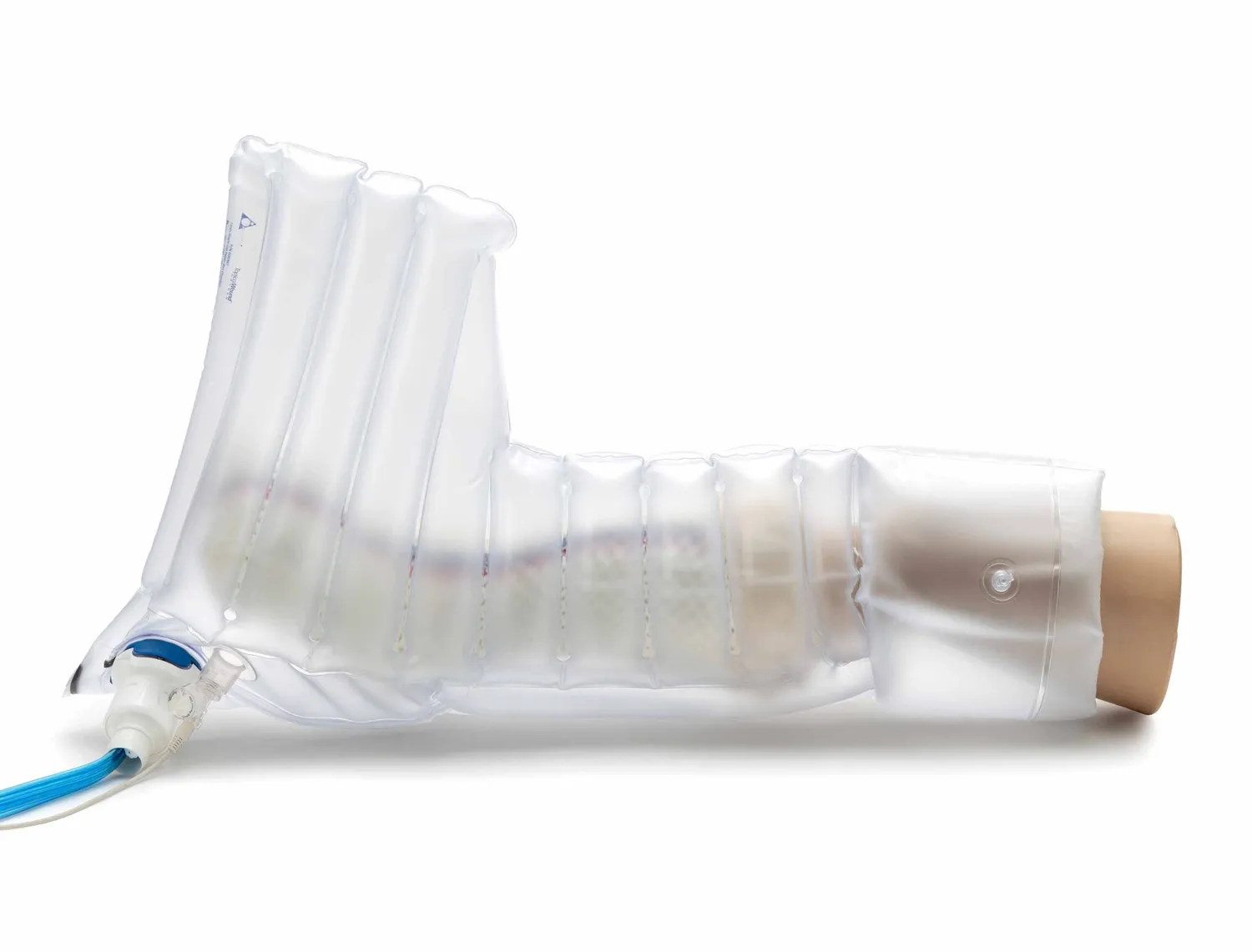
Compression Therapy: Compression stockings or bandages commonly apply pressure to the legs, reducing swelling and improving blood flow. This helps prevent blood from pooling in the veins and promotes ulcer healing.
Wound Care: Proper wound care is essential for venous ulcer healing. This may involve cleaning the ulcer with mild soap and water, applying medicated dressings, and protecting the wound from further injury.
Elevation: Elevating the legs above the heart level can help reduce swelling and improve circulation.
Exercise: Regular physical activity, such as walking or cycling, can improve blood flow in the legs and reduce the risk of venous ulcers.
Medications: In some cases, antibiotics or topical ointments may be prescribed to treat infection or promote healing.
Surgery: Surgical interventions, such as vein ligation or vein stripping, may be necessary for severe cases of CVI that do not respond to conservative treatments.
Prevention of Venus Leg Ulcers:
While some risk factors for venous leg ulcers, such as age and family history, cannot be changed, there are steps individuals can take to reduce their risk:
Maintain a healthy weight and lifestyle.
Stay physically active and avoid prolonged periods of sitting or standing.
Wear compression stockings if recommended by a healthcare provider.
Elevate the legs regularly, especially after long periods of standing or sitting.
Treat varicose veins and other venous conditions promptly to prevent complications.
In conclusion, venous leg ulcers are a common complication of chronic venous insufficiency and can significantly impact an individual's quality of life. Early recognition and appropriate treatment are essential for managing venous ulcers and preventing complications. By understanding the causes, symptoms, and treatment options for venous leg ulcers, individuals can take proactive steps to protect their vascular health and reduce their risk of developing this debilitating condition.
For more information about wound care, tap to Advanced Oxygen Therapy Inc. for the best treatment for diabetic disease or ulcers.