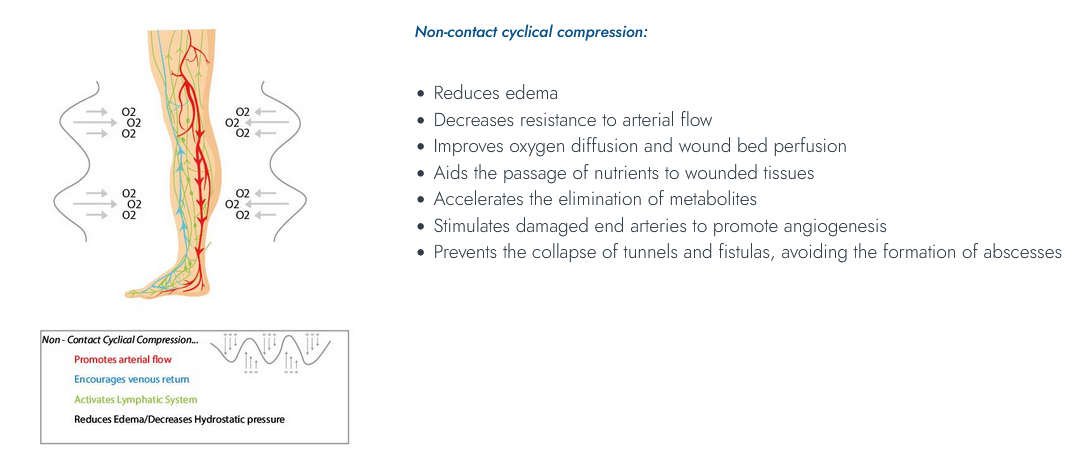
Venous stasis ulcers, also known as venous ulcers or venous leg ulcers are a prevalent yet often overlooked health condition. These chronic wounds are primarily caused by poor blood circulation in the lower extremities, particularly in the legs. This article delves into the intricacies of venous stasis ulcers, exploring their causes, symptoms, and effective wound care strategies through Advanced Oxygen Therapy Inc to manage and treat these persistent sores.
Causes of Venous Stasis Ulcers
Venous stasis ulcer results from chronic venous insufficiency (CVI), a condition where the veins in the legs fail to return blood to the heart efficiently. This inefficiency leads to increased pressure within the veins, causing fluid to leak into surrounding tissues. Over time, this fluid buildup damages the skin, forming an ulcer. Several factors contribute to the development of CVI and, consequently, venous ulcers:
Varicose Veins: Enlarged, twisted veins can lead to poor blood flow and increased pressure in the leg veins.
Deep Vein Thrombosis (DVT): Blood clots in the deep veins can obstruct blood flow, increasing venous pressure.
Obesity: Excess body weight can strain the veins in the legs, exacerbating venous insufficiency.
Prolonged Standing or Sitting: Occupations or lifestyles involving long standing or sitting periods can impair blood circulation.
Aging: The natural aging process weakens vein walls and valves, increasing the risk of CVI.
Symptoms of Venous Stasis Ulcers
Venous ulcer typically develops on the lower legs, particularly around the ankles. Recognizing the symptoms early is crucial for effective management. Common symptoms include:
Persistent Swelling: Swelling in the lower legs and ankles, especially after prolonged standing or sitting.
Itching and Burning: The affected area may feel itchy or experience a burning sensation.
Skin Changes: The skin around the ulcer may become discolored (red, purple, or brown), thickened, or hardened.
Pain: The ulcerated area can be painful, especially when standing or walking.
Exudates: Venous ulcers often exude fluid, which can be transparent or slightly yellow.
Odor: Infected ulcers may emit an unpleasant smell.
Effective Wound Care for Venous Stasis Ulcers
Proper wound care is vital for managing venous stasis ulcers, preventing infection, and promoting healing. Here are key strategies for effective wound care:
Compression Therapy:
Compression stockings or bandages are the cornerstone of venous ulcer treatment. By applying consistent pressure, they help improve blood flow, reduce swelling, and support healing. Patients should wear compression garments as prescribed by their healthcare provider.
Wound Cleaning and Dressing:
Cleaning: The ulcer should be gently cleaned with saline solution or a prescribed wound cleanser to remove debris and reduce the risk of infection.
Dressing: Appropriate wound dressings, such as hydrocolloids, hydro gels, or foam dressings, should be applied to maintain a moist wound environment and promote healing. As recommended by a healthcare professional, dressings should be changed regularly.
Topical Treatments:
Topical agents, including antimicrobial creams or ointments, can be applied to the wound to prevent or treat infection. These treatments should be used under medical supervision.
Elevation and Exercise:
Elevating the legs above heart level several times daily helps reduce swelling and improve circulation. Additionally, regular, gentle exercise, such as walking, can enhance blood flow in the legs.
Nutritional Support:
Adequate nutrition is essential for wound healing. A balanced diet of protein, vitamins (particularly A and C), and minerals (such as zinc) can support the body's repair processes.
Infection Control:
Signs of infection, such as increased redness, warmth, swelling, pus, or fever, should be promptly addressed. Infections may require antibiotic treatment, either topically or orally.
Patient Education and Support:
Educating patients about the importance of adherence to compression therapy, proper wound care, and lifestyle modifications is crucial. Support from healthcare providers, family, and wound care specialists can enhance compliance and outcomes.
Advanced Treatments and Interventions
Advanced therapies may be necessary for ulcers that do not respond to conventional treatments. These include:
Debridement is the Removal of dead or infected tissue to promote healing. It can be done surgically, mechanically, or with specialized dressings.
Skin Grafts: In severe cases, skin grafts may cover the ulcer and encourage new tissue growth.
Endogenous Ablation: Minimally invasive procedures to close off damaged veins, redirecting blood flow to healthier veins.
Hyperbaric Oxygen Therapy (HBOT) Involves breathing pure oxygen in a pressurized environment to enhance wound healing.
Conclusion
Venous leg ulceris a significant health issue that requires comprehensive management. Early intervention, consistent wound care, and lifestyle modifications can significantly improve outcomes for individuals suffering from these chronic wounds. By understanding the underlying causes and adopting a proactive approach to treatment, patients can achieve better healing and quality of life. Regular follow-up with healthcare providers ensures that complications are promptly addressed, paving the way for a healthier future.