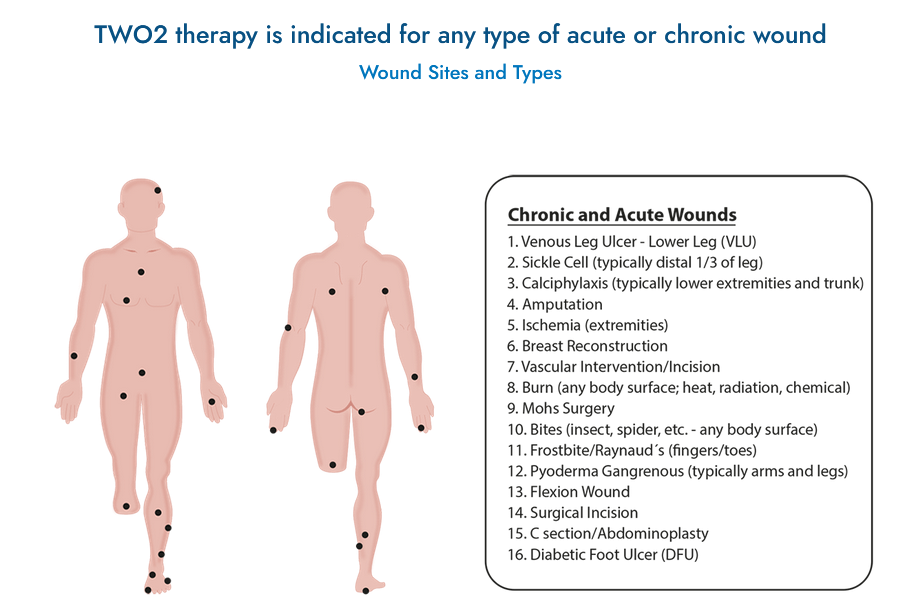
Venous stasis ulcers, also known as venous ulcers or venous leg ulcers, are chronic wounds predominantly affecting the lower extremities, particularly the legs. These ulcers result from venous insufficiency, where veins fail to efficiently return blood to the heart, leading to increased blood pressure and subsequent skin breakdown. The management and care of venous stasis ulcers require a comprehensive understanding of their path physiology, risk factors, and effective treatment strategies.
Path physiology and Causes
Venous stasis ulcer is primarily caused by chronic venous insufficiency (CVI). In CVI, damaged or dysfunctional valves within the veins of the legs fail to prevent the backflow of blood. This venous reflux increases venous pressure, leading to venous hypertension. Over time, this elevated pressure causes fluid to leak from the veins into the surrounding tissue, resulting in edema (swelling). The persistent high pressure and edema damage the skin and subcutaneous tissues, eventually forming ulcers.
Key contributing factors to venous insufficiency and subsequent ulceration include:
Varicose Veins: Enlarged, twisted veins increase the risk of venous reflux.
Deep Vein Thrombosis (DVT): Blood clots in the deep veins can damage venous valves.
Obesity: Excess weight puts additional pressure on leg veins.
Prolonged Standing or Sitting: These positions hinder blood flow and elevate venous pressure.
Age and Gender: Older adults and females are at higher risk due to changes in vein structure and function over time.
Clinical Presentation
Venous ulcer typically appear on the medial aspect of the lower leg, often just above the ankle. The following features characterize them:
Irregular Shape: Unlike pressure ulcers, venous ulcers are usually irregular.
Shallow Depth: These ulcers are often superficial but can deepen if left untreated.
Surrounding Skin Changes: The skin around the ulcer may be discolored thickened and swollen.
Exudates: Venous ulcers often produce significant exudates, necessitating frequent dressing changes.
Diagnosis
Diagnosing venous leg ulcer involves a thorough clinical examination and history taking. Critical diagnostic steps include:
Physical Examination: Inspection of the ulcer and surrounding skin, assessment of edema, and evaluation of varicose veins.
Ankle-Brachial Index (ABI): This non-invasive test compares blood pressure in the ankle with blood pressure in the arm to rule out arterial insufficiency.
Duplex Ultrasound: This imaging technique assesses blood flow and identifies venous reflux or obstruction.
Treatment and Wound Care
Effective management of venous stasis ulcers involves addressing the underlying venous insufficiency and promoting wound healing through medical, surgical, and wound care interventions.
Compression Therapy
Compression therapy is the cornerstone of venous ulcer treatment. It improves venous return, reduces edema, and accelerates ulcer healing. Options include:
Compression Bandages: Multi-layer bandages provide sustained pressure.
Compression Stockings: These are used for long-term maintenance after the healed ulcer.
Wound Care
Proper wound care is essential to prevent infection and promote healing. Key aspects include:
Debridement: Removal of necrotic tissue to prevent infection and promote healthy tissue growth.
Dressings: Appropriate dressings are used to manage exudates and maintain a moist wound environment. Options include hydrocolloids, foams, and alginates.
Medications
Topical and systemic medications may be used to manage infection, inflammation, and pain. Antibiotics are prescribed if there is evidence of disease, while anti-inflammatory agents can reduce local inflammation.
Surgical Interventions
In some cases, surgical intervention may be necessary to address underlying venous issues. Procedures include vein ablation, sclera therapy, and vein stripping.
Lifestyle Modifications
Patients are advised to adopt lifestyle changes to support venous health, such as:
Weight Management: Reducing body weight to decrease pressure on leg veins.
Exercise: Regular physical activity to improve circulation.
Elevation: Elevating the legs to reduce edema.
Prevention and Long-Term Care
Preventing recurrence is crucial in the long-term management of venous stasis ulcers. Patients should continue using compression stockings, maintain a healthy lifestyle, and have regular follow-ups with healthcare providers to monitor and manage venous insufficiency.
Conclusion
Venous stasis ulcers are a significant health issue requiring a multifaceted approach to treatment and prevention. By understanding the underlying causes and implementing effective wound care strategies, healthcare providers can significantly improve the quality of life for individuals suffering from this chronic condition.
For more information about wound care, tap to Advanced Oxygen Therapy Inc. for the best treatment for diabetic disease or ulcers.