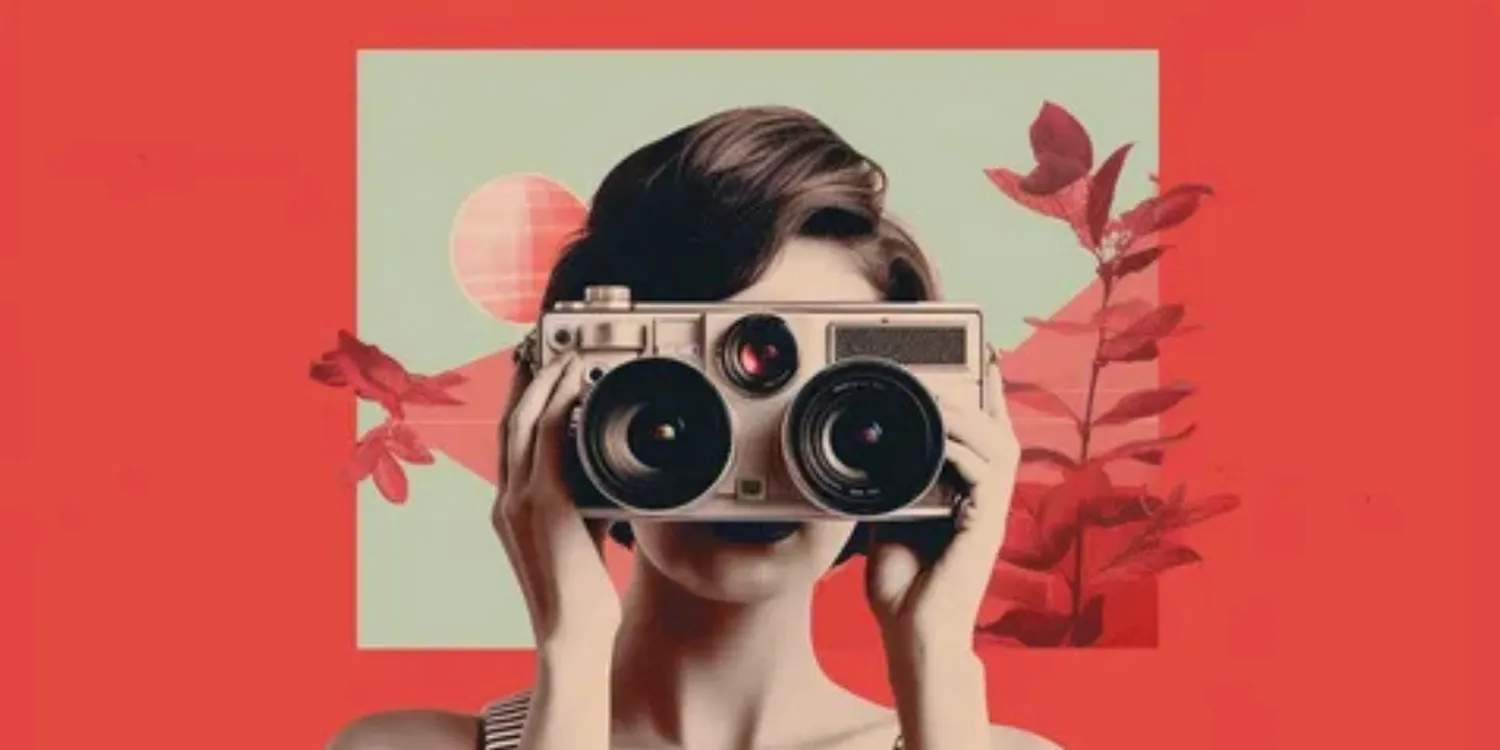
Modern photographic art gives buyers more than a picture on a wall. It adds depth, style, and a strong visual identity to a room. It can also hold lasting appeal because it combines artistic vision with modern materials and a clear point of view.
In the case of technology-driven photographic art, the value goes even further because the work often changes with light, space, and viewing angle.
That is why many collectors, designers, and art lovers see it as more than decoration. It can shape a room, start conversations, and create a feeling that stays with people.
Why modern photographic art has lasting appeal
One of the biggest benefits of investing in modern photographic art is that it feels current without being temporary. Good work does not depend on trends alone. It holds attention because it has strong composition, a clear mood, and a visual voice that feels real.
This matters for people who want art that still feels right years later. A piece with strong design and artistic depth can stay meaningful even as furniture, paint colors, or design styles change around it.
Why technology-driven photographic art stands out
Technology-driven photographic art offers something traditional prints often cannot. It uses materials and methods that create a richer viewing experience. In Howard Harris’s work, layered construction, acrylic surfaces, aluminum surfaces, and design built around visual perception are included.
That means the art is not just static. It can change as the viewer moves. Light can reveal details. Angle can shift the feeling. That active quality gives the artwork more presence in the room.
Stronger visual impact in modern interiors
A major reason people invest in this kind of art is visual impact. Modern spaces often need one piece that can anchor the room. A layered photographic work can do that well.
It brings:
- A clean modern look
- Stronger depth than a flat print
- More interest without clutter
- A focal point that draws the eye
That makes it especially useful in living rooms, offices, entry spaces, and gallery-style interiors. The piece becomes part of the design, not just something added at the end.
More emotional connection with the viewer
Good art should do more than match a sofa or wall color. It should create a feeling. That is another benefit of modern photographic art. It can feel calm, bold, thoughtful, or even mysterious, depending on the subject and structure.
Howard Harris’s style uses layered imagery and visual perception to create that feeling. Because the image changes with light and position, the viewer experiences it in a more personal way. That often makes the art feel more memorable.
A sense of originality and artistic value
People also invest in art because they want something original. A strong piece feels unique. It does not look like a mass-produced print. It reflects a real artistic process.
Howard Harris’s work is a good example of that. His approach combines photography with layered design, acrylic and aluminum construction, and a patent-backed artwork system. That kind of originality gives the work a stronger identity and makes it stand apart from generic wall art.
Why collectors and designers value it
Collectors often want work that feels rare, meaningful, and well-made. Designers want art that fits the room and improves the overall look. Modern photographic art serves both needs.
It works well because:
- It looks contemporary and polished
- It feels more substantial than basic prints
- It fits many room styles
- It can be used as a statement piece
- It offers both visual and collectible appeal
That is a powerful mix. It helps the work stay relevant in both personal collections and interior design projects.
The role of quality materials
Materials matter a lot in this field. A work made with aluminum and acrylic has a different presence than one printed on standard paper. It can feel sharper, more durable, and more refined.
In Howard Harris’s practice, the use of aluminum and acrylic helps create depth and clarity. Those materials support the image instead of flattening it. For buyers, that often means a more premium look and a more lasting result.
Bullet points: the main benefits at a glance
- Adds depth and visual interest to a room
- Creates a modern and polished look
- Feels more personal than mass-produced wall art
- Works well in homes, offices, and galleries
- Can change with light and viewing angle
- Brings together design, emotion, and craftsmanship
- Offers strong appeal for collectors and designers
- Uses durable materials that support long-term display
Why this kind of investment can feel worthwhile
Investing in modern photographic art is not just about buying something attractive. It is about choosing a piece that keeps giving value over time. That value may come from how it changes a room, how it draws attention, or how it feels every time you walk past it.
When the work is also technology driven photographic art, it gains another layer of interest. The mix of artistry, materials, and perception gives it more depth than a standard print. That is why many people see it as a smarter and more rewarding art investment.
Final thought
The best art does not simply fill empty wall space. It adds character, creates emotion, and gives people something meaningful to experience every day. Pieces that combine creativity, craftsmanship, and a unique visual approach often leave the strongest impression.
That is one reason modern photographic art continues to attract collectors, designers, and buyers who want artwork with lasting impact and value.